Venezuela Faces Race Against Time After Back-to-Back Earthquakes Devastate Caracas
Venezuela Faces Race Against Time After Back-to-Back Earthquakes Devastate Caracas
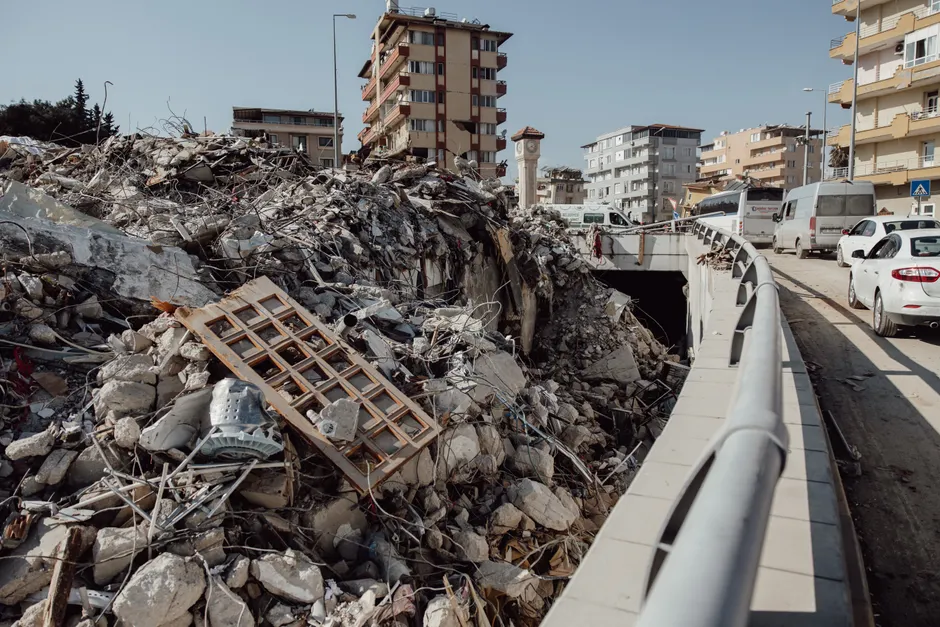
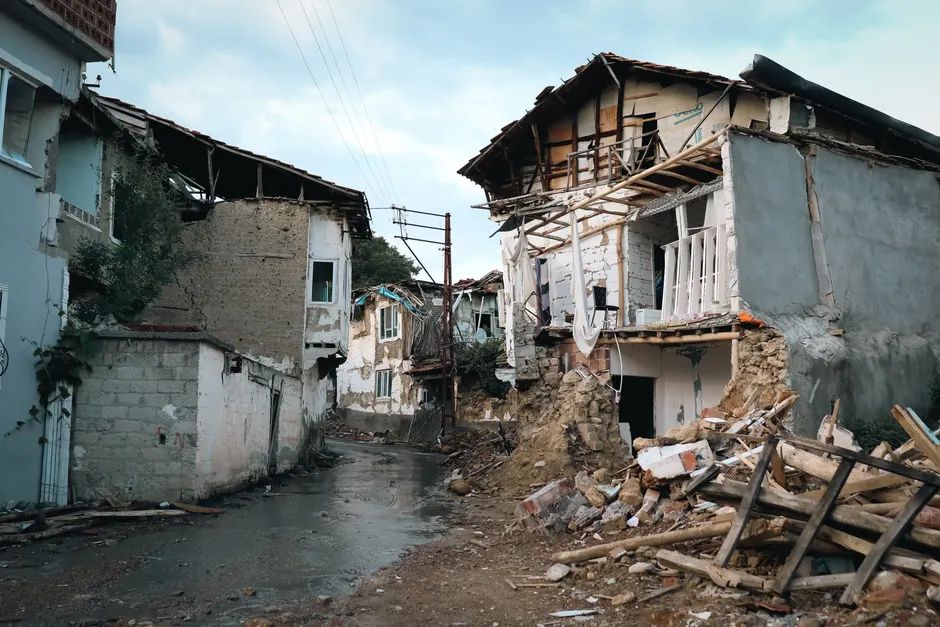
A 7.2 magnitude earthquake struck Venezuela on June 24, 2026, followed just 39 seconds later by a stronger 7.5 magnitude quake. Buildings collapsed across Caracas, the capital city of roughly 3 million people, trapping residents in rubble, according to USGS and Reuters.
The main quake centered 28 kilometers southeast of Yumare, in Yaracuy state — an area sitting along the boundary where the Caribbean and South American tectonic plates meet and collide. This geological setting is why the region experiences earthquakes in the first place.
The 39-second gap between the two quakes matters. The first quake, while powerful enough to damage buildings on its own, left structures weakened and unstable. When the stronger mainshock hit 39 seconds later, many of those already-damaged buildings collapsed completely. In a densely populated city like Caracas, about 180 kilometers away, this one-two punch likely caused more deaths and destruction than either earthquake would have caused alone.
Why Venezuela Is Particularly Vulnerable
Venezuela's buildings are not well-equipped to handle earthquakes. Many homes and structures suffer from years of poor maintenance and deferred repairs. Building codes designed to protect against earthquakes exist, but enforcement has been spotty. Years of economic hardship have left informal housing on hillsides — where many people live — in fragile condition. A strong quake can topple buildings that would survive in places with stricter construction standards.
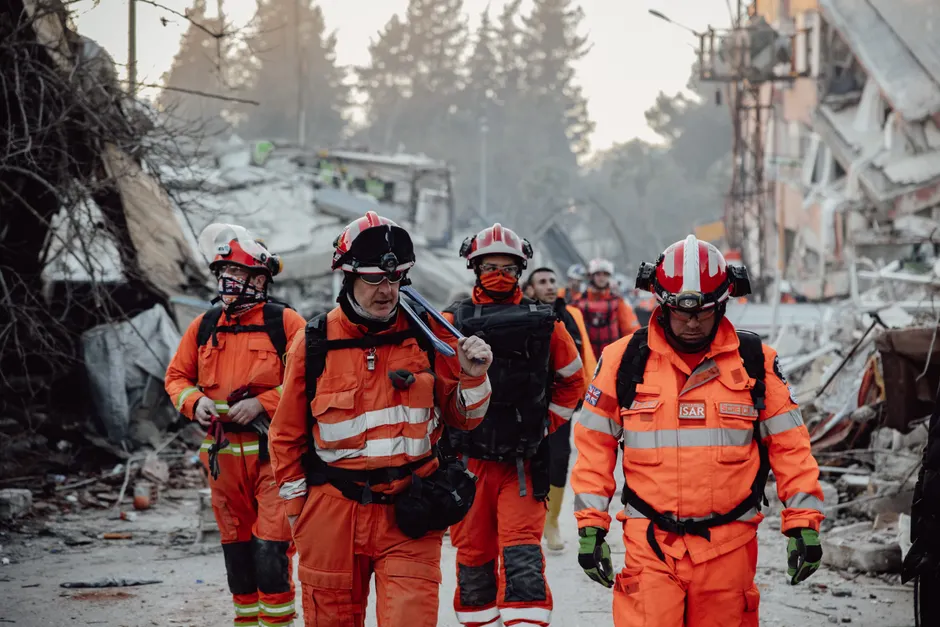
Venezuela also lacks the emergency rescue equipment and trained teams that wealthy countries can deploy immediately after disasters. Urban search-and-rescue teams with heavy machinery, specialized training, and functioning supply chains are not readily available. This means that even as rescue efforts begin, the country's own resources are stretched thin.
The U.S. Offer and Diplomatic Complexity
Within 24 hours of the quakes, the United States announced it was mobilizing disaster assistance. USAID — America's international aid agency — has emergency equipment positioned in the region and can move quickly.
But this offer arrives in an unusual context. The U.S. and Venezuela have had one of the most hostile relationships in the Western Hemisphere for years. The two countries don't even have resident ambassadors in each other's capitals. Sanctions, frozen assets, and competing claims about who leads Venezuela have defined their relationship since 2019. When rival governments offer aid across deep political rifts, it can sometimes open lasting channels of cooperation. More often, though, the gesture fades once the crisis passes.
How Venezuela's government responds will send a message. President Maduro's administration has been careful about accepting Western aid, weighing whether it looks bad politically to accept help from an enemy against the real need for rescue resources. Turning down the U.S. offer would push aid through international organizations like PAHO or the UN instead. Accepting it, even partially, would mark an unusual moment of direct contact between two governments that barely speak.
The 72-Hour Window
The critical clock is the search-and-rescue window. People trapped under rubble can survive about 72 hours without water. After that, survival rates drop sharply. The mainshock happened on June 24, meaning rescuers have until around June 27 to pull survivors from collapsed buildings. In a city the size of Caracas, pulling enough survivors out depends on having heavy equipment and trained rescue teams — resources Venezuela likely doesn't have in sufficient quantities.
Aftershocks compound the challenge. After a 7.5 magnitude earthquake, smaller but still powerful quakes (magnitude 6 or larger) often hit in the first 24 to 72 hours. These can cause already-weakened buildings to collapse further, making rescue operations more dangerous and discouraging survivors from staying in partially damaged buildings rather than rushing out into the open.
What Comes Next
Regional neighbors — Colombia, Trinidad and Tobago, and Brazil — have stronger disaster-response capacity and better relationships with Venezuela. Coordinating aid through regional organizations or direct country-to-country channels might move help into Venezuela faster and more smoothly than working through the complicated U.S.-Venezuela relationship. Whether the U.S. announcement leads to actual on-the-ground operations, or whether help flows mainly through these other channels, remains unclear.
What is certain: Venezuela faces a mass-casualty disaster with limited ability to respond on its own. The political tensions between Venezuela and Western governments add friction to getting international rescue teams in place quickly. The next 48 hours will determine how many people survive and shape how governments interact in the aftermath.