Google's Oct. 1 Suncatcher Test: A First Survival Check for AI in Space

Google is set to launch its first Suncatcher test satellite on October 1, 2026, on a SpaceX Falcon 9 from Vandenberg Space Force Base near Santa Barbara, California. The flight is meant to test Google's idea for a constellation of AI satellites, or a fleet working together, according to Ars Technica.
Google calls Project Suncatcher a research moonshot to scale machine learning in space, as set out in its research post Google. The first hardware step is a prototype satellite to test if its AI hardware can survive harsh conditions in space, according to Google's fact page published Sept. 24, 2026 Google. That spacecraft will have enough computing power to answer simple AI queries from orbit, a job called inference, where a trained model gives answers, The New York Times reported.
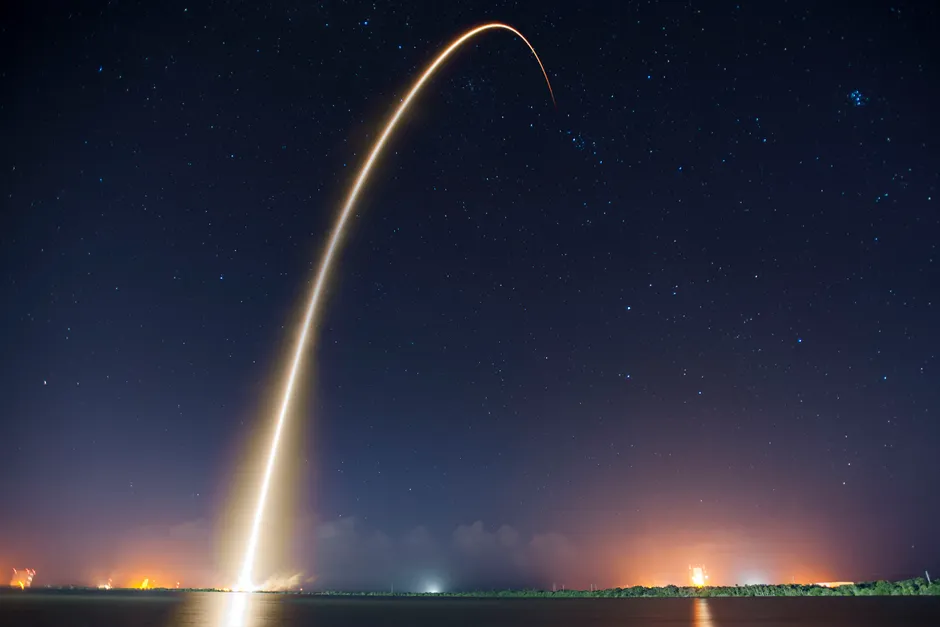
The October flight will use a SpaceX Falcon 9 and lift off from Vandenberg, The New York Times reported. That flight follows reports in May 2026 that Google and SpaceX were in talks to explore data centers in orbit, as reported by Reuters. Those May talks were exploratory. The October launch is a defined test unit with defined pass-fail measures around survival and inference.
On infrastructure, Google Cloud already supports other companies' space work. Space Armour sends AI into orbit with Google Cloud, according to Google Cloud customer materials Google Cloud. Leaf Space's Ground Station as a Service, basically rented ground antennas that talk to satellites, runs on Google Cloud to support low Earth orbit satellites, or satellites circling close to Earth, a setup detailed in 2021 Google Cloud. Those are precedents for ground antennas and moving data. Suncatcher shifts the computing itself into orbit.
The broader context here is staging. For spending decisions, one prototype that must survive and answer queries is an early readiness check. It does not commit money to build the full fleet. It sets the price of the next decision.
To keep what is known apart from what is still guessed, the known list is short. Survival in harsh conditions. Ability to answer simple queries in orbit. Launch on a contracted Falcon 9 from Vandenberg. What is not known is everything that sets cost at fleet scale. How fast units can be built. How often they fail. How often they need replacement. Power limits. Limits on sending data back down.
Looking at what this means for how to read the test, treat it as lowering risk, not as confirmation the business works at scale. A prototype can pass and the fleet idea can still fail on cost, data volume, or daily operations. A prototype can show faults and still leave room for a revised design. Watch the stated tests. Did the hardware survive for the planned time. Did it return correct answers. Did the space-to-ground loop close through Google Cloud infrastructure.
In my view, the SpaceX link matters for execution risk as much as the ride. Falcon 9 gives certainty for this test flight. The May talks about orbital data centers point to a deeper reliance if Suncatcher grows from one test unit to a fleet needing frequent launches, integration work, and possibly repairs in space. For large-scale spending plans, launch slots are capacity. Relying on one provider concentrates schedule risk.
There is also a portfolio logic to note. Ground Station as a Service and AI work in orbit on Google Cloud give Google existing footholds in tracking, tasking satellites, and moving data. Suncatcher would extend that chain from processing on the ground to processing in orbit. The money question is whether answering queries in orbit cuts the cost of sending data back and waiting enough to offset the higher cost of putting computers in space and keeping them there. That math cannot be done from one test flight. It needs failure data, lifetime data, and cost per successful answer over time.