Crew-13 Launches to the Space Station After Fuel Leak Delay
SpaceX launched NASA's Crew-13 toward the International Space Station late Thursday morning, Oct. 1, commanded by Jessica Watkins, after a three-week delay to fix a leaking fuel system in the capsule. The Guardian
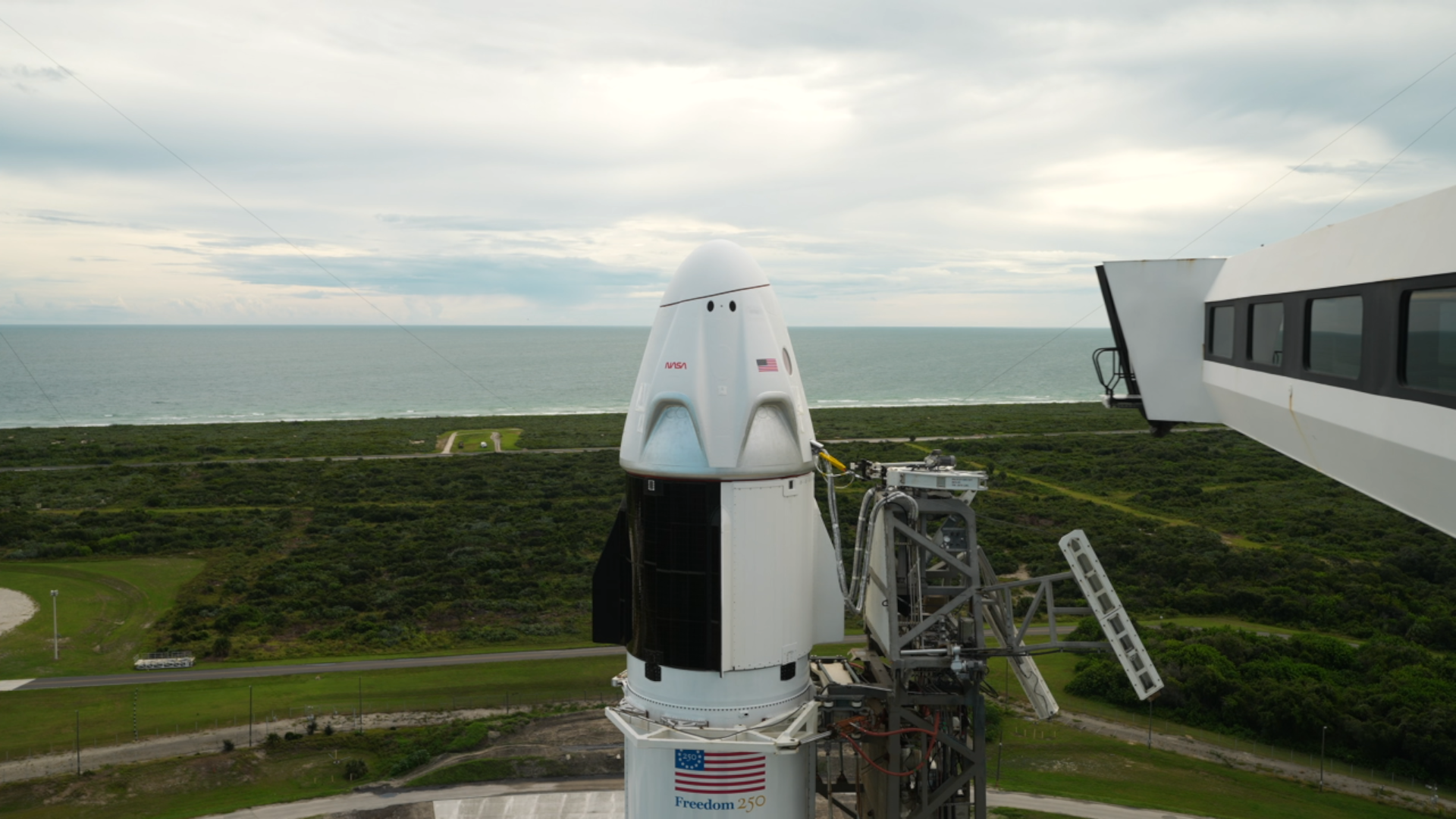
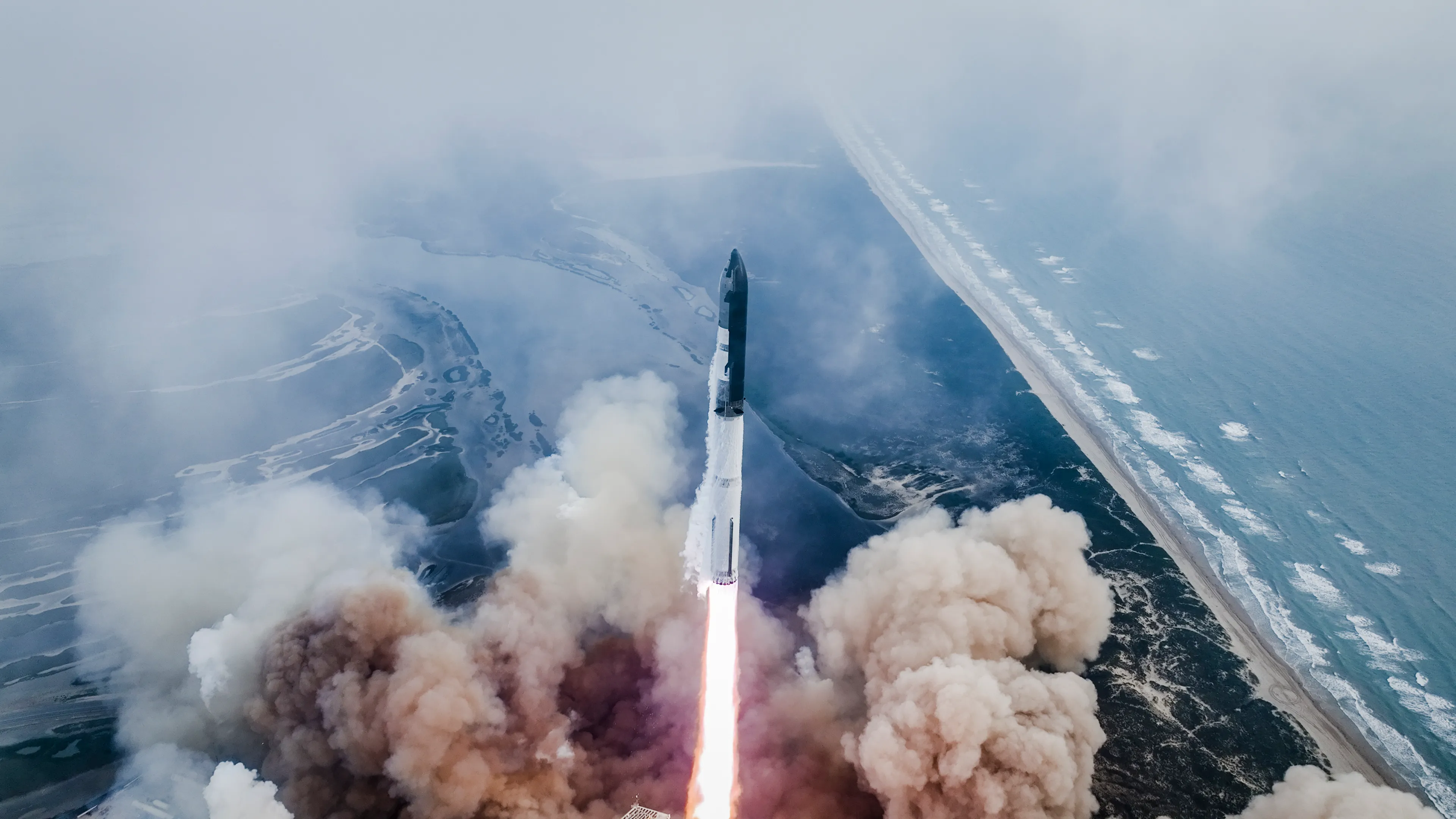
Thick clouds threatened the countdown. Skies cleared enough for a safe liftoff. The Falcon 9 lifted off from Cape Canaveral Space Force Station in Florida. NASA had targeted no earlier than 11:10 a.m. EDT from Space Launch Complex 40. NASA
SpaceX teams closed the hatch on the Dragon spacecraft earlier that morning, Oct. 1, 2026. NASA The Crew Dragon for this flight is named Grace. NASA's live coverage began at 9:20 a.m. on Oct. 1. NASA
The flight plan called for an eight-hour trip to the station. NASA's pre-launch advisory put launch to docking at 7 hours, 50 minutes, which NASA described as set to be the fastest by a U.S. spacecraft in station history. NASA
NASA reported the Falcon 9 reached MECO, or main engine cutoff, when the first-stage engines shut down, and the first and second stages separated. After separation, the second-stage engine was to ignite next. The first stage was to fire a boostback burn, a braking burn to reverse course, to begin its return to Earth for a landing at SpaceX's Landing Zone 40 at Cape Canaveral Space Force Station. NASA Commercial Crew Blog
Watkins became the first Black woman to lead a crew to orbit. She is a geologist who worked with NASA's Mars rover Curiosity and a native of Colorado. She is making her second trip to the station after a lengthy stay in 2022. She first flew aboard NASA's SpaceX Crew-4 mission and spent a total of 170 days in space. NASA
She commands three first-time spaceflyers. NASA astronaut Luke Delaney, a retired Marine, flies with Canadian astronaut Joshua Kutryk, a colonel in the Royal Canadian Air Force, and Russian cosmonaut Sergey Teteryatnikov, a former submariner.
The four will replace four astronauts who have lived on the station since February. The swap works like a shift change, with newcomers taking over station duties. They will stay six months until spring. The mission is the 13th crew launched by SpaceX for NASA, not counting the 2020 test flight. The crew is designated Crew-13, with a mission patch paying homage to Apollo 13.
Kutryk will become the fourth man to become a father while in orbit. His wife Heather is due to give birth to their third child in late November.
The broader context here is station operations, where cadence and crew mix carry more weight than any single milestone. A veteran commander with 170 days in microgravity paired with three rookies is a standard risk balance for crew rotation, and it preserves institutional memory aboard a laboratory that replaces its long-duration crew every six months. The rapid rendezvous, whether logged at eight hours or 7 hours 50 minutes, points to continued refinement of phasing and autonomous docking procedures for Dragon. The manifest, with NASA, Canadian Space Agency and Roscosmos crew members on a U.S. commercial vehicle, keeps intact the mixed-crew model that lets the station keep functioning through hardware delays, weather holds and propulsion issues like the fuel-system leak that slipped this flight by three weeks.