Venezuela's Earthquake Response: How Geopolitical Tensions Shape International Aid

Venezuela's health minister reported approximately 235 dead and 4,300 injured following two earthquakes that struck the country, with rescue teams from the United States and Germany now on the ground in the coastal city of La Guaira, AP News reported on June 26. The back-to-back tremors have triggered one of the most significant international search-and-rescue operations to Venezuela in recent years, a country that has spent much of the past decade isolated from Western emergency networks due to U.S. and EU sanctions and ongoing political conflict with the Maduro government.
The Response on the Ground
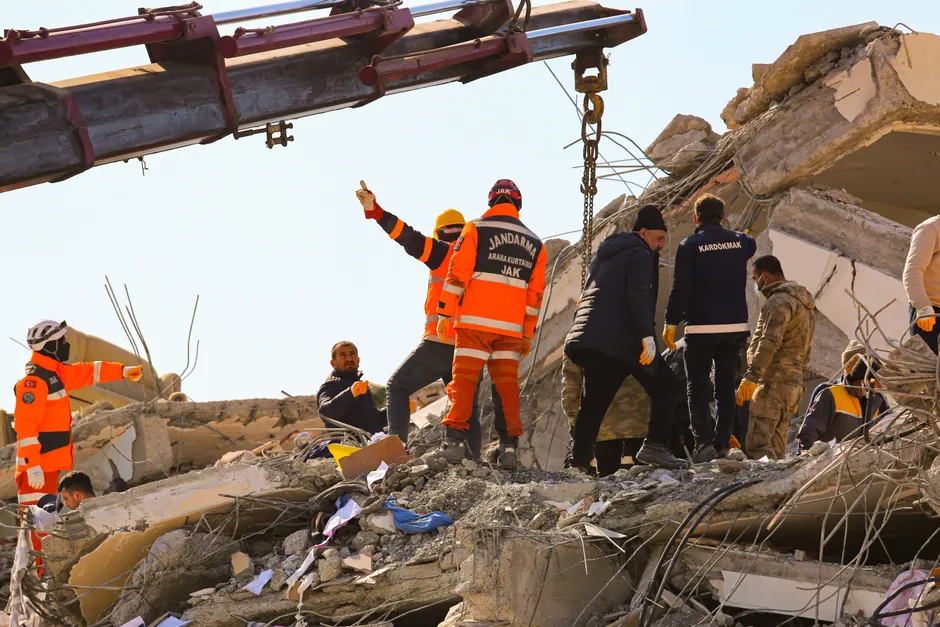
Virginia Task Force 1, a FEMA-accredited urban search-and-rescue (USAR) team from Fairfax County, has been deployed to Venezuela, WJLA reported on June 26. USAR teams specialize in finding and extracting survivors from collapsed buildings—a critical skill when reinforced concrete structures fail in densely populated areas like La Guaira or Caracas. Virginia Task Force 1 has deployed to similar disasters in Haiti, Turkey, and the Bahamas, making it one of the most experienced teams in the U.S. federal system.
Germany has also sent a federal disaster relief team. Berlin's THW (Technisches Hilfswerk) has extensive experience responding to earthquakes worldwide and typically coordinates with the UN Office for the Coordination of Humanitarian Affairs (OCHA) under established international disaster protocols.
The presence of U.S. and European responders in Venezuela carries operational significance. Normal diplomatic channels between Washington and Caracas are severely strained, which means coordination will likely flow through UN humanitarian structures rather than direct talks between governments. This indirect routing introduces procedural delays at a time when speed is critical—the first 48 to 72 hours after a major earthquake are when most survivors trapped in rubble are found alive.
Understanding the Toll
The reported 235 death toll should be treated as an initial estimate, not a final count. In major earthquakes with significant structural collapse, official numbers from the first 48 to 72 hours routinely rise as rescue teams clear debris and reach surrounding areas. The 4,300 injured will place enormous pressure on Venezuelan hospitals, which are already struggling with chronic shortages of medical supplies, staff, and electricity.
La Guaira, which serves as Caracas's main port and gateway, faces inherent geographic vulnerability. The city sits in a narrow strip between the Caribbean Sea and the Avila mountain range—terrain that regional seismic experts have long flagged as at high risk. The city can face not just direct earthquake damage but secondary effects like landslides. The 1999 Vargas disaster, which killed tens of thousands in the same region when extreme rainfall triggered massive landslides, remains the regional reference point for how this terrain can fail catastrophically.
Venezuela's broader humanitarian crisis amplifies the impact of this earthquake. Years of economic collapse have weakened buildings, drained emergency reserves, and driven many doctors and engineers to leave the country. A disaster of this scale would strain any government. It arrives in Venezuela as institutions already stretched to their breaking point absorb another blow.
The Political Dimension
Secretary of State Marco Rubio's public confirmation of U.S. aid carries weight beyond the immediate rescue operation. The U.S. approach to the Maduro government has been hostile—sanctions, refusal to recognize election results, and backing for opposition groups. Historically, humanitarian aid to adversarial states is managed carefully. Governments want to save lives without appearing to normalize relations with a regime they oppose.
Whether this deployment opens quiet diplomatic channels or remains strictly walled off from any political negotiations will become clearer in the coming days. For now, the operational challenges are concrete: getting rescue equipment through customs and into Venezuelan airspace, ensuring hospitals in Caracas can handle the surge of injured, and keeping the mountain road connecting the port to the capital clear of earthquake-triggered rockfall—the main supply route between the two cities.