Why Venezuela's June 2026 Earthquakes Killed So Many
A pair of earthquakes struck Venezuela in late June 2026, killing at least 920 people and injuring thousands more. The UNDP estimates placed total economic losses at approximately $6.7 billion — a significant hit to a country already struggling with fiscal crisis.
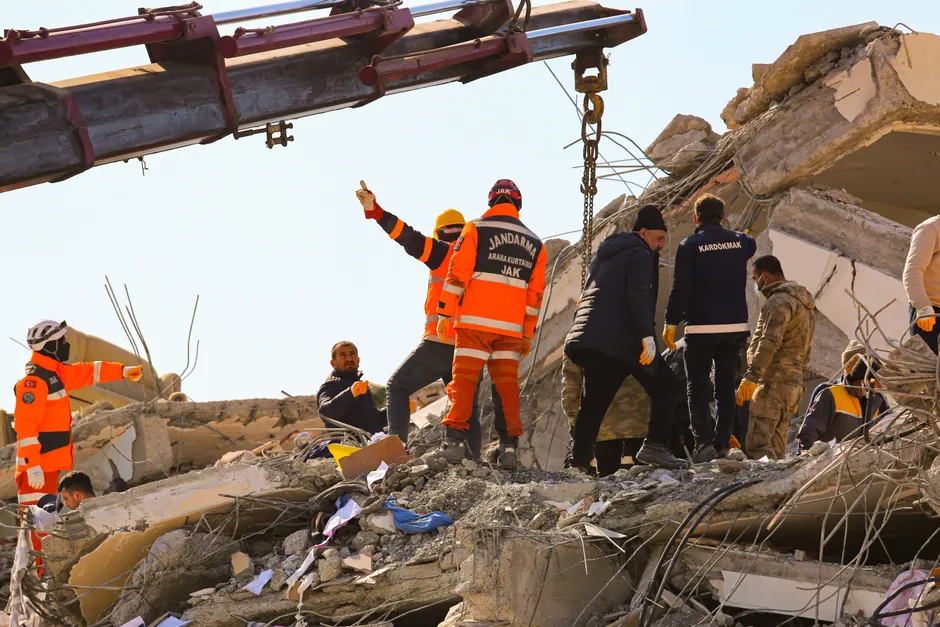
La Guaira, Venezuela's principal port city and the entry point to the capital, suffered the worst damage. Video footage from BBC and CNN showed multi-storey residential buildings collapsing in a "pancake" pattern — where floor plates collapsed sequentially downward. This type of failure is particularly deadly because it crushes the empty spaces where survivors might be trapped and gives rescue teams only minutes to react.
Why This Death Toll Was So High
The scale of the earthquake alone does not explain the casualties. AP reporting from June 26 identified substandard construction and aging buildings as major factors. Venezuela sits on the Caribbean–South American plate boundary, a tectonically active zone where large earthquakes are an expected hazard. Yet decades of neglected infrastructure maintenance, accelerated by the country's economic collapse in the 2010s and the flight of capital that followed, left much of the residential building stock without seismic reinforcements — the kinds of upgrades that are routine in other earthquake-prone regions like Chile, Japan, or California.
The underlying problem runs deep. Venezuela's construction sector contracted sharply after 2014 when oil revenues fell and strict import controls cut off access to steel and cement. Buildings that were constructed often lacked adequate regulatory oversight. Older apartment blocks in coastal cities like La Guaira, many built in the mid-twentieth century, were designed before modern earthquake codes and were never retrofitted. Owners and the state had little incentive to invest in upgrades given strict price controls and currency restrictions that eroded maintenance budgets.
Immediate Response and Broader Challenges
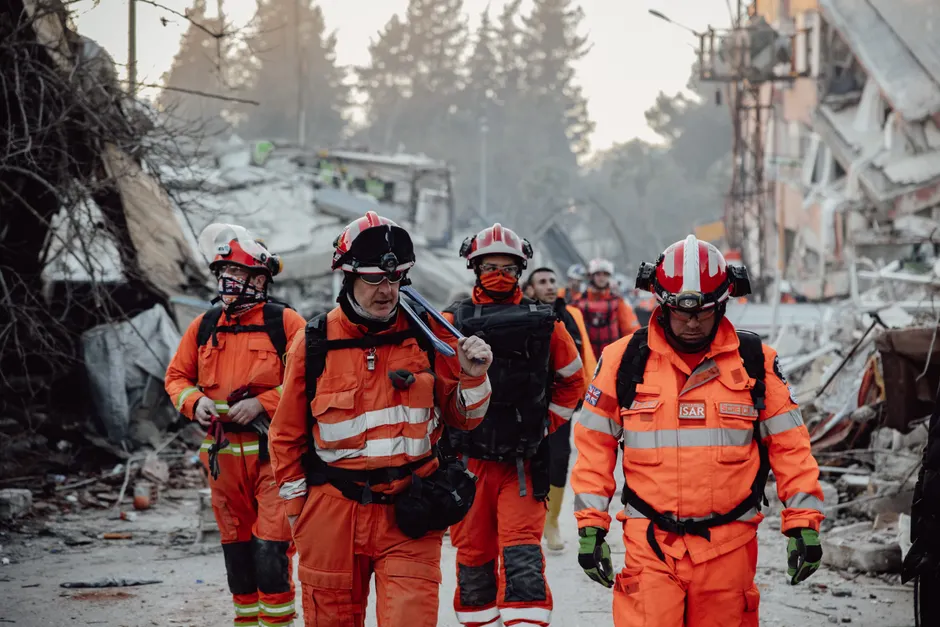
The Venezuelan Armed Forces took the lead in search and rescue operations and debris removal, according to the government. This is the standard approach in Venezuela, where civilian emergency management institutions have deteriorated along with the broader public sector. Whether the military can coordinate a response at the scale this disaster requires is unclear — the logistical capacity available is limited.
The UNDP's $6.7 billion damage estimate, released June 29, provides the most reliable figure available for planning. To place this in perspective: Venezuela's annual GDP has been estimated in recent years at roughly $90–100 billion, though consistent data is difficult to find. A loss event representing six to seven percent of annual output, concentrated in critical port infrastructure and urban housing, will ripple through an economy that already relies heavily on informal distribution networks just to move basic goods. La Guaira handles the vast majority of containerized imports arriving in Caracas; any prolonged disruption to the port compounds supply-chain problems that already existed before the earthquake.
International aid to Venezuela carries political weight. Under President Nicolás Maduro, the government has typically approached foreign assistance with suspicion, sometimes rejecting or redirecting it to maintain control of the narrative around internal crises. Whether the scale of this disaster — and the UNDP's formal role in assessing losses — creates more room for international cooperation than previous disasters allowed is not yet evident from available reporting.
The broader pattern here reflects a familiar lesson across Latin America. Seismic hazards are well-mapped and understood; the real gap is not in engineering knowledge but in governance and financing. What occurred in La Guaira was a predictable result of this gap persisting across multiple administrations. The $6.7 billion figure will shape reconstruction planning discussions — though whether Venezuela can actually secure reconstruction funding remains uncertain given the country's international financial isolation, including ongoing U.S. and EU sanctions on its sovereign debt.
The immediate focus remains on locating survivors and clearing debris, work that will transition to longer-term shelter provision as the window for finding people alive narrows. With confirmed deaths already at 920 and likely to rise as rubble is sorted through, this is already among the deadliest earthquakes in Venezuelan history.