Two Earthquakes in 39 Seconds: What a Rare Doublet in Venezuela Means

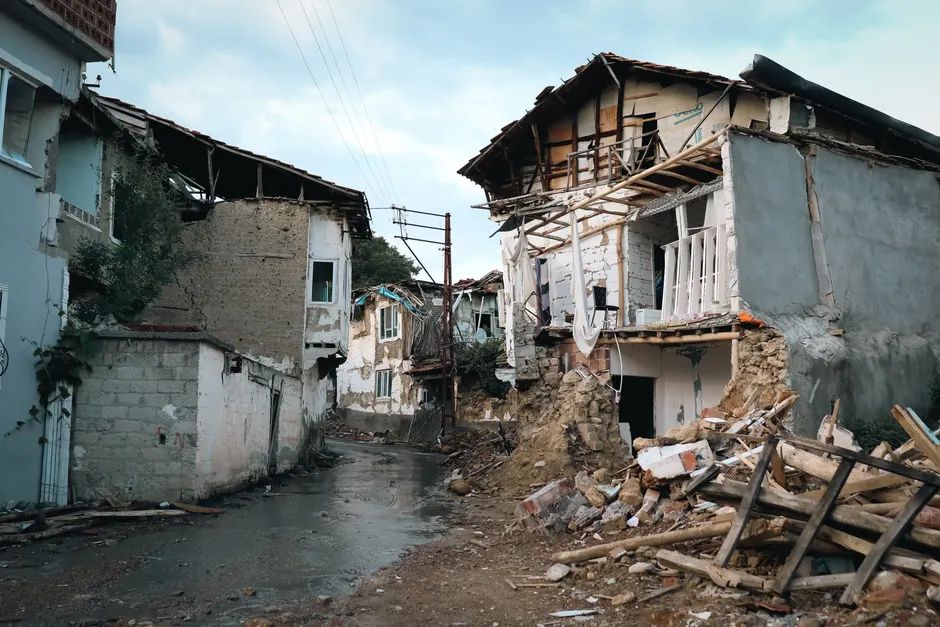
A magnitude 7.5 earthquake struck 28 kilometers southeast of Yumare, Venezuela on June 24, 2026 at 22:05:11 UTC, just 39 seconds after a magnitude 7.2 foreshock. The two events — catalogued by the USGS as a foreshock-mainshock doublet — occurred roughly 160 kilometers west of Caracas, placing the capital well within the zone of strong shaking.
Doublet sequences happen when two earthquakes of similar strength rupture in quick succession on the same fault or adjacent fault segments. What makes this pairing unusual is the 39-second interval. In a doublet, the first rupture can trigger or accelerate failure on a nearby section of fault before the initial seismic waves have finished traveling outward. This short window meant most automatic early-warning systems would not have issued alerts before the larger mainshock arrived.
Why Venezuela Is Seismically Vulnerable
Venezuela sits at the boundary between the South American and Caribbean tectonic plates. This boundary is handled largely through the Boconó fault system and parallel strike-slip and thrust faults running east-west across the northern Andes and coastal ranges. Large earthquakes in 1812 and 1967 both traced this same tectonic zone. The Yumare area occupies the western end of this corridor, where fault geometry is more complex and where past strain accumulation has been less closely monitored.
A magnitude 7.5 earthquake falls into a range where unreinforced brick and older reinforced-concrete buildings — both common outside Caracas — face substantial collapse risk. Venezuela's building stock in most areas, including the Yumare region of Yaracuy state, lacks standardized seismic safety codes. The actual humanitarian toll will depend on focal depth and how the rupture released energy — details the USGS will refine as their analysis continues.
Seismic Forecasting After a Doublet
After a doublet rupture, standard models for predicting aftershocks need to be recalibrated. The USGS Operational Aftershock Forecasting (OAF) system must account for stress transfer from both earthquakes, not just one. This can expand the area where aftershocks become likely and shift where that risk is concentrated. For rescue teams and engineers doing rapid damage surveys, the challenge is real: a building weakened by the first quake may have failed completely in the second, or vice versa, making it harder to decide where to start searching.
The combination of these two events will keep aftershock hazard elevated across the region for days or weeks ahead. Communities near the epicenter face an ongoing seismic threat that makes typical post-earthquake decisions — like where to shelter while waiting for damaged buildings to be assessed — more complicated. The statistical likelihood of another significant aftershock is high rather than remote, and shelter options in a small regional city are often already strained.
Aid, Politics, and Local Capacity
Reuters reported that rescuers, cash, and emergency supplies from international partners began arriving on June 25, 2026. This speed of response carries weight beyond logistics. Venezuela under the Maduro government has had a historically difficult relationship with Western aid channels — the 2019 standoff over U.S. aid convoys at the Colombian border is the clearest precedent. Any rapid acceptance of international assistance would carry political meaning in the country's current climate.
Venezuela's own capacity to respond faces real constraints. Years of hyperinflation, infrastructure decay, and emigration of engineers, medical staff, and other skilled workers have degraded the civilian systems that normally anchor post-earthquake rescue efforts. The government has limited foreign currency and aging heavy equipment, making it more dependent on external support for large-scale search-and-rescue operations than similar countries in the region would typically be.
The immediate questions are stark: what are the actual casualty and damage figures, how far Venezuela will coordinate with international responders, and whether the doublet is complete or if stress from the two ruptures has heightened the odds of further major earthquakes nearby.