Two Massive Earthquakes in Venezuela: What Happened and Why It Matters

Two Massive Earthquakes in Venezuela: What Happened and Why It Matters
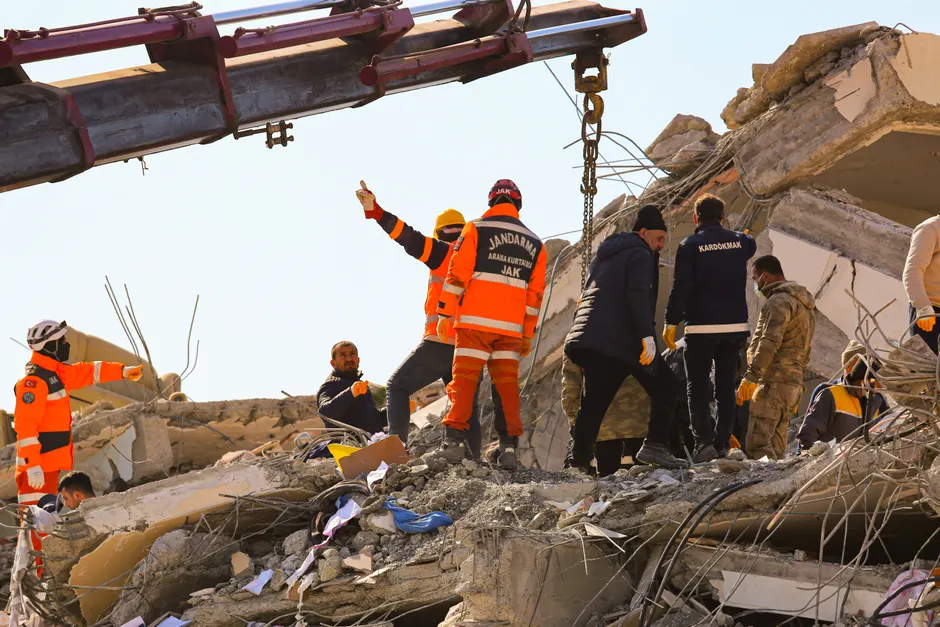
At least 900 people were dead by June 26 after two powerful earthquakes struck northern Venezuela on June 24, 2026. A 7.2 magnitude earthquake hit first, followed about 40 seconds later by an even larger 7.5 magnitude quake. Thousands more remain missing as rescue teams work to pull survivors from collapsed buildings across the region.
Both earthquakes ruptured along the San Sebastian fault on Venezuela's northern coast, according to AP News. The first 7.2 struck near San Felipe in Yaracuy state, and the second larger 7.5 followed in rapid succession. Reuters and the USGS event record both documented the pair of quakes. When a smaller earthquake is followed quickly by a much larger one, scientists call this a foreshock-mainshock pattern, though researchers don't officially confirm this classification until they've studied the aftershocks that follow.
The Fault Line Behind the Disaster
The San Sebastian fault is part of a larger system of faults running roughly east-west along Venezuela's northern coast. These faults form where two tectonic plates — massive pieces of the Earth's crust — are sliding past each other, creating the same type of shaking that caused the 1967 Caracas earthquake, which killed hundreds and heavily damaged the capital. Scientists have known for decades that this fault system poses Venezuela's biggest earthquake risk.
San Felipe lies about 175 kilometers west of Caracas. Earthquakes at 7.2 and 7.5 magnitude are strong enough to collapse buildings across wide areas, especially older structures or buildings not built to withstand earthquakes. Venezuela's economy has contracted sharply over the past decade, which has meant less money for maintaining infrastructure and enforcing building safety codes. When earthquakes strike countries with weaker building standards or older stock, death tolls tend to be much higher.
Counting the Dead and the Rescue Challenge
The death toll of at least 900 reported by Reuters as of June 26 will almost certainly rise. Large earthquake rescue operations routinely continue for days, and the fact that "thousands are reported missing" tells us the confirmed death count is far behind the actual number of people who died. In cities with older buildings or informal housing, many people get trapped under collapsed structures; how quickly rescue teams can dig them out depends on the equipment available and how many trained personnel are on the ground.
Venezuela's emergency management system has been stretched thin for years. Getting international help into Venezuela has been politically complicated under the Maduro government, which matters because trained rescue teams from outside the country — if invited — need time to arrive and coordinate with local responders.
What Happens Now
The immediate task is clear: find survivors in the rubble, treat the injured, and assess damage to roads, bridges, and ports that the relief effort depends on. La Guaira, Venezuela's main Caribbean port and the entry point for supplies to Caracas, sits right on the fault line. If that port is badly damaged, it will slow down humanitarian aid reaching people.
Earthquakes this large create aftershocks — smaller quakes that can continue for weeks. Some of these aftershocks can themselves be quite strong (magnitude 6 or higher). Buildings that were already cracked or weakened by the first quakes are at risk of falling in an aftershock, which endangers both survivors waiting for rescue and the rescue teams themselves.
The longer view depends on political decisions ahead. Venezuela's government has historically been cautious about accepting outside aid, and the country is already dealing with severe economic hardship. Whether Caracas opens its doors to international rescue teams from the United Nations and neighboring countries, or tries to handle the crisis mostly on its own, will affect both how many people survive and what diplomatic relationships look like afterward.
From a scientific standpoint, the San Sebastian fault system isn't done. Major earthquakes shift stress along nearby fault segments, sometimes increasing the likelihood of future quakes nearby. Seismologists will spend the coming days calculating where that new risk lies. For a country now managing a major humanitarian crisis, that's not just academic — it shapes where rescue efforts should focus and what dangers lie ahead.