Two Major Earthquakes Strike Venezuela: What Happened and Why the Damage Was So Severe
Two Major Earthquakes Strike Venezuela: What Happened and Why the Damage Was So Severe
On June 24, 2026, two powerful earthquakes hit northwestern Venezuela in quick succession, trapping people under collapsed buildings across Caracas and surrounding areas. The first quake registered magnitude 7.2 at 6:04 p.m. Venezuela Time. Less than a minute later, a second earthquake measuring magnitude 7.5 struck nearly the same location in San Felipe, Yaracuy state — about 160 kilometers west of Caracas — according to Reuters.
This rapid-fire sequence is unusual. The first earthquake weakened buildings across the region. Normally, structures might have time to settle before another major shock. Instead, the larger second quake arrived before any recovery could happen, causing far more damage than either earthquake alone might have produced.
Why Venezuela Was Hit So Hard
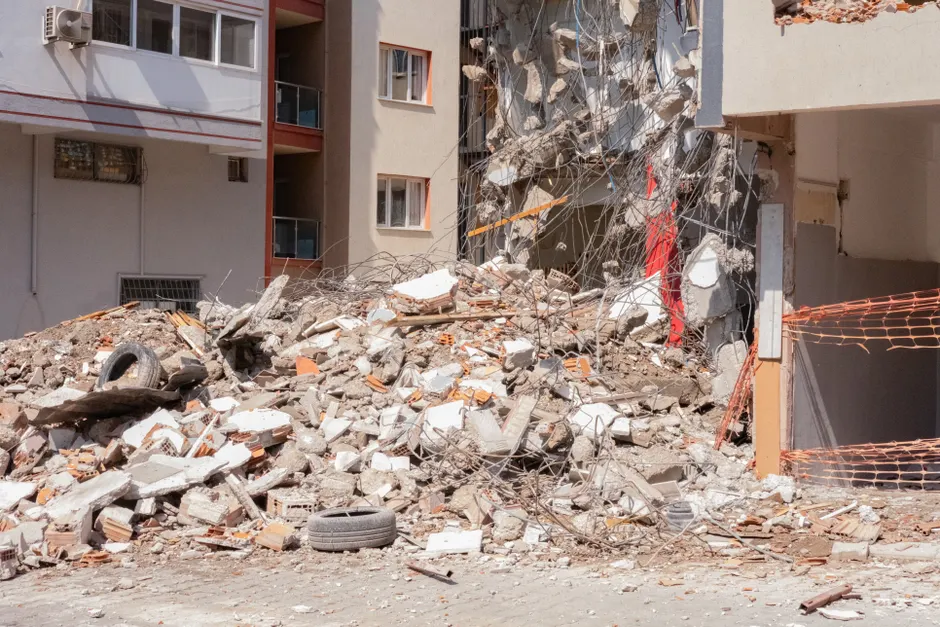
Venezuela's building stock made the damage much worse than it might have been elsewhere. Many structures are old, and building standards have been poor for years, AP News reports. This vulnerability did not emerge overnight. Decades of economic decline, severe inflation, and shrinking government budgets have weakened building inspections and allowed maintenance to be skipped across Venezuelan cities. Caracas sits in an earthquake-prone region — fault lines run along Venezuela's northern coast and have caused damaging earthquakes in the past — but the systems meant to protect buildings from seismic damage have deteriorated along with the broader economy.
The type of earthquake also matters. These were strike-slip earthquakes, meaning the ground shook as two tectonic plates ground horizontally past one another, like two blocks of wood sliding against each other. This motion tends to cause intense shaking close to the epicenter and usually ruptures at shallower depths, which concentrates damage in a smaller area. San Felipe lies on fault structures that mark the boundary between the South American and Caribbean tectonic plates — a zone that scientists have long known can produce major earthquakes. The June 24 sequence fell within what experts expected this region could produce, even if the back-to-back timing made it more destructive.
The scale of building collapse in and around Caracas — Venezuela's largest city, home to several million people — suggests a significant death toll, though casualty figures had not yet been fully confirmed through official channels as of early reporting.
What Comes Next
Caracas faces an enormous challenge in responding to this disaster. Venezuela's emergency services and hospitals have been weakened by years of economic crisis and were already running below capacity. Adding a mass-casualty event to an overstretched system will test its limits. How quickly international aid can arrive will depend partly on whether the Venezuelan government formally opens humanitarian corridors or requests help through established United Nations channels. That decision will shape how fast outside search-and-rescue teams can reach Caracas.
The location of the epicenter — close to the country's largest city — combined with the back-to-back nature of two magnitude-7+ earthquakes makes this one of the most serious seismic events to strike a South American city in recent decades. Search-and-rescue teams operate under a hard constraint: survivors trapped in rubble have roughly 72 hours before the odds of finding them alive drop sharply. Response planners understood from the first hours that this window was closing fast.


