Ocado's Board Begins Formal CEO Succession Search—What That Means

Ocado's board has confirmed it is conducting long-term CEO succession planning and engaging with potential candidates. This is the first formal, public acknowledgment that founder Tim Steiner's leadership is under review.
Steiner has led Ocado since its founding, making him one of the longest-serving executives among FTSE-listed technology and retail companies. When a board moves succession planning from private discussion into public disclosure, it typically signals that the timeline is short enough to warrant controlled transparency—or that shareholder and market pressure has made secrecy impractical. Retail Gazette reported on 25 June 2026 that succession talks have intensified amid a share price decline, suggesting external pressure is driving the board's decision to go public.
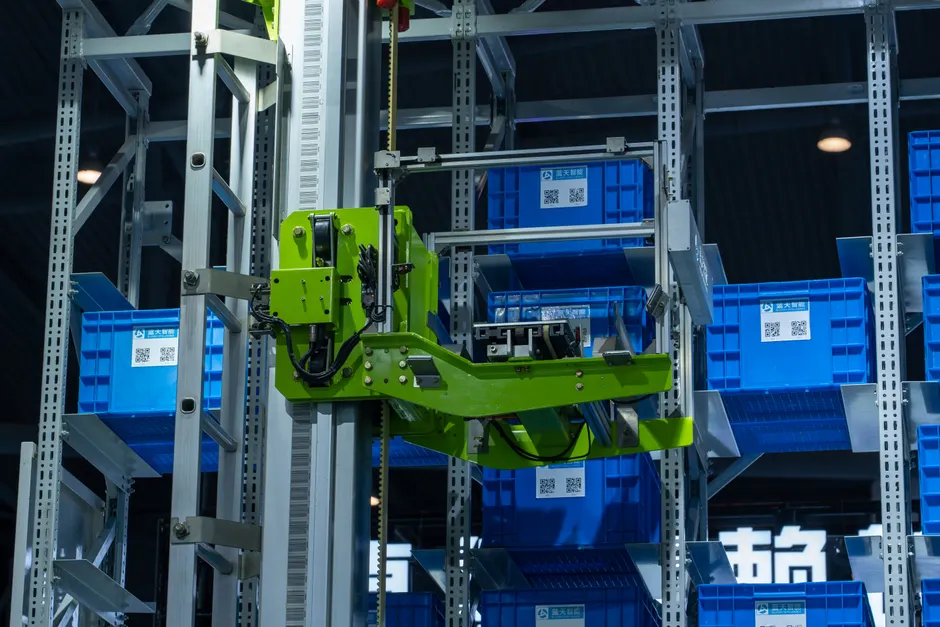
Ocado occupies a distinctive position in the logistics technology landscape. It operates simultaneously as a UK online grocer and as a technology licensor—it sells its automated warehouse system, the Ocado Smart Platform (OSP), to third-party retailers worldwide under long-term contracts. This dual structure complicates how investors value the company. The technology licensing side is valued on future growth prospects; the retail grocery side on near-term margins and sales volume. Steiner has led both businesses, and the strategic balance between them has depended heavily on his consistent leadership.
For institutional investors, the succession question extends beyond simple management turnover. It concerns whether the current strategic direction—technology-licensing focus, with retail as a secondary concern—will remain intact under new leadership, or whether an incoming CEO might shift toward faster, more immediate returns. Partners with long-term OSP agreements will be alert to any signal that product development or commercial priorities might change.
When boards engage in structured succession planning, they typically work with an executive search firm to identify internal candidates, benchmark external options, and test criteria. This phase does not imply imminent appointment; in complex cases, it can take twelve to eighteen months. What it does signal is movement beyond preliminary governance and into active process.
There is a particular tension in founder-CEO transitions. Once a succession process becomes public, the incumbent's authority to commit the company to long-term strategic decisions can weaken before a successor is named. This creates gaps in decision-making that ripple across capital allocation, hiring, and product strategy. How Ocado's board manages this interval—and how explicitly it endorses Steiner's mandate during the transition—will determine whether the process is orderly or destabilizing.
Share price performance shapes these dynamics. Prolonged underperformance tends to shorten succession timelines, reduce board patience, and make external candidates more likely. External hires typically signal strategic departure; internal promotions typically signal continuity. Which path the Ocado board leans toward will emerge as candidate engagement unfolds.
For now, the publicly available facts are narrow. A board that has disclosed succession planning has acknowledged that the current leadership structure has a defined endpoint. The open question is when that endpoint arrives, and what strategic direction lies beyond it.