Why Ocado's Founder Is Stepping Down—and What It Means for the Company
Why Ocado's Founder Is Stepping Down—and What It Means for the Company
Tim Steiner will step down as CEO of Ocado at the end of 2027, ending a run that began when he co-founded the company in 2000, the Guardian reports. Steiner, 56, built Ocado from an online grocery service into a technology licensing business—one that now sells automated warehouse systems to supermarkets and retailers around the world.
The company has mapped out an orderly transition. Ocado hopes to name Steiner's successor before he formally leaves in December 2027. Sky News reported that the board has already approached Niklas Heuveldop, who runs Vonage (the cloud-communications division of Ericsson), about the job. Ocado confirmed it is running a succession process but stopped short of naming any candidates. After stepping down as CEO, Steiner will stay on through 2029 in a "founder role," advising the board on strategy and market expertise.
Behind the boardroom scenes, there was tension. Earlier reports suggested that Ocado's chair Adam Warby and board member Jörn Rausing wanted Steiner to leave sooner, particularly after the company's share price declined. But long-term shareholders pushed back, defending Steiner's leadership. The public announcement—with its language about the board being "grateful for Tim's continued leadership"—is the typical formula companies use when internal conflicts are resolved and put to rest.
Steiner owns 2.35% of Ocado, a stake worth millions at current prices. This cuts both ways: it means his financial interests align with how well the company performs, which can inspire confidence in his long-term thinking. But it also means any clash between him and the board becomes visible to investors watching the stock price.
The board itself has been reshuffled. Gavin Patterson and Cathy Graham joined as independent directors in 2024 and 2025 respectively, per regulatory filings. Rick Haythornthwaite chose not to run for re-election in April 2025. The result is a board with relatively new faces overseeing one of the UK's most significant technology leadership transitions.
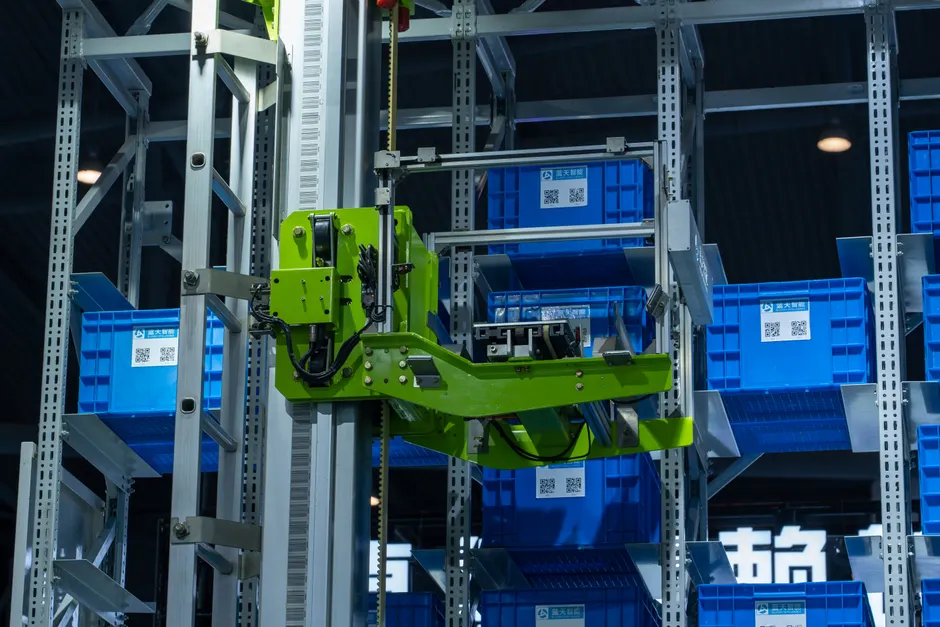
Here's what matters about the timing. Eighteen months until December 2027 is enough time to run a serious global search for talent, but short enough to keep the pressure on. Ocado no longer runs its own supermarkets in the UK; instead, it licenses its Smart Platform—its warehouse technology—to grocery chains in North America, Europe, and Asia. The next CEO needs to be skilled at selling complex, expensive infrastructure deals to corporate executives across continents. That is a fundamentally different job from what Steiner has done as a founder-operator.
The board may hire a technology sales executive from the corporate world, a grocer with experience managing big capital projects, or someone who blends both. The next 18 months will reveal which profile the board values most.
Founders who stay on as advisors sometimes offer genuine continuity and wisdom; they can also make it harder for a new CEO to establish full authority. Ocado's structure—a defined end date in 2029, a board-advisory role rather than day-to-day operational control—gives the successor enough space to lead, assuming everyone respects those boundaries.
The succession is now public knowledge. The pressure that creates is real. Investors will watch each quarterly earnings report through December 2027 partly as a test of whether the board read the moment correctly and chose the right time to make this change.


