Venezuela's Earthquake Disaster Triggers Rare International Rescue Mobilization
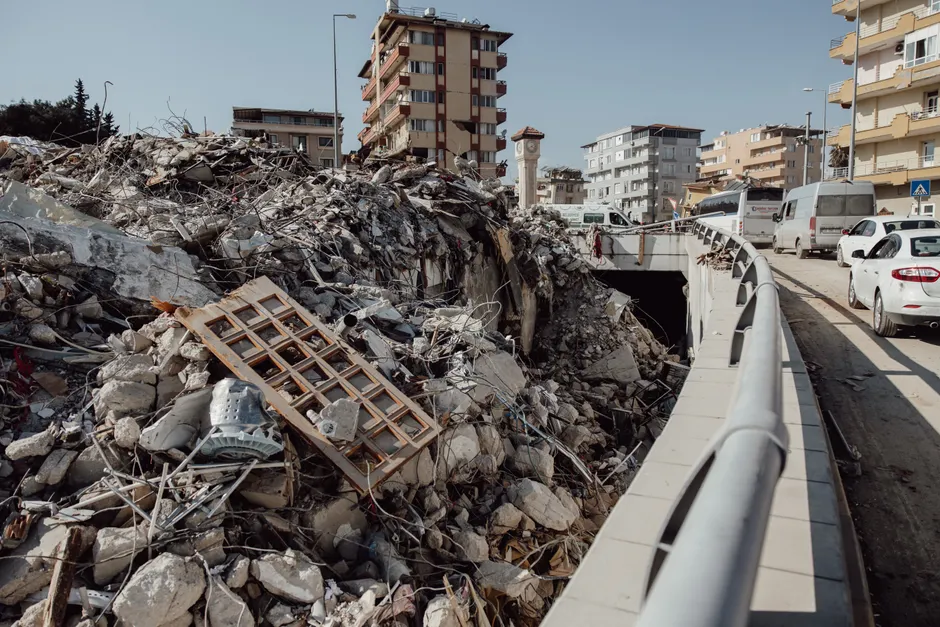
Twin earthquakes devastated Venezuela and prompted one of the country's largest multinational rescue operations in recent years. By Saturday, June 28, Venezuelan officials reported that 17 flights had delivered more than 1,600 rescue personnel — a deployment rate that reflects both the disaster's scale and Caracas's unusual willingness to accept outside help.
The European Union responded swiftly on the humanitarian front. According to the EU's relief arm, Brussels sent firefighters, search-and-rescue dog units, medical teams, and support staff through the EU Civil Protection Mechanism — a system that coordinates member states' emergency resources for rapid international deployment.
The Rescue Window
As of June 28, search teams continued working through collapsed buildings with thousands reported missing. Twin earthquakes compound structural damage differently than a single event does, and Venezuela's already-strained infrastructure made external USAR capacity — urban search and rescue specialists — operationally essential within hours of the first tremor. Time is a critical factor: survival rates in collapsed-structure scenarios drop sharply after 72 hours, a window that was already closing as international teams arrived.
Geopolitics and Pragmatism
The geopolitical dimension matters here, though not in the way headline writers might expect. Venezuela under Nicolás Maduro has taken an adversarial stance toward the EU and the United States for years, with Brussels imposing sanctions over democratic backsliding and human rights concerns. That Caracas accepted EU-flagged rescue teams signals pragmatism, not a diplomatic shift — disaster response has historically created space that political tensions do not usually block entirely. For Maduro's government, accepting international rescue capacity also serves a domestic political interest: projecting competent crisis management to the Venezuelan public.
Coordinating EU civil protection assets with teams from other nations inside Venezuelan territory will test operational frameworks that this bilateral relationship has not extensively exercised before.
Geography and Vulnerability
Venezuela sits atop one of northern South America's most seismically active zones, where the Caribbean and South American tectonic plates meet along a system of roughly east-west faults running through the country's northern corridor. Major cities — including Caracas — lie near these fault lines. Infrastructure vulnerability is intensified by years of economic contraction and chronic underinvestment in building standards enforcement, factors that consistently amplify casualty figures when earthquakes of comparable magnitude strike wealthier nations with better-maintained infrastructure.
The Multinational Effort
The 1,600-plus rescue personnel across 17 flights represent a genuinely multinational undertaking. The precise national breakdown was not confirmed in available reporting as of this writing, but the EU deployment alone — typically composite teams from multiple member states under unified command — accounts for a substantial portion. Speed matters enormously in USAR operations: the 72-hour survival threshold was already tightening as international teams began arriving.
What Comes Next
The full scope of casualties and infrastructure damage will emerge over the coming days as access improves and assessments become systematic. What is already evident is that the scale of international response presupposes a disaster of serious magnitude — governments and multilateral bodies do not activate these mechanisms for minor events. The mobilization phase is what we see now; the verified casualty count and structural damage will determine whether this ranks as one of Venezuela's most consequential natural disasters on record.


