Surabaya Shop Blast: Why Police Suspect a Gas Leak

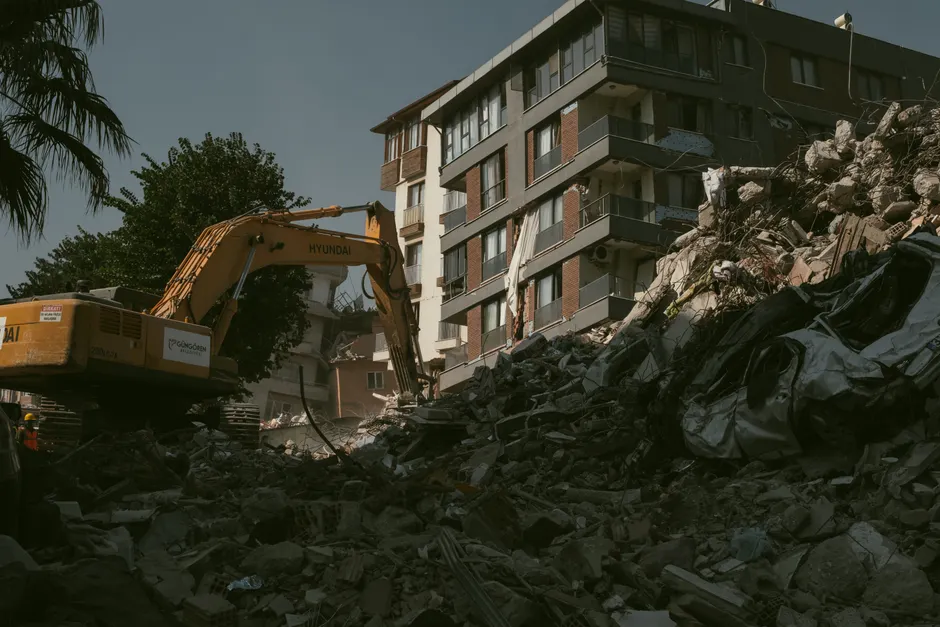
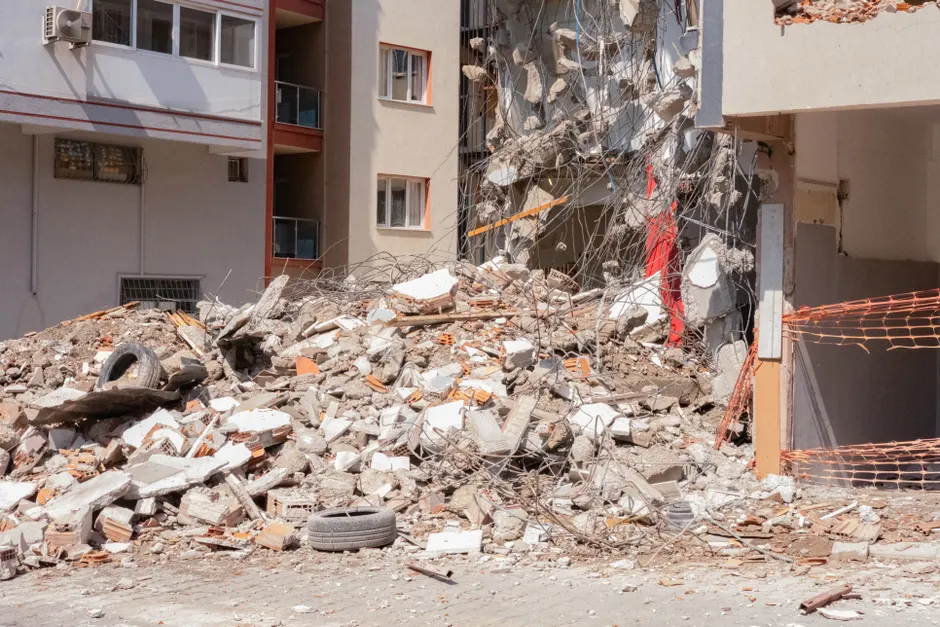
An explosion destroyed a sneaker shop in the San Antonio area of Surabaya, Indonesia, putting five people in hospital and damaging at least 41 buildings. CCTV footage captured the moment the shop was destroyed, in video reported on 6 October 2026 BBC.
Police said the blast was strongly suspected to have been caused by a gas leak. No suspicious substances or explosives were found at the site BBC. The number hospitalised stands at five. The damage count covers at least 41 buildings affected by the blast.
The broader context here is how investigators separate an accident from an attack at an early stage. Police combined a provisional idea, a gas leak, with a clear negative finding on explosives. That points the technical work toward gas supply, how gas can collect in a closed shop space, and what might have set it off, rather than toward building and planting a bomb. Suspicion is not confirmation, and the wording leaves room for change as forensic checks continue.
Looking at what this means for crowded shopping streets, the balance of harm and damage needs explanation. Five hospitalisations next to damage to at least 41 buildings suggests blast energy travelled well beyond the shop, while serious injury was more limited than the structural footprint. Think of pressure like water from a burst pipe in a narrow alley. In tightly packed storefronts, shared walls, glass fronts, and gaps for pipes and wiring can carry force sideways. Construction type, interior divisions, window strength, utility routes and how many people were present all shape the result.
In my view, ruling out explosives matters for the response even while the gas idea is still unproven. It affects how police set cordons, what they tell the public and where they send resources. A suspected attack means looking for further threats and opening a criminal case. A suspected gas accident means shutting off gas and power, testing the air, checking buildings for stability and preparing for fire. Forensic effort can then focus on pipes, appliances, ventilation paths and possible ignition sources.
A word of caution here is that early numbers after blasts often shift. Hospital counts reflect first triage choices, or sorting by urgency, not final diagnoses or length of stay. A figure described as at least sets a floor, and it often rises as teams move from visible outside damage to hidden structural harm, loose fixtures and damaged utilities. CCTV fixes the time of the blast. It cannot by itself show the cause.
For emergency managers weighing next steps, the next questions are practical and important. How fast were gas and power cut off across the block. How was access controlled while secondary dangers were checked. How were dozens of properties with different levels of exposure graded for safety. Once authorities release those answers, they will show whether repairs stay limited to individual properties or lead to wider checks of similar shops.