France's School Protests: Why Students Blocked Schools and Marched
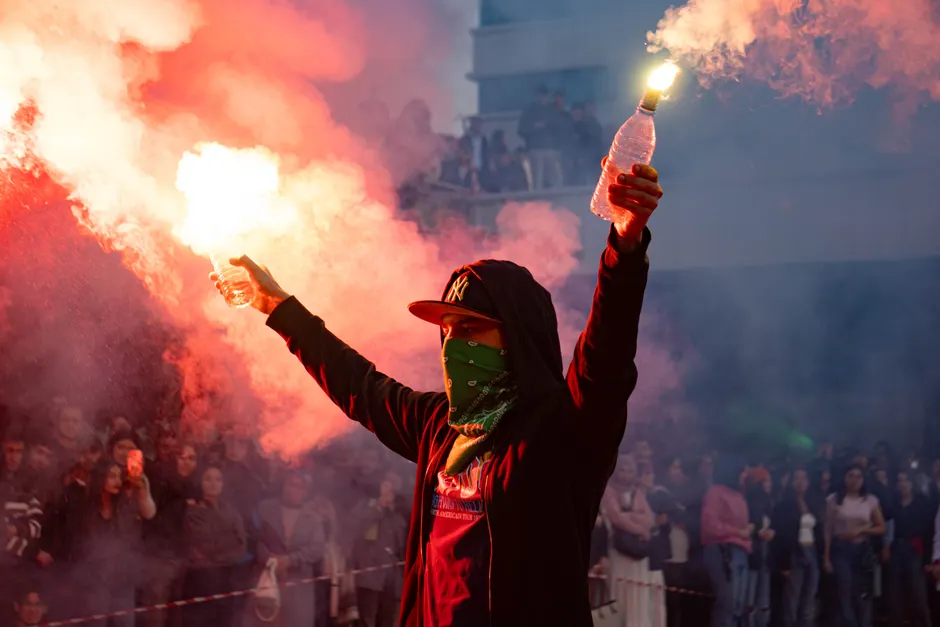
Police fired tear gas at protesters outside French high schools on Tuesday, October 6, 2026, as a student-led movement held another day of blockades and street demonstrations. Reuters
People gathered in Paris, Lille, Lyon, Marseille, Toulouse and other cities for Tuesday's rallies. Washington Post Demonstrators clashed with riot police as education protests mounted. Al Jazeera
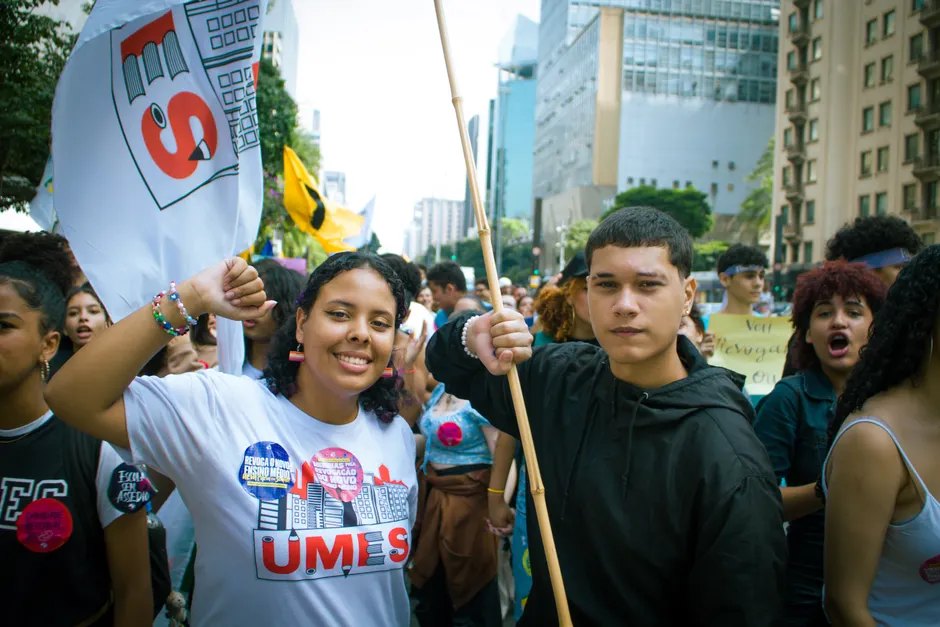
The French Interior Ministry, which oversees national police, estimated 250,000 people joined the student protests, according to live reporting. France24 In Paris, labor unions rallied in support of students protesting school conditions. The unions had called for teachers to strike amid the high school protests. Reuters
The New York Times published a video report titled 'What We Saw at the French Protests'. Ségolène Le Stradic reported from Paris for The New York Times on the protests. New York Times
The high school movement has escalated since late September 2026. New York Times Students are protesting teacher shortages, buildings in poor repair and overcrowded classrooms. A blockade, a common tactic in France, means students physically block entrances to shut a school for the day. France24
On October 1, anti-riot police faced protesting students outside Le Corbusier secondary school in Aubervilliers, northern Paris. France24 Student protesters started fires in at least two high schools in France. Reuters
On October 2, riot police clashed with high school students across France. About 400 French schools were closed that day amid the protests. Reuters
On October 5, some 400 to 500 of France's 3,700 high schools were set to stay shut. A teenager's hand was blown off, reportedly by a police dispersal grenade, a weapon used to scatter crowds. Reuters Thousands of people have been arrested since the start of the protests. Reuters
The broader context here is convergence. A dispute that started with staffing levels and building conditions has drawn in organized labor and set a repeating pattern. Local blockades led to calls for teacher strikes, then solidarity rallies in major cities, then a nationwide protest day. Each step widens the group involved and raises pressure on school administrators, union organizers and Interior Ministry planners.
Looking ahead to the next few days, two things matter to watch: coordination and control. The student movement has shown it can sustain blockades across hundreds of schools and mobilize jointly with unions in multiple cities. The policing response, including tear gas outside schools and the reported grenade injury, will shape legal scrutiny and tactical choices on all sides. Whether closures hold steady, fall or rise after October 6 will give the clearest near-term sign of leverage.