Venezuela's Earthquake Toll: Initial Figures Hide the Scale of Missing Persons

Two earthquakes struck Venezuela on June 24–25, 2026, with magnitudes 7.5 and 7.2. By June 28, confirmed deaths had reached 1,430, with an estimated 51,000 people reported missing and over 3,150 injured. La Guaira, a coastal port city, suffered the heaviest damage.
The death toll climbed swiftly as rescue operations expanded. Venezuelan lawmaker Jorge Rodríguez reported 188 confirmed deaths on June 25, per Reuters. By June 26 the figure had risen to 920, and by June 28 to 1,430, according to Al Jazeera. The enormous gap between confirmed deaths and missing persons — roughly 35 to 1 — suggests that recovery teams have yet to reach the most severely damaged areas.
A Coastal Community in Ruins
La Guaira sits on Venezuela's Caribbean coast, wedged between steep hills and the sea. That geography offers little protection when seismic forces strike. The city's buildings span decades of construction standards, from older structures to newer ones, and that mix compounds the damage when earthquakes hit.
The disaster claimed lives across La Guaira's population, including among two players from Club Sport Marítimo de La Guaira, a local football club in Venezuela's second division. Their stories illustrate how the earthquakes' impact extends beyond statistics.
Two Players, Two Families Lost
Héctor Bello, a defender originally from Cumaná, was away when the earthquakes hit. His wife, Andrea Bello, died on June 24–25 while shielding their one-year-old daughter from falling debris. The child survived. Bello announced his wife's death publicly on June 26, per BBC News.
Lucas Trejo, a 38-year-old Argentine center back who had just joined Marítimo de La Guaira for the 2026 season, was at a team training camp in Caracas when the earthquakes struck. He immediately rushed back to La Guaira, where his wife and two children were at home. None of them survived. Trejo had moved his family to Venezuela for the football season, placing them in the city that would endure the strongest shaking, according to The Guardian.
Trajo's absence during the disaster — he was away because of training obligations — carries weight. It will shape how he comes to terms with what happened, and how his teammates and the broader Argentine football community respond to his loss.
The Missing Persons Figure and What It Signals
The scale of the 51,000 missing persons demands closer examination. That figure is more than 35 times larger than the confirmed death toll, a gap that does not align with typical earthquake patterns in comparable nations. Some of those missing will turn out to be simply unreachable or temporarily displaced — unable to contact family or authorities. But La Guaira's destruction, combined with what rescue operations have seen elsewhere, suggests a significant number remain buried under collapsed buildings or are displaced without any way to communicate their location.
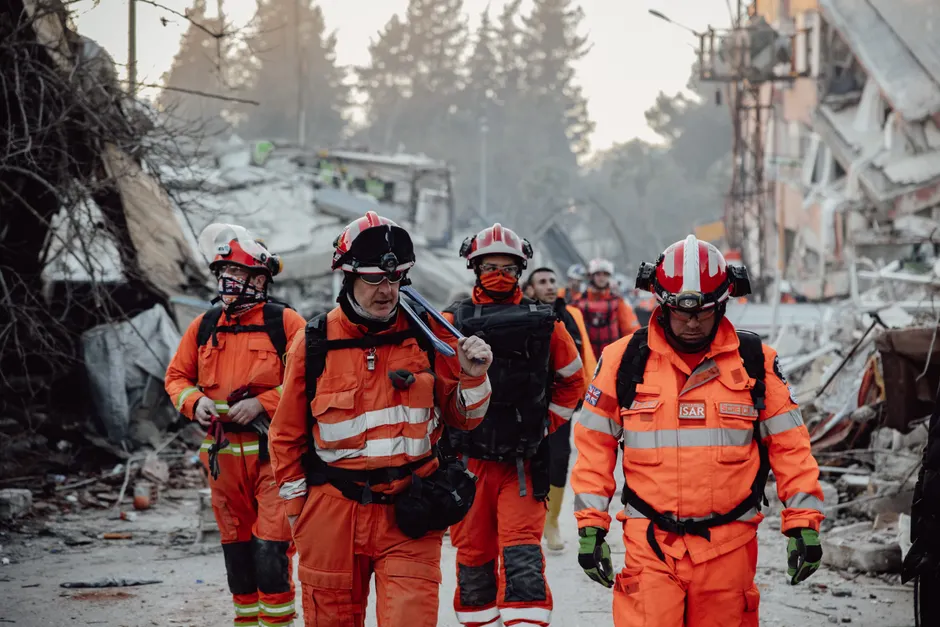
Search-and-rescue teams have a narrow window in reinforced-concrete collapses — typically 72 to 96 hours — before the chances of finding survivors drop sharply. With the first earthquake now five days in the past, that window has largely closed for most sites. The confirmed death count will almost certainly rise as recovery crews gain access to areas still unreachable, but the pace of increase will slow considerably.
Disaster Response in a Fragile State
Venezuela's infrastructure was under strain long before the earthquakes. The country has endured more than a decade of economic contraction and international sanctions. Public services — hospitals, emergency response systems, roads connecting coastal cities to inland areas — have deteriorated significantly. A mass-casualty disaster puts stress on systems already operating far below their intended capacity.
International aid and whether the Maduro government accepts it — and on what terms — will shape how quickly Venezuela can recover. The country's complicated relationships with Western governments and multilateral organizations have historically slowed disaster coordination, introducing delays precisely when speed is critical. Those diplomatic and institutional frictions could compound the humanitarian toll.
The final death toll will depend less on the geological forces that struck than on Venezuela's capacity to mount a rescue and recovery effort. That capacity, in turn, hinges on choices about international cooperation that extend well beyond the disaster itself.