World Bank Puts Venezuela Earthquake Damage at $19.6 Billion

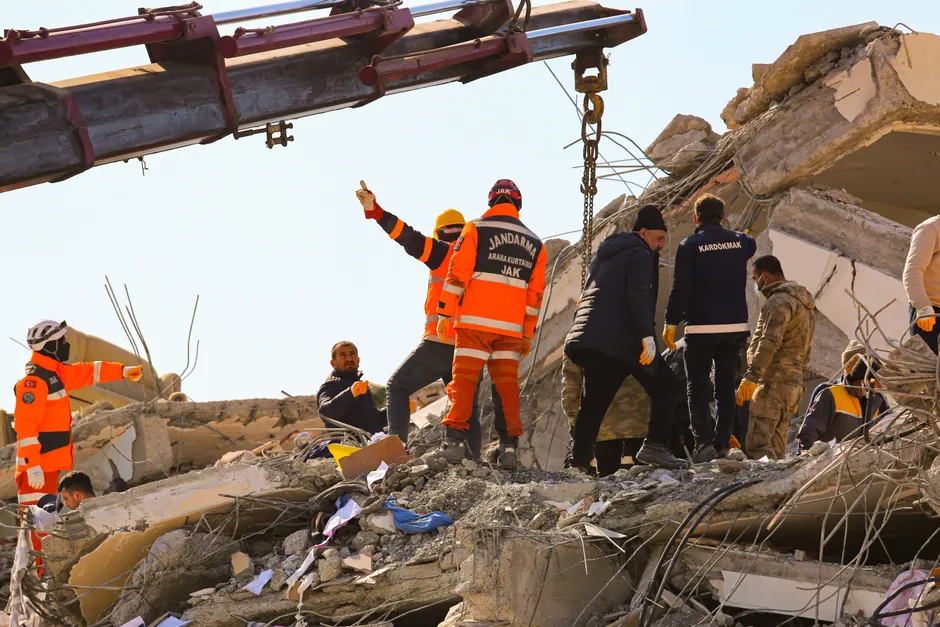
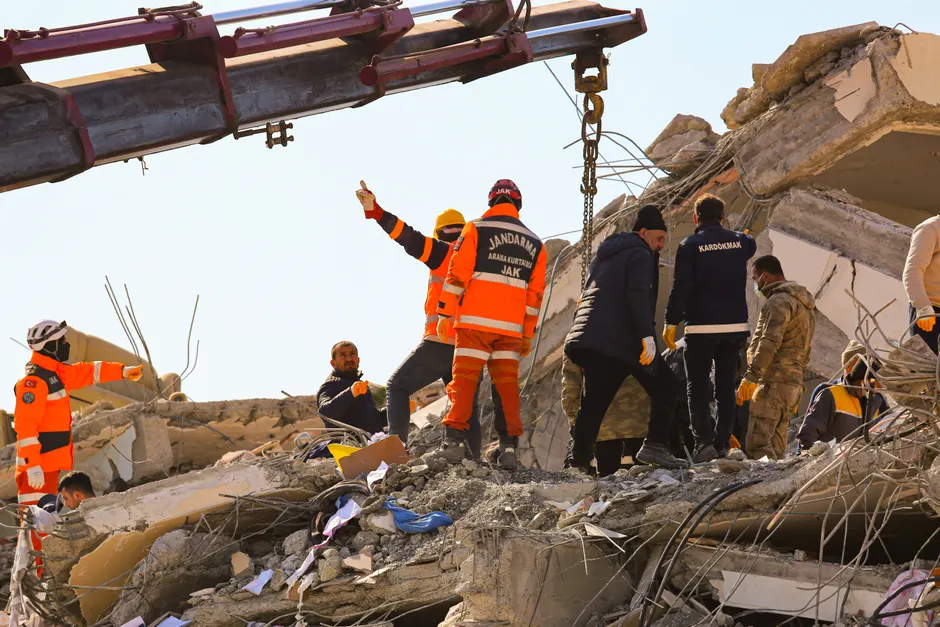
The World Bank estimates that the two earthquakes that hit Venezuela on June 24, 2026 caused $19.6 billion in physical damage, according to a statement issued on July 23, 2026 and reported by Al Jazeera. The twin tremors, measuring magnitude 7.2 and 7.5, devastated communities across 11 provinces, with La Guaira state and Distrito Capital identified as the most severely impacted areas.
The damage breakdown reveals the human dimension of the disaster. According to the World Bank report, 47% of the damage occurred to residential buildings, 27% to infrastructure (roads, utilities, public services), and 26% to non-residential buildings. Reuters reported that the earthquakes collapsed hundreds of buildings and killed more than 1,700 people as of June 29, 2026 Reuters. The concentration of damage on residential structures points to the severity of the humanitarian toll, particularly in the densely populated corridor between La Guaira and the capital.
The World Bank conducted its assessment using the Global Rapid Damage Estimation (GRADE) methodology. The GRADE estimate relied on local seismic data, remote-based earthquake modelling, satellite imagery, and damage reports from government and humanitarian groups. Think of GRADE as a way to piece together a damage picture from multiple independent sources — ground sensors, satellites, and field reports — before full on-the-ground surveys can be completed. This multi-source approach combines geophysical modelling with corroborating satellite and on-the-ground reporting to produce a comprehensive figure.
Susana Cordeiro Guerra, World Bank vice president for Latin America and the Caribbean, issued a statement accompanying the damage estimate. The report itself, available through the World Bank's documents and reports portal, documented widespread damage across the 11 affected provinces World Bank. The World Bank Group had been in contact with Venezuelan authorities since June 25, 2026, when Reuters first reported that the institution was engaging with the government as thousands were feared dead Reuters.
The nearly month-long gap between the earthquakes and the publication of the GRADE estimate reflects the complexity of synthesizing different data streams into a single damage figure. GRADE assessments typically integrate seismic intensity maps with exposure databases — catalogs that record building stocks, construction types, and infrastructure assets in a given area. The methodology's reliance on satellite imagery is particularly relevant in contexts where access constraints may limit physical damage surveys, a consideration that may be salient given Venezuela's political and economic conditions.
The broader context here is what the $19.6 billion figure means for reconstruction. With nearly half of the damage concentrated in residential buildings, the rebuilding timeline will depend heavily on housing replacement capacity, construction material supply chains, and the availability of financing. The infrastructure damage, at 27%, points to disruption of roads, utilities, and public services that will compound recovery challenges in the affected provinces.
The World Bank's engagement with Venezuelan authorities, now formalized through this damage assessment, establishes an institutional framework through which international reconstruction financing could eventually flow. Whether that translates into concrete funding commitments will depend on negotiations between the World Bank, Venezuelan authorities, and potential bilateral donors — a process that the damage estimate now technically anchors but does not itself resolve.