Belgium Student Protests: Over 100 Detained in Liege Over Fee Hikes

Police in Belgium detained more than 100 people after student protests over rising education costs in Liege.
Belga news agency, citing Liege police, put the Liege total at 80 detentions and 27 formal arrests. The figures were reported on October 7, 2026. Local media reported 107 arrests in recent days in connection with the protests, a total consistent with the Liege breakdown. Al Jazeera
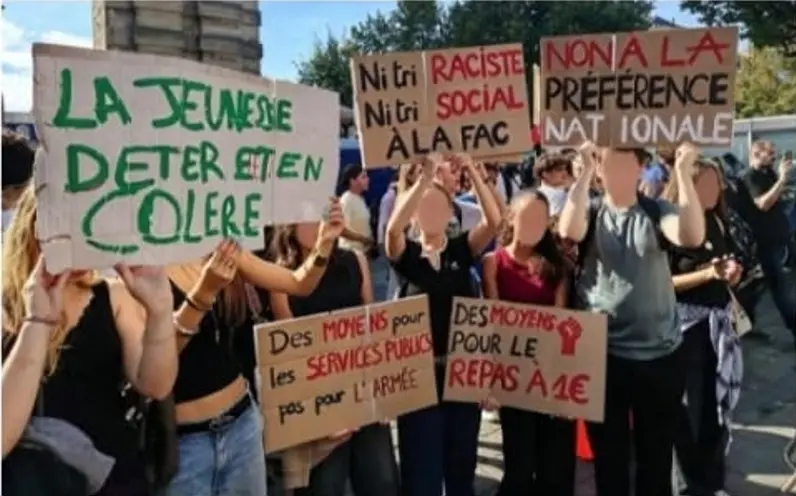
Students rallied in Liege on Tuesday and Wednesday against overcrowded classrooms and difficulty accessing resources in Belgium's French-language education system. The October 7 action opposed education reforms introduced by the Wallonia-Brussels Federation government and an increase in student fees. Tuition fees for students in French-speaking areas increased from 835 euros ($930) to 1,194 euros ($1,340).
Liege police said some protesters damaged property and set fires. Police reported 31 administrative arrests, meaning temporary holds to restore order, and two judicial arrests, meaning cases referred to prosecutors, in Liege during the October demonstrations. RTBF
The Liege detentions were part of a wider mobilization. On October 6, the mobilization reached its fourth day, with blocked schools in Wallonia and Brussels. A demonstration in Charleroi led to 48 administrative arrests and one judicial arrest. Demonstrations also led to multiple arrests in Mons. Two police officers were injured during demonstrations in the Liege region. Six people were arrested during a spontaneous student movement in Liege on October 1, with calm restored from 13:00.
High school and university students in French-speaking Belgium demonstrated to support teachers and denounce rising fees. Education in Belgium is managed independently by the country's linguistic communities with no single national curriculum, which places responsibility for French-language schools with the Wallonia-Brussels Federation. Think of it like parallel school systems divided by language.
The October protests followed sporadic violent demonstrations over the summer in Brussels against the tuition increase in French-speaking areas. Clashes broke out between protesters and police in Brussels on June 4 during a demonstration against planned reforms to part of the education system. Riot police charged protesters and used tear gas in central Brussels after those clashes. Student protests against education reforms continued across Belgium with 16 arrests reported on October 5. Reuters
Liege Mayor Willy Demeyer told RTBF that dialogue can be established over student grievances. The October protests were described as echoing protests in France.
The broader context here is institutional as much as fiscal. Because schooling is organized by language community, a fee decision in francophone education does not apply nationally but concentrates political pressure on one government, the Wallonia-Brussels Federation, while policing falls to municipal forces in Liege, Charleroi, Mons and Brussels. That fragmentation helps explain why similar grievances produce different local outcomes, from school blockades to street confrontations, and why arrest categories diverge between administrative and judicial measures.
Looking at what this means for the days ahead, two variables will shape the trajectory. The first is whether student coordination holds across secondary and university levels and across Wallonia and Brussels, sustaining blockades beyond the fourth day. The second is whether municipal authorities and the Federation open a negotiation channel of the kind Demeyer suggested, or rely on public-order responses after property damage and injuries to officers. The parallel with France bears watching, not as a direct cause but as a reference point that can influence tactics and expectations on both sides.