Britain Plans Major Defence Spending Boost: Why Drones Are the Focus

The UK government has committed an additional £15 billion to defence spending, with a significant portion earmarked for drones and autonomous systems. Defence Secretary John Healey announced the plan on 29 June 2026, alongside a joint appearance by Prime Minister Keir Starmer and NATO Secretary General Mark Rutte at 10 Downing Street.
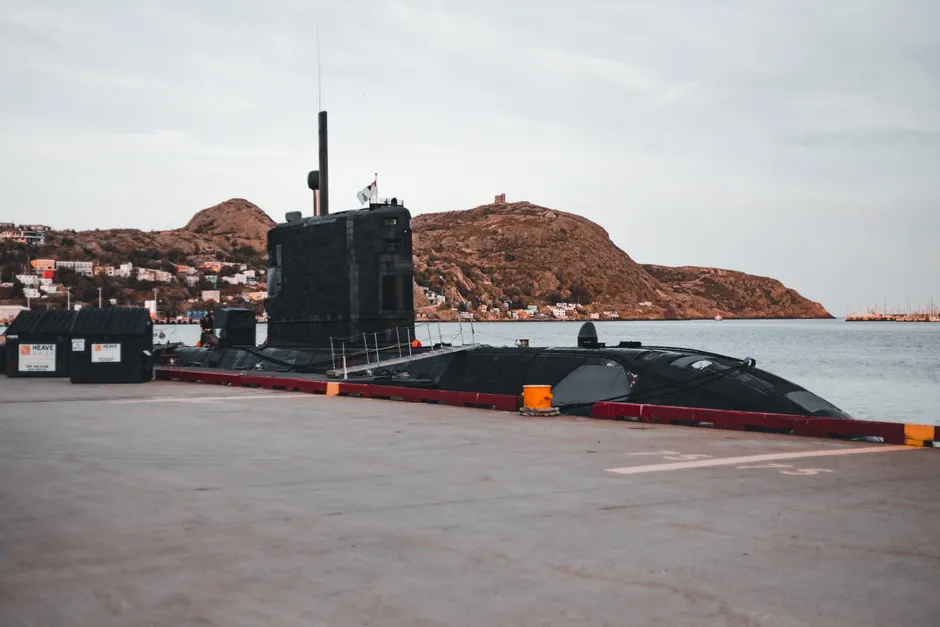
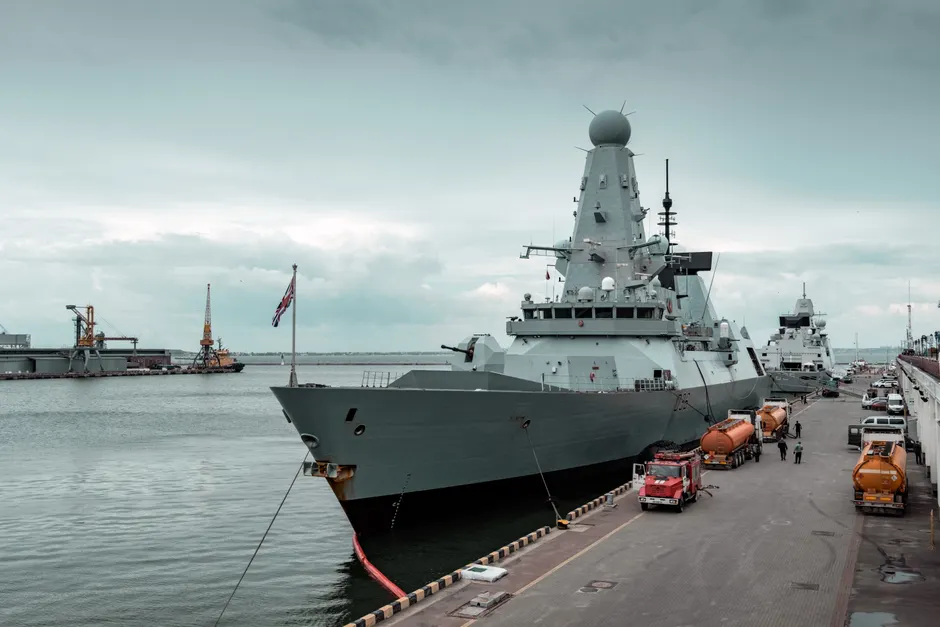
The investment includes money for modern naval vessels equipped to work with drones—a shift that signals the Royal Navy intends to operate crewed and uncrewed ships together, rather than treating drones as mere add-ons. BBC News reported this naval vessel investment as the centrepiece of the broader plan released that day.
Three days before the announcement, the Financial Times revealed the spending would extend across the full range of autonomous systems—not just maritime drones, but uncrewed and AI-enabled capabilities across land and air. NATO members have been pushing allies to develop these systems since Russia's full-scale invasion of Ukraine showed how traditional weapons can be used up faster than they can be replaced.
The NATO Pressure Point
Healey's announcement arrives as NATO is actively pressing member states to spend more on defence. BBC reporting from 11 days prior noted concern within NATO about the UK's defence spending plans—unusual criticism, given that Britain has historically been one of the few NATO members that consistently spend at least 2% of its GDP on defence.
The conversation inside NATO has shifted. It is no longer whether countries meet the 2% target, but whether 2% is enough given the threat from Russia. NATO Secretary General Mark Rutte has publicly urged members to move toward 3.5% of GDP combined for defence and defence-related infrastructure.
Rutte's presence at the Downing Street announcement was deliberate. NATO is carefully managing its public messaging ahead of its June 2026 summit. By standing alongside Healey and Starmer, both sides send a message to the alliance: NATO is holding together, and one of its largest contributors is expanding what it can do, rather than simply announcing higher spending numbers.
Why the Drone Push Matters
The emphasis on autonomous systems reflects lessons that military planners across NATO have drawn since 2022. Uncrewed surface vessels (essentially, small robotic ships) and aerial drones reduce the risk to crews operating in contested areas near enemy coastlines. They can gather intelligence and surveillance data continuously, and—crucially—they cost far less per unit than conventional warships or fighter jets. When one drone is lost, a military can build a replacement much more cheaply than it can replace a full-size frigate.
Ukraine's use of maritime drones against Russian warships in the Black Sea illustrated this advantage. Small, inexpensive uncrewed systems inflicted serious damage on a far larger military, at a fraction of the cost.
For the Royal Navy, integrating drones into the fleet addresses a practical problem: the navy does not have enough ships to be present everywhere it needs to be at once—in the North Atlantic, the Indo-Pacific region, and the Red Sea, simultaneously. Uncrewed surface vessels cannot fully replace traditional frigates, but they extend the Navy's presence without the high cost of running, maintaining, and crewing large manned ships.
The broader autonomous systems spending—across ground, air, and cyber-related uncrewed systems—also positions Britain to develop its own drone supply chains. This became a priority after military partners discovered they depended too heavily on outside suppliers, like Turkey's Bayraktar and American Switchblade drones, during shortages in Ukraine.
The broader context here is industrial strategy as much as military capability. Britain wants to build a sovereign capacity to produce drones and autonomous systems at scale, rather than relying on other countries when supplies run short.
What Happens Now
The £15 billion figure is a commitment in principle, not yet a series of signed contracts. When governments announce big spending plans, those funds often get reshaped, delayed, or reprioritized as the actual procurement process unfolds over months and years. Healey's department will face pressure to show that the autonomous systems allocation results in real agreements with British companies and suppliers.
Rutte's public presence at the announcement sets an expectation. If the UK's military capability development does not match the ambition stated on 29 June, NATO partners who witnessed the original promise will notice the gap.
The naval vessel procurement will likely be the most closely watched piece in the near term. Building modern drone-equipped ships requires more than just designing the hull. The Navy needs to develop the sensor systems, communications networks, and training to allow crews and autonomous systems to work together effectively. These capabilities take years to build and test, not months.