Britain's £120 Billion Defence Gamble: What the 4.2% Spending Plan Actually Buys
On 30 June 2026, the UK Prime Minister announced the Defence Investment Plan, committing the country to defence expenditure at 4.2% of GDP — a target that would place the UK among NATO's highest defence spenders. The plan spans naval shipbuilding, directed energy weapons, drone and autonomous systems, and a major research facility. It represents one of the broadest defence announcements in decades.
The Hardware Commitments
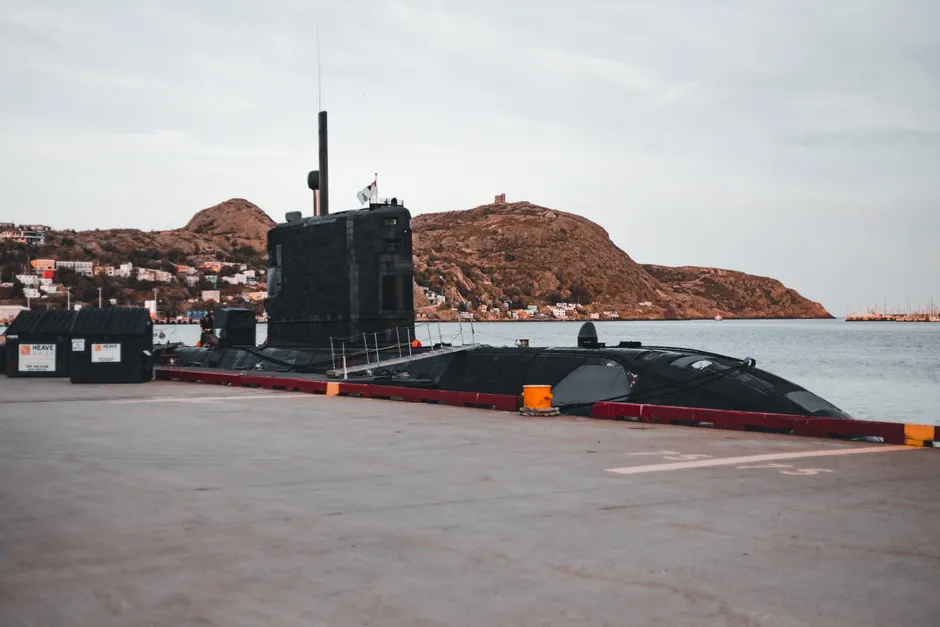
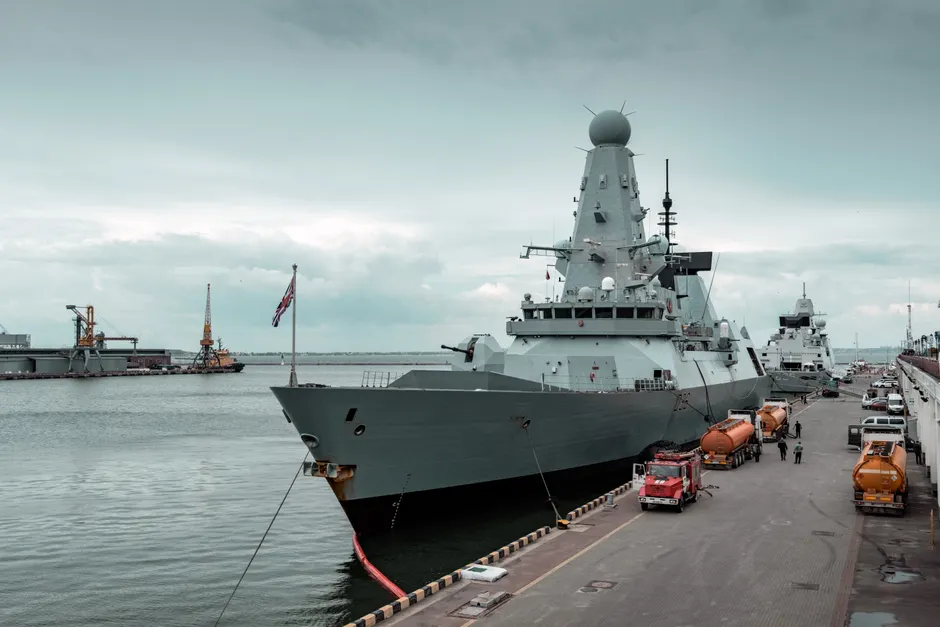
The Royal Navy receives the most tangible gains. The plan includes at least six new warships equipped with advanced maritime air defence systems, plus upgrades to Sea Viper, the long-range surface-to-air missile carried by Type 45 destroyers. Sea Viper has faced criticism in defence circles for struggling in scenarios where multiple missiles arrive at once — a real vulnerability analysts have documented for years. Formally committing to upgrades signals the Navy has accepted this gap and is moving to close it.
Directed Energy Weapons (DEW) — essentially high-powered lasers and microwave systems — receive a named budget line. Several Western militaries have already moved these from the laboratory toward actual deployment. The economics are straightforward: a laser intercept costs a fraction of a conventional missile, which matters when adversaries are using drone and missile swarms as their primary tactic. The UK's commitment aligns with similar programmes in the US and Israel.
Drone and autonomous systems represent the largest single allocation disclosed. More than £5 billion funds what the government calls a "drone transformation" programme — uncrewed systems across air, land, and sea, plus AI-enabled autonomous technology. This reflects a consensus across NATO that the next generation of warfare will rely on mass, persistence, and autonomous operation — lessons learned directly from the war in Ukraine.
On research, £580 million in infrastructure funding will build a new laboratory at an undisclosed location described as secretive, likely Porton Down or Dstl Porton, though the government has not confirmed this. Such facilities take years to deliver results, but the decision to place it in a classified site rather than a university cluster suggests the focus is classified military research rather than open science.
The Execution Problem
The headline spending figures obscure a structural weakness the government has sidestepped. A BBC analysis published on 16 June 2026 found that UK defence spending now delivers poorer returns than it did in the 1980s — despite the UK maintaining comparable force levels on smaller spending as a share of GDP back then. This means the bottleneck is not just how much Britain spends but how efficiently it spends: the cost of bureaucracy, outdated contracting systems, and inefficiencies in how projects are managed.
The real test of the Defence Investment Plan comes later. When 4.2% GDP flows through a procurement system that underperforms, you do not automatically fix the underlying problem. The plan's actual value will show up in timelines, unit costs, and whether capabilities are delivered on schedule. The Carrier Strike programme and the Ajax armoured vehicle programme are recent UK examples of what happens when ambition outpaces execution.
None of this dismisses the political signal the announcement sends. NATO allies on Europe's eastern edge — from Poland to Estonia — track UK spending commitments as much for political reassurance as for military capability. Moving to 4.2% GDP reshapes the conversation around burden-sharing across Europe and underscores the UK's position as a top-tier military power at a moment when European defence integration is moving forward outside formal EU channels. What planners in Warsaw, Tallinn, and Brussels will be quietly watching over the next months is whether that funding actually delivers deployable forces within the timeframe the threat demands.