Waymo Borrows $5 Billion to Scale Its Robotaxi Service
Waymo has closed a $5 billion loan from lenders including PIMCO, Blackstone and Sixth Street. It is the company's first debt financing, which is borrowed money that must be repaid over time. TechCrunch
Goldman Sachs served as sole lead bookrunner, the bank that organized the loan. The syndicate, or lender group, also includes Capital Group, Loomis Sayles, T. Rowe Price, Apollo, Blue Owl, Diameter Capital Partners, Franklin Templeton, Fidelity Management & Research Company, HPS Investment Partners, and Oaktree.
The deal was upsized while it was being sold. It started at more than $3 billion before increasing to $5 billion, with proceeds directed to global expansion. Transport Topics That debt adds to $16 billion in equity raised in February at a $126 billion valuation. That round was led by Dragoneer Investment Group, DST Global and Sequoia Capital, with Alphabet remaining majority investor. Waymo had previously raised $5.6 billion in a Series C round in 2024.
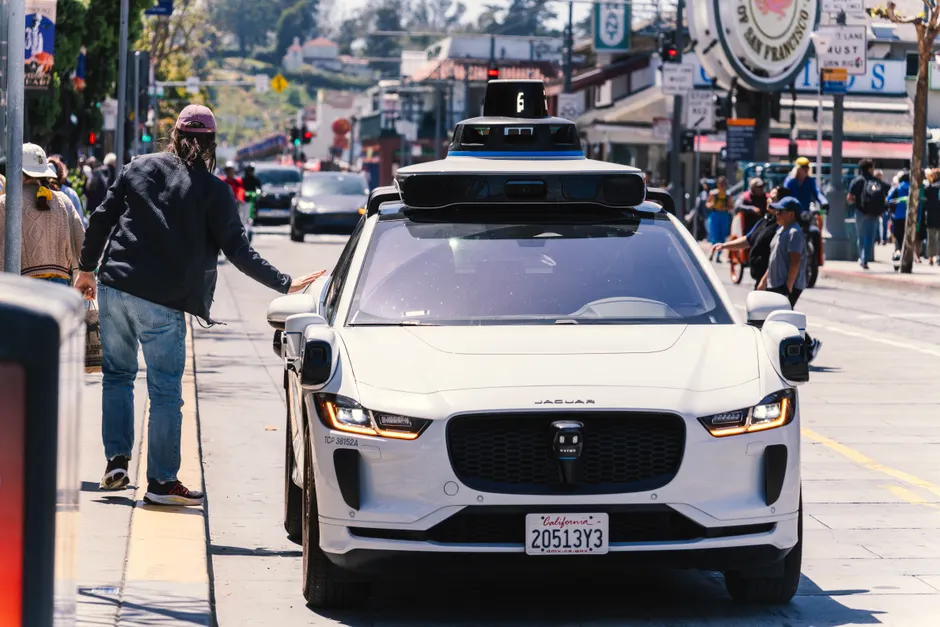
Waymo now offers robotaxi services in 15 markets. It is testing in London and Tokyo and plans to launch service in those cities. Separately, the National Highway Traffic Safety Administration's Office of Defects Investigation opened an investigation into Waymo robotaxis' behavior around school buses. Waymo called the loan an important step in its evolution into a "scaling commercial enterprise."
The broader context here is capital structure, not only capital volume. Equity pays for research and open-ended development. Debt pays for deployment, once vehicle costs, utilization and fleet operations can be modeled. Telecom and cloud providers followed a similar path, borrowing to build networks and data centers after the core technology worked.
In my view, the lender list and the bookrunner matter as much as the $5 billion figure. A group anchored by PIMCO, Blackstone and Sixth Street, plus asset managers and private credit firms, points to review of maintenance, charging, depot capacity, insurance, and computing costs for inference and fleet management. Worth flagging with that is the school bus investigation, which will test validation, logging and over-the-air fixes across the fleet.
In my experience watching my own children, driver assistance went from novelty to expectation, and a driverless ride is starting to follow the same path. That normalization is the commercial prize. If Waymo can turn debt into dependable vehicle supply and denser service without losing safety performance, it gains operating leverage that equity alone provides less efficiently. The risk is execution under public scrutiny, across 15 live markets plus London and Tokyo, while regulators examine edge cases.