Why Waymo Just Bought Apple's Self-Driving Test Site
Why Waymo Just Bought Apple's Self-Driving Test Site
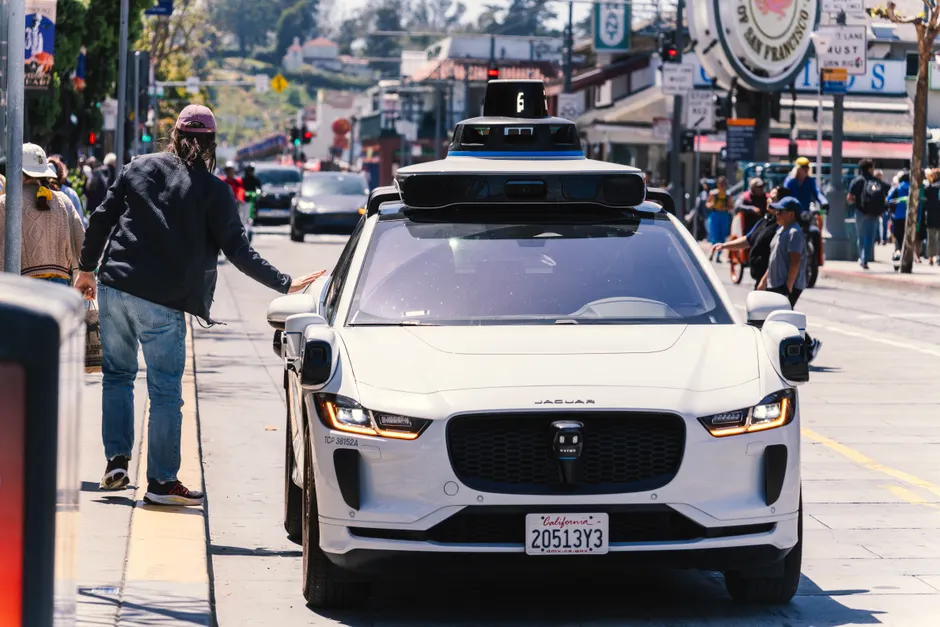
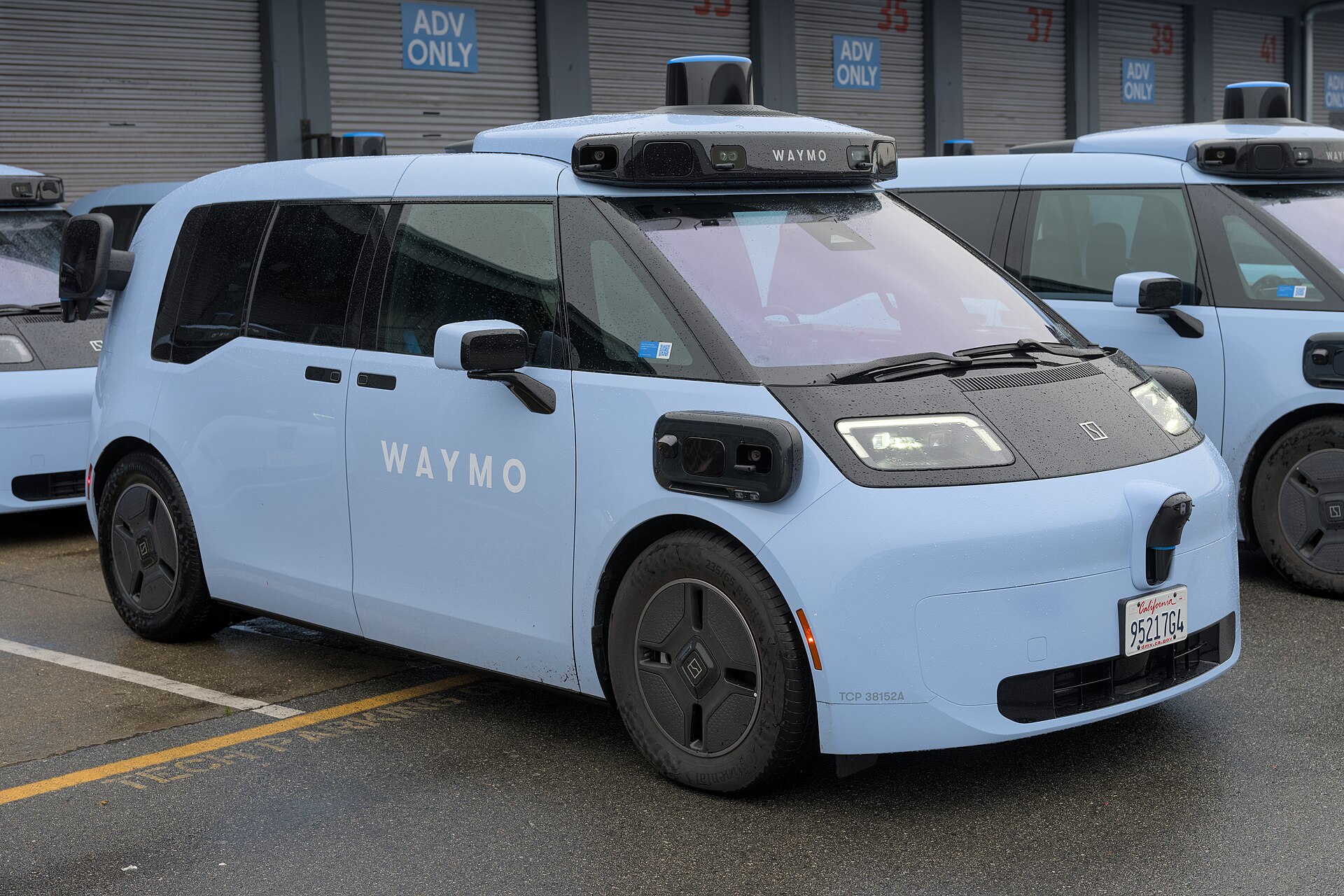
Waymo, Google's self-driving car company, has purchased Apple's autonomous vehicle testing facility in Arizona for $220 million, according to TechCrunch. The 115-acre site is not just empty land — it is a built-to-order replica of an urban city, complete with streets, intersections, and pedestrian crossing scenarios. Apple had invested heavily in building it to develop its own autonomous vehicle program, which the company shelved in early 2024.
For Waymo, owning the facility outright removes a logistical headache that only grows more expensive as the company scales up its robotaxi operations across multiple U.S. cities. Instead of booking time at shared test tracks or improvising on public roads, Waymo now controls a dedicated space designed specifically for the kind of problems self-driving cars actually face in dense urban areas.
What Makes This Facility Valuable
The Arizona site is not a simple racetrack or empty lot. It is an engineered replica of real-world driving conditions: intersections with traffic signals, pedestrian crosswalks, roundabouts, loading zones, and the tricky geometry that rarely gets tested on open roads — narrow lane divisions, parked cars blocking views, curbs of irregular widths.
This kind of facility is useful because autonomous vehicles learn from accumulated test miles, but only gradually. Encounter a cyclist emerging from a blind alley on a public road, and it might take months or years of driving to hit that specific scenario again. On a controlled urban replica, engineers can create the same scenario dozens of times in a single day, tweak how the car responds, and test again. The learning loop is dramatically faster.
Waymo already operates one of the largest autonomous vehicle datasets in the industry from over a decade of real-world testing. The Arizona site lets the company stress-test specific high-risk scenarios in isolation — particularly valuable as Waymo moves into denser cities where edge cases accumulate faster.
Why Apple Sold, Why Waymo Bought
Apple's autonomous vehicle program, called Project Titan, consumed billions of dollars and years of engineering effort before the company shut it down and redirected the team toward artificial intelligence work in early 2024. The Arizona proving ground was left behind — expensive to maintain and no longer aligned with Apple's strategy.
The $220 million price reflects what it cost to build such a facility from scratch. Constructing 115 acres of simulated urban driving, plus getting the regulatory approvals and zoning permission to do it in Arizona, is a serious undertaking. Arizona's clear weather and desert light have made it a long-standing hub for autonomous vehicle testing. Waymo has been testing in the Phoenix area since 2017 and runs its commercial robotaxi service there.
There is a layer of industry history here worth noting. A decade ago, Apple was considered a genuine competitor to Waymo in the autonomous vehicle race. The two companies even sued each other over stolen trade secrets — a case that settled in 2018 — and Apple actively recruited self-driving engineers. Today, Apple has walked away from the field entirely, and Waymo is buying the test site Apple built to challenge them. The technology industry has a long memory for these kinds of reversals.
What Waymo Gains Beyond Test Miles
Owning a controlled facility has advantages beyond simply accumulating more driving data. Waymo uses computer simulation to generate synthetic driving scenarios for training its AI systems. A high-fidelity physical test site can validate those simulations: if the car behaves differently in the real environment than it did in the simulation, that gap tells engineers something worth investigating and fixing.
There is also a more straightforward advantage: secrecy. Testing on a private closed course means competitors cannot observe what specific scenarios Waymo is struggling with or how the company is solving them. As the autonomous vehicle industry grows more competitive — particularly with Chinese companies like Baidu expanding globally, and American startups like Zoox and Motional pushing into the market — protecting your development roadmap becomes strategically important.
The broader question for Alphabet's investors is whether a $220 million facility acquisition makes financial sense. Waymo has consumed substantial capital over its lifetime, and while it raised $5.6 billion in external funding in 2024, it does not yet generate revenue at a scale that pays for infrastructure investments like this from operations alone. Whether this purchase was worth the investment depends on how aggressively Waymo expands its robotaxi service over the next few years, and how much its progress genuinely benefits from controlled testing versus simply accumulating more miles on public roads.
The Larger Industry Pattern
We have seen a similar dynamic play out before when major cloud computing companies decided to build and own their own data centers rather than rent space in shared facilities. The reasoning was identical — owning your own infrastructure gives you control, lets you optimize it for your specific needs, and signals a long-term commitment. Eventually, the math worked out for the largest players, but smaller companies continued leasing shared facilities because they could not justify the upfront investment.
The autonomous vehicle testing industry is likely headed down the same path. Well-funded programs with deep pockets will own their own proving grounds. Smaller teams and researchers will continue using shared facilities like the American Center for Mobility in Michigan or GoMentum Station in California.
For Waymo, the Arizona purchase adds another layer to what is becoming a full development headquarters in the Phoenix area: actual robotaxi operations on public roads, years of built-in regulatory relationships with the state, and now a controlled urban test environment for faster scenario engineering. That geographic concentration of capability is deliberate. It will likely anchor Waymo's technical development work regardless of which cities it eventually operates in.
The 115 acres itself will not put a single passenger in a self-driving car. But unglamorous infrastructure investments like this — the kind that do not make headlines — are often what matters most when you are trying to catch and solve the last remaining edge cases that keep a system from working reliably in the real world.