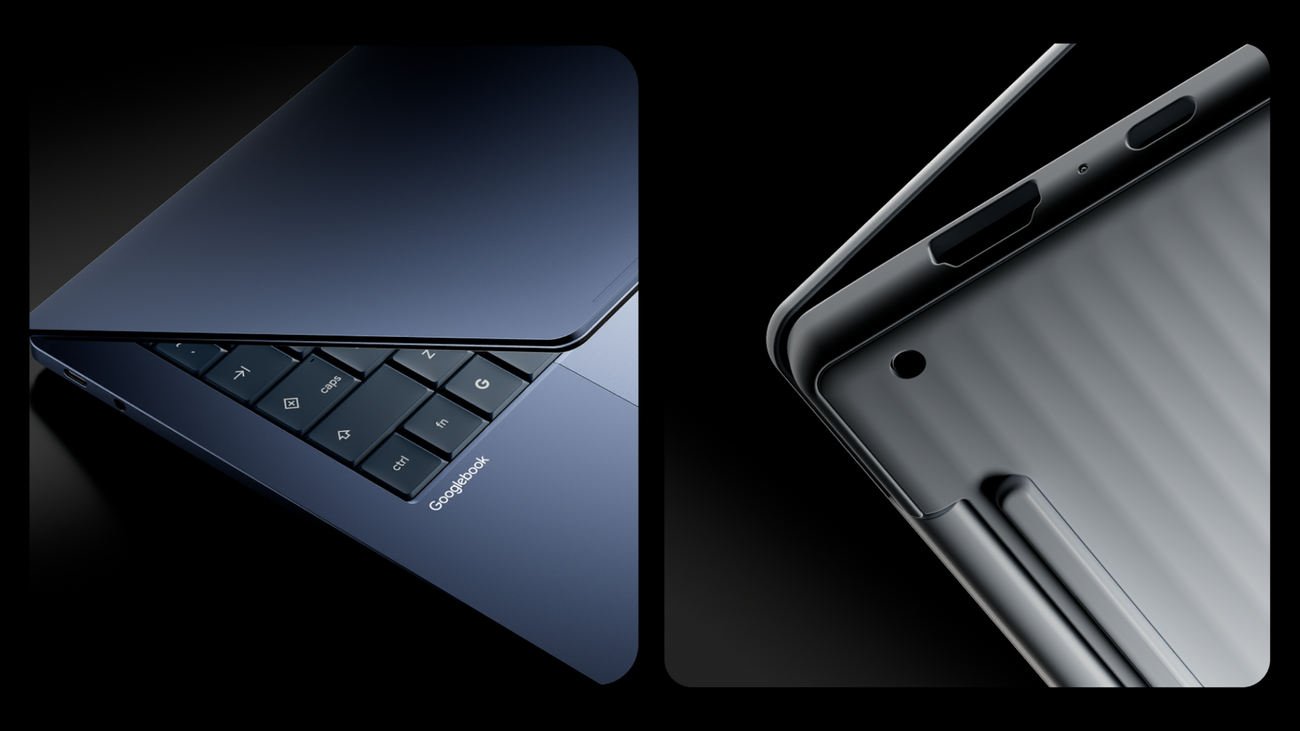
Googlebooks Hit Store Shelves, and Android Is the Big Change

Five Googlebook laptops have moved from preview to retail stores. Pre-orders started September 21, and U.S. sales began October 4. Four staff members at The Verge are testing them now, according to an October 9 roundtable The Verge.
In the U.S., prices start at $899 Google. Google points to high-end materials, powerful processors, and long battery life. Its Gemini assistant is built directly into the laptop Google.
Australia has a slightly different lineup. Four Googlebook models arrived there starting at $2,299 RRP, with sales starting October 5 Google Australia.
The main technical change is the operating system. Google told The Verge that swapping ChromeOS, its older laptop system, for Android, its phone system, will let it develop faster. Googlebook OS will get regular feature drops, or bundled new features, with updates for up to 10 years from launch.
Early testing is focused on how Android feels on a laptop. As part of the four-person effort, Antonio G. Di Benedetto is testing the HP Googlebook 14, Lenovo Googlebook 15, and Acer Googlebook 14.
Three early software details have come up. Googlebook OS does not let you run Chrome with separate Google accounts. The keyboards include Android's navigation buttons, the back, home, and recent-apps keys familiar from phones. Installing the progressive web app version of Slack, a web page packaged to work like installed software, is not working properly.
The broader context here is compatibility and daily workflow. An Android laptop uses Android's habits: one main device identity, phone-style navigation, and phone-style app installs. That helps people who live on Android phones and makes Gemini integration at the system level simpler, while people used to juggling multiple browser profiles, windowed web apps, and keyboard shortcuts will need to adjust.
In my view, the items to watch are the ones that affect daily work in tech teams. Using separate Chrome accounts and installing reliable web apps are routine ways engineers, IT administrators, and support staff keep work and personal use apart and share internal tools. A 10-year update promise and faster development give Google time to fix those behaviors. The hardware case is clear, and the software will decide whether these work as main laptops or as second machines for Android-heavy tasks.