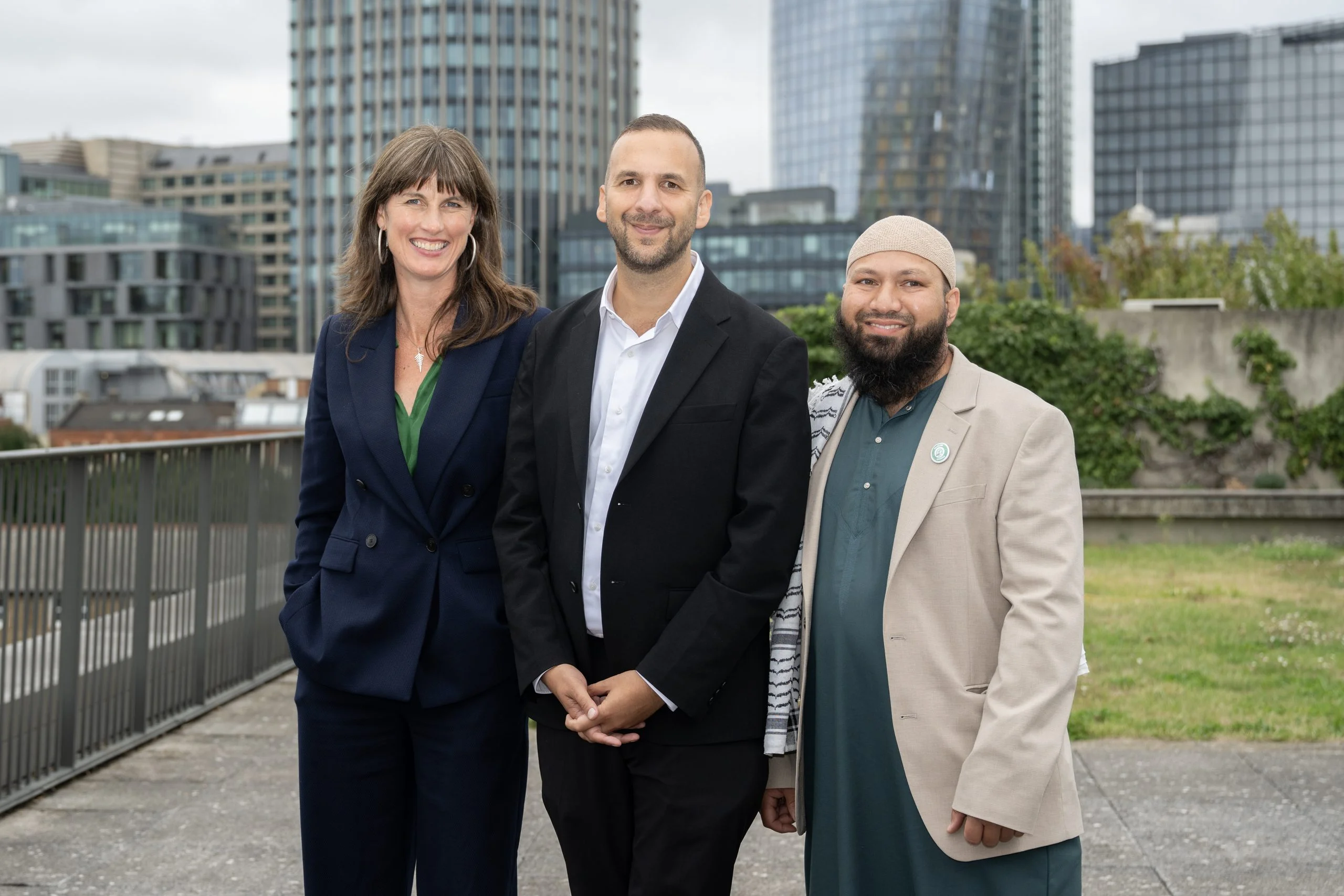
Labour Holds Holborn and St Pancras as Abdi-Wali Succeeds Starmer

Sagal Abdi-Wali has been elected Labour MP for Holborn and St Pancras, succeeding Keir Starmer after defeating Green Party leader Zack Polanski in the parliamentary by-election on Thursday 8 October 2026.
The result was declared after an overnight count, and Parliament lists Abdi-Wali as MP continuously since 8 October. A by-election is like a replacement vote to fill one empty seat between general elections. This contest was triggered by Starmer's resignation as an MP, according to live reporting of the count BBC.
Abdi-Wali received 12,292 votes, or 45%, to Polanski's 8,928 votes, or 33% The Guardian. The margin was 3,364 votes, a gap of 12 points in vote share.
Turnout was 38.76% in the London constituency, as recorded by Camden Council as the administering authority Camden Council.
Abdi-Wali is 43. As a seven-year-old in the 1990s, she fled war-torn Somalia with her mother and four brothers and settled in Gospel Oak in Camden The Guardian.
Her political base is local. She was elected to Camden borough council in 2022 and became Labour cabinet member for housing two years later. In May, she was elected the first Black female leader of Camden council. She had chaired the Holborn and St Pancras local Labour Party for four years.
Labour announced her as its candidate on 14 September 2026. She was selected from a long list of more than 100 candidates to stand after Starmer's resignation.
She said her priorities as MP would include homelessness and housing, bringing Thames Water into public ownership, meaning state rather than private control, and increasing access to jobs and apprenticeships for young people.
Looking at what this means for Labour, the immediate value is retention. Holding the seat avoids the damage of losing a constituency linked to its previous incumbent, and it does so against a challenger with national profile as a party leader rather than a standard local opponent. A majority above 3,000 provides working room, but not the scale that would end debate about Green competitiveness in inner London.
The broader context here is how that challenge worked. When a smaller party puts its leader into a single constituency race, the campaign tests organisation and message discipline on both sides. Labour relied on a candidate with continuous local ties through council leadership and constituency party management. The Greens relied on visibility and momentum. The outcome suggests local incumbency still counts, especially where housing and municipal services shape voter concerns.
In my view, Abdi-Wali's stated agenda will define how this tenure is judged. Housing, homelessness, water ownership and youth employment are constituency issues with national policy links. Her recent responsibility for housing in Camden gives her direct experience with delivery, allocations and pressure on temporary accommodation. Whether she focuses mainly on constituency casework or seeks early footing in parliamentary debates on housing and public ownership will signal how Labour plans to use this hold.