Venezuela's Dual Earthquake Crisis: Mounting Deaths and a Breakdown in Relief
Venezuela's National Assembly reported 2,295 confirmed deaths from twin earthquakes that struck on June 24, 2026, with a second, graver crisis now emerging at makeshift morgues that cannot identify the bodies fast enough. Associated Press reported from July 3 that funeral vehicles and trucks were queued outside identification facilities as families like that of Robert Rodríguez waited for news of missing relatives. The backlog of unidentified remains has become a humanitarian emergency of its own.
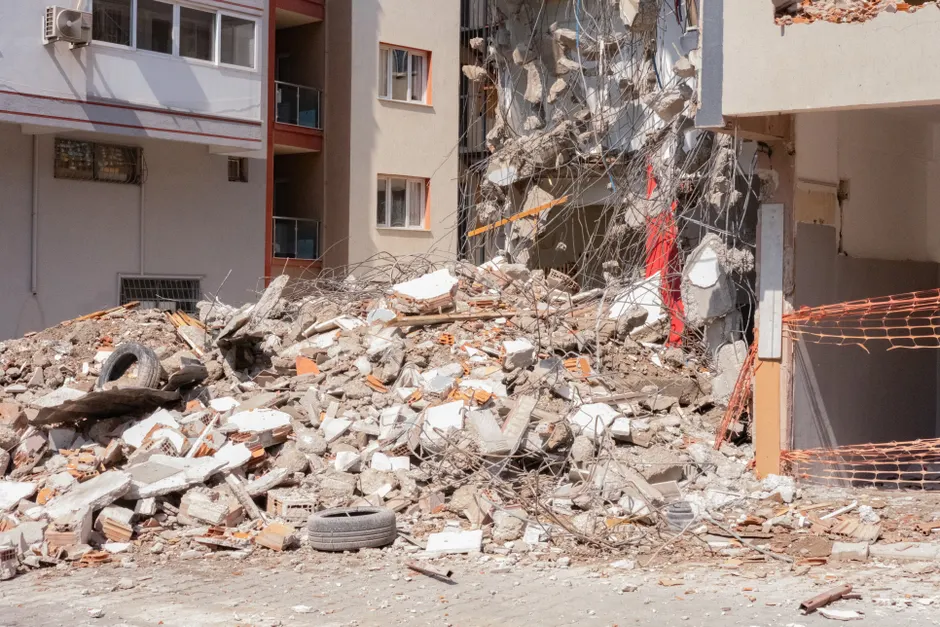
The seismic sequence began when a magnitude 7.2 earthquake struck roughly 160 kilometers west of Caracas, near San Felipe, followed within seconds by a magnitude 7.5 — a rapid doublet that caused far more structural damage than either quake alone would have. Reuters documented the sequence, and rescue teams soon confirmed the toll. The confirmed death count climbed rapidly: past 900 by June 26, 1,450 by June 28, over 1,700 by June 29 according to UN figures, and 2,295 as of July 1 per the National Assembly's official bulletin. On July 3, the Venezuelan government issued a statement committing to transparency and rigorous methods in compiling the final victim count — a notable posture given that independent monitors have long questioned official statistics from Caracas.
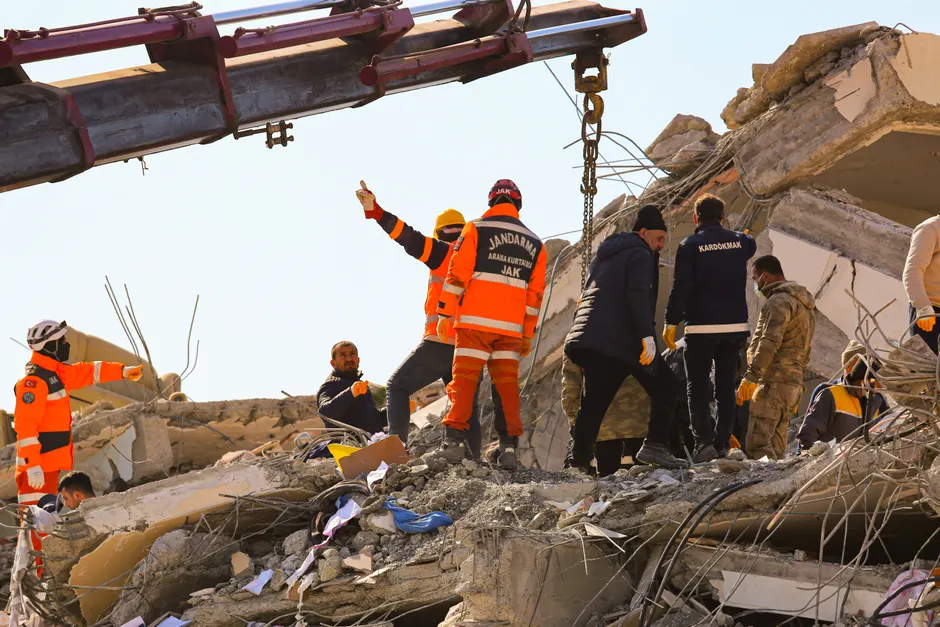
Jorge Rodríguez, National Assembly president, separately confirmed 3,150 injured were receiving medical treatment. Spain's Foreign Ministry reported at least 26 Spanish nationals among the dead. Rescue workers continued pulling survivors from rubble days after the initial quakes; Reuters reported on July 2 that a security guard was rescued a full week later. Vice President Delcy Rodríguez declared seven days of national mourning beginning July 1.
The Economic Toll
Verisk estimated total economic losses at more than $10 billion — a number that carries outsized weight in a nation whose GDP has contracted roughly 75% since 2013 and whose insurance sector has shrunk dramatically following the bolivar's collapse. Verisk's estimate includes both insured and uninsured losses; in Venezuela's case, the uninsured portion likely dwarfs the insured, meaning the cost will fall on the state and on households with little financial cushion. Reconstruction financing is further complicated by Caracas's unpaid debts to international creditors and the ongoing structure of U.S. and EU sanctions, which limit traditional channels for rebuilding support.
Governance Under Strain
Jorge Rodríguez defended the government's earthquake response on July 2 after days of public criticism. The government's operational gaps were visible: young survivors had taken over the running of displacement shelters as of July 1, Reuters reported — evidence of delays in official relief coordination. FUNVISIS, Venezuela's seismological institute, recorded 113 seismic events in July alone, and smaller earthquakes continued in the coastal corridor near Caracas in the days after the main quakes, adding psychological stress to structures already damaged.
The government's July 3 transparency pledge is a carefully calibrated message aimed at both international observers and Venezuelans at home. Caracas has faced long-standing international skepticism over official statistics on health, economics, and security. By publicly committing to rigorous methods on the death toll, the government has created a standard by which independent monitors — the UN, NGOs, foreign governments — can assess accuracy. How well that commitment is kept, and whether international humanitarian groups have enough access to verify it, will shape how the response is ultimately judged.
Seismically, the San Felipe doublet occurred in a well-understood zone where the Caribbean and South American tectonic plates interact. The Boconó Fault system, running through the Venezuelan Andes toward the coast, has produced destructive earthquakes in the past, including a 1812 event that destroyed Caracas. The June 24 doublet did not strike directly on the Boconó, but the regional stress field is interconnected, and aftershock sequences in complex fault zones can continue for months. FUNVISIS's data — 113 recorded events in July — reflects that ongoing instability.