Diesel Fell 3% on a Trump Ceasefire Claim: Why Traders Are Not Counting Barrels Yet

European diesel prices fell 3% on Monday after President Trump claimed Russia and Ukraine had entered an "energy ceasefire." The move was reported on Oct. 12, 2026, with refined fuel reacting first and most sharply to the claim. Financial Times
Oil prices also fell on Oct. 12 as traders weighed more Russian diesel supply and a possible Russia-Ukraine energy ceasefire. The decline priced in competing supply signals, not a confirmed change in physical flows. The Wall Street Journal
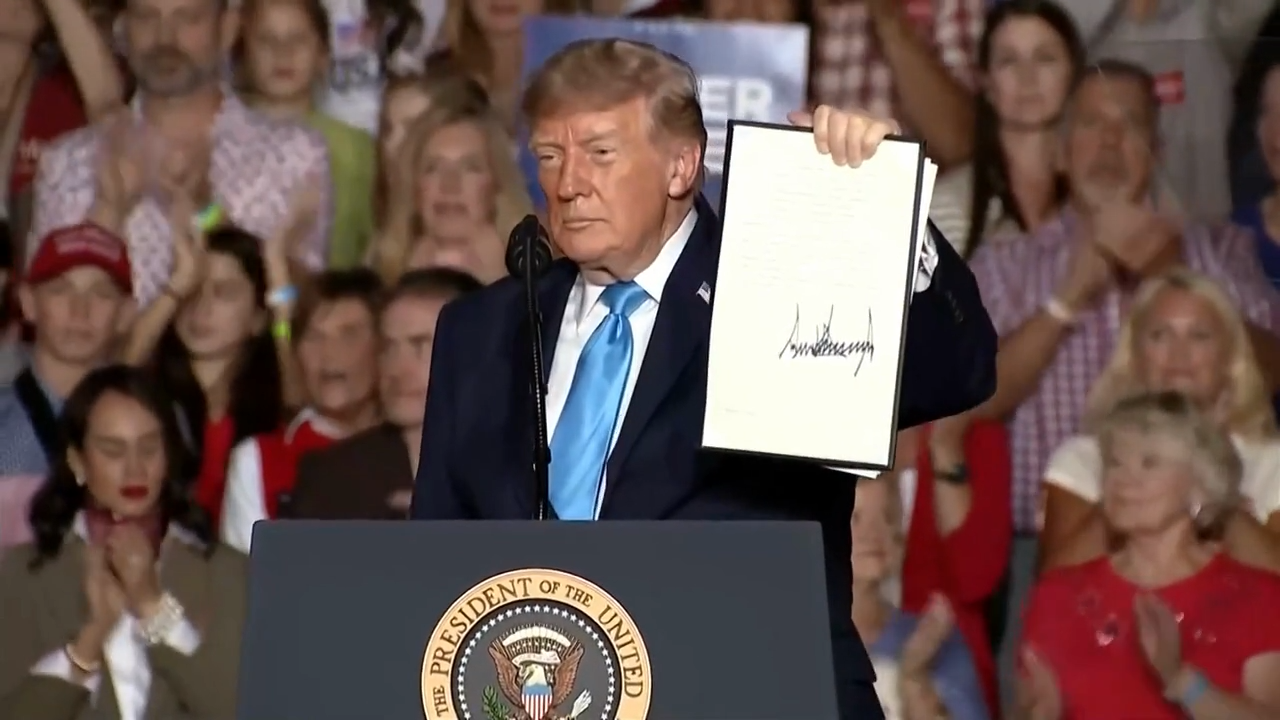
Trump said his administration had reached an agreement for Russia to supply large amounts of diesel to the U.S. That was framed as an agreement reached, not barrels delivered. A separate report put a near-term number on it, saying Russia would "immediately" release 300,000 tons of diesel. The Wall Street Journal NBC News
The supply claim came with a policy shift. The U.S. agreed on Friday to lift sanctions on Russian fuel, according to the latest reporting. Trump also blamed Ukraine for high U.S. fuel prices, a charge reported a day earlier. NBC News Time
Stock futures moved the other way from energy. Nasdaq futures, contracts tracking the tech-heavy index into the open, rose 0.3% after Trump announced the diesel agreement. Broader stock futures pointed to small gains in early trading. The Wall Street Journal
The Wall Street Journal captured the price action live in "Stock Market Today: Diesel Prices Slip on Trump Push for Russia-Ukraine Truce," published Oct. 12, 2026 at 5:07am ET. That coverage reported stock futures pointing to small gains alongside the slip in diesel prices. The Wall Street Journal
The broader context here is the split between crude oil and refined products like diesel. Think of crude as the raw input and diesel as the finished fuel. A diesel headline should hit European diesel first, then filter into crude through refinery margins, the profit from turning oil into fuel, and plans for runs. A 3% diesel drop with a softer crude tape fits that chain. What trading desks still need is paperwork, timing and logistics: sanctions relief wording, loading schedules, destination limits, and whether 300,000 tons means prompt release, allocated volume or headline pledge.
In my view, the market is treating this as headline risk rather than confirmed extra supply. Nothing verified confirms Ukrainian agreement to the ceasefire, Russian loading or U.S. receipt. Futures can move on changed odds alone. That explains small equity gains with lower oil: cheaper fuel cost with no confirmed demand shock. Until customs data, ship booking reports or formal notices line up with the statements, the move measures expectations, not barrels.
Looking at what this means for positioning, diesel exposure is the most sensitive from here. If detail confirms who can buy, how much and when, product price gaps adjust first before outright oil finds direction. If confirmation lags or conflicts with the claims, the snap-back risk sits in the same place. For now the tape shows claim-driven easing in fuel costs and a modest lift for stocks, both waiting on verification not yet reported.