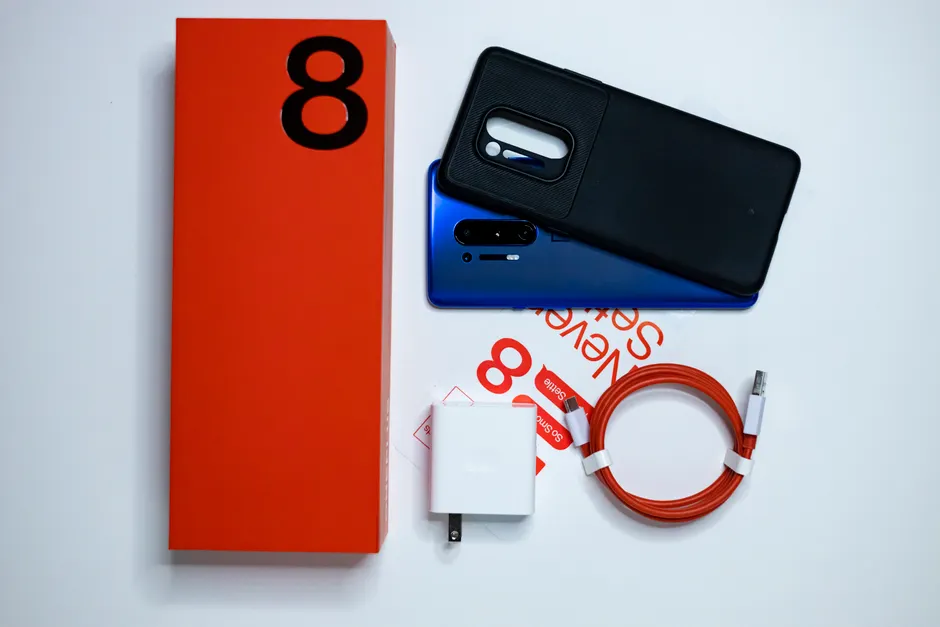
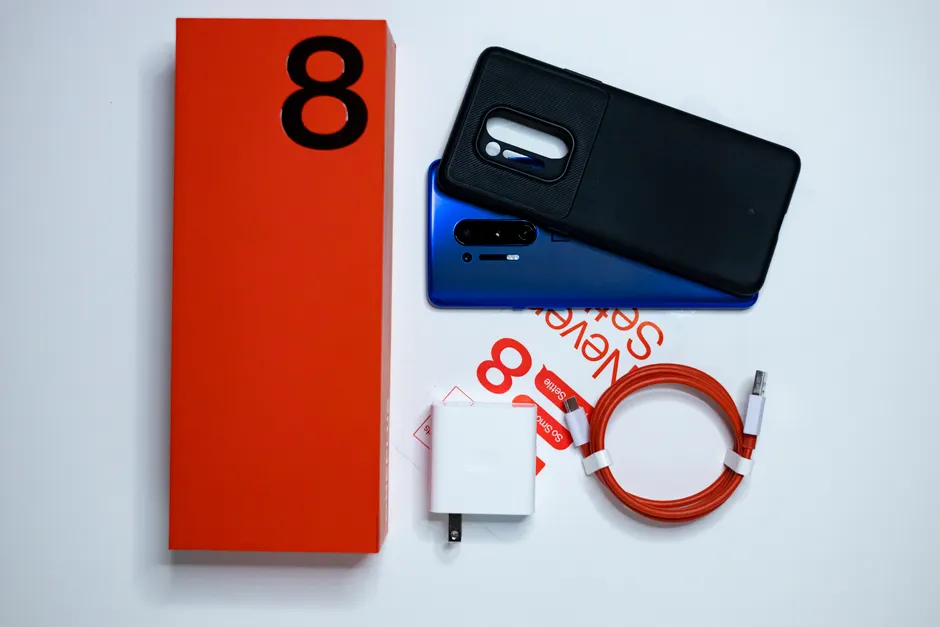
OnePlus 16 Launches in China With Big Battery and 200MP Camera

OnePlus has launched the OnePlus 16 in China. It is the first flagship from the company since it left the US and European markets in the summer, and it will not launch in the US or Europe. In China, pricing starts at ¥5,699, about $850. The Verge
OnePlus had scheduled its launch event for 19:00 on October 12, 2026. OnePlus
The phone runs on a Snapdragon 8 Elite Extreme Gen 6 chipset, the main processor that handles computing and AI tasks. Storage goes up to 1TB, for apps and files, and memory goes up to 16GB, for working space used by running apps. The Verge Earlier reporting listed a 12GB RAM option and LPDDR6 RAM, a newer memory standard. PhoneArena
Battery capacity is 9,000mAh, using a silicon-carbon cell, a chemistry that packs more energy into the same space. Wired charging is rated at 100W. Wireless charging is rated at 50W. The Verge
The display is an OLED panel, a screen type known for deep blacks and bright colors, rated at 185Hz. The system interface can run at up to 165Hz throughout, meaning the screen can redraw up to 165 times per second for smoother scrolling. The Verge
On the rear, the main camera is 200 megapixels with a 1/1.4-inch-type sensor and f/1.4 aperture, a wide lens opening that lets in more light. The ultrawide camera, for wider scenes, is 50 megapixels. The telephoto camera, for zoom, is 50 megapixels with a 1/1.95-inch sensor and uses a periscope design, a folded lens path that allows longer zoom in a thin phone. The Verge That periscope description was confirmed ahead of launch. GizmoChina
The silver finish includes LED lighting in the shape of a big "16" on the back. The Verge
The broader context here is a flagship built without US or European carrier, regulatory, or channel limits. A China-only release lets OnePlus choose parts, radio settings, and software for one market. For engineers who ship phones in many countries, that simplification matters. It removes multi-region certification work and multi-version modem testing from the schedule.
In my view, the specification reads as an attempt to fix one bottleneck at a time. The 9,000mAh silicon-carbon pack with 100W wired and 50W wireless charging tackles battery size and refill speed together. The 185Hz panel with 165Hz sustained operation keeps spare capacity above the target, which helps motion stay steady under load. The 200-megapixel main camera with two 50-megapixel helpers will stress the image processor, memory flow, and heat control during full-resolution bursts.
Looking at software, the 165Hz system-wide mode is the detail to watch. Sustained high refresh changes touch response targets, animation timing, and graphics power use. Apps built around 60Hz or 120Hz will need checks for dropped frames and uneven motion. The camera software will need to handle large photo files without freezing the preview or slowing the shutter, especially when the periscope zoom is in use.
Worth flagging is how familiar this cycle feels. I have covered enough battery, display, and megapixel races to treat headline numbers with care. The long-term trend has been positive. Capacity that once needed a thicker phone now fits in normal designs, high refresh has moved from gaming phones to the default, and software has made large sensors useful in daily light. My kids never asked about milliamp-hours or hertz. They noticed when a phone lasted a full heavy day and when scrolling stopped stuttering. That is still the test that counts.
The practical takeaway is split by market. For China-based users and developers, the OnePlus 16 gives a high-ceiling test device. Large memory, fast storage, sustained high refresh, and high-power charging leave room for heavier on-device work. For everyone else, it is a data point from outside the market they can buy in, useful for planning rather than buying.