Trump's Russian Diesel Deal and Push to Stop Refinery Strikes, Explained

President Donald Trump has agreed to import Russian diesel fuel under sanctions relief while pressing Ukraine to halt strikes on Russian refineries. The arrangement was assessed on October 13, 2026 as giving Moscow both the diesel deal and increased U.S. pressure on Kyiv. New York Times
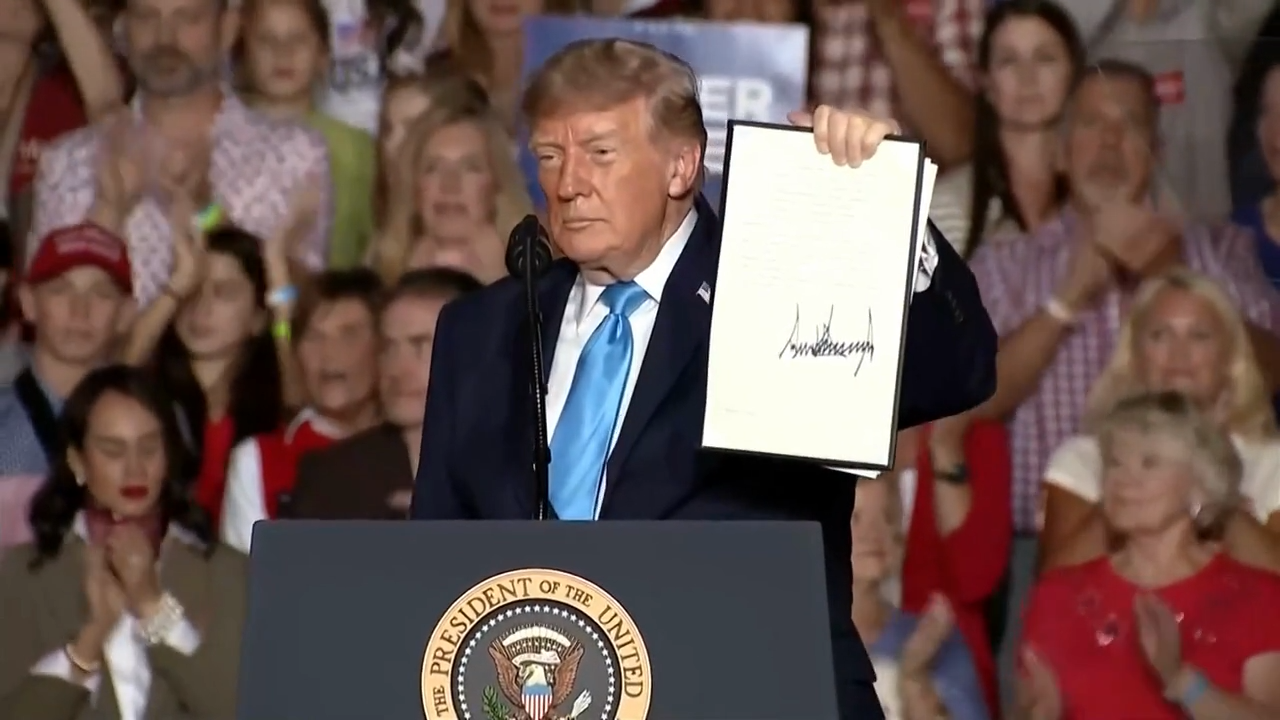
Trump announced the diesel purchase on October 12 and stepped up pressure on Ukraine to stop striking Russian refineries. He offered sanctions relief for Russian diesel fuel. Sanctions relief means a legal exception to penalties that normally block trade with Russia. He later defended the deal amid complaints from lawmakers of both parties, saying it will help U.S. farmers and ranchers. Reuters
U.S. diesel pump prices rose over 60% during the war in Iran. Trump cited that price pressure when explaining his search for added diesel supply. In Congress, Republicans and Democrats criticized the deal as fueling Russia's war against Ukraine. Associated Press
Ukraine rejected that framing. President Volodymyr Zelensky called Trump's deal with Russian President Vladimir Putin to allow imports of Russian diesel fuel a "weak decision". Zelensky said Ukraine will halt strikes on refineries if Russia stops attacks on energy targets. An energy ceasefire, as Trump announced it, means both sides agree not to hit power stations and other energy sites. Reuters
Trump accused Ukraine of causing a "world problem" with Russian refinery attacks. He said Ukraine should get a new president, suggesting Volodymyr Zelenskyy had not done enough to end the war.
The energy arrangement came after days of intense attacks. On October 3, Russia pledged to continue massive strikes on Kyiv and urged foreign diplomats to leave the city. Putin said Ukraine was paying the price for its own attacks on Russia and would continue to do so. On October 4, Russia's Defence Ministry said Russia will intensify strikes on Kyiv and other parts of Ukraine. Zelensky told Reuters that Putin called for broader attacks on civilian targets.
Russia then pounded Ukraine with waves of missiles and drones in what Volodymyr Zelenskiy called one of its most "vile strikes". At least 32 people were killed in Ukraine in Russian strikes reported on October 7, 2026.
Ukraine accused Russia of hitting energy targets despite Trump's announced energy ceasefire between Russia and Ukraine. Then, on October 13, 2026, Russia hit no Ukrainian energy targets, the first such day since Trump's weekend truce initiative. Reuters
In Europe, the reaction was negative. The New York Times reported on October 13 that the United Kingdom and Europe recoiled from Trump's diesel deal with Putin. New York Times
The broader context here links three separate pressure systems. The first is a sanctions carve-out for refined products like diesel. The second is long-range strikes on refining and energy infrastructure. The third is a limited energy ceasefire. A conditional Ukrainian halt on refinery strikes would remove a source of fuel disruption inside Russia. A Russian halt on energy strikes would ease pressure on Ukraine's grid ahead of winter. Sanctions relief for diesel would alter enforcement precedent. Whether the October 13 lull extends, and whether Congress or European capitals constrain implementation, will determine if the arrangement stabilizes into a wider negotiation channel or fractures over verification.