Vizio's $398 Mini LED TV Is Cheap—but the Data Deal Is the Real Story

Vizio's 65-inch Mini LED Quantum TV is retailing for under $398, making it the lowest-priced quantum-dot television currently available, according to a review published by The Verge on July 5, 2026. The 2026 lineup spans six screen sizes—43, 50, 55, 65, 75, and 85 inches—starting at $139, with the 75-inch model (VQM75C-10) priced at $498. Both Walmart and Sam's Club carry the line, a natural fit given Walmart's 2024 acquisition of Vizio.
The panel combines Mini LED backlighting (a grid of small, densely-packed LEDs behind the screen that brighten or dim in zones) with a quantum-dot filter layer. This pairing delivers higher sustained brightness and tighter color volume than standard LED-LCD displays. The 65-inch model has a 64.50-inch viewable area and supports 4K at 60Hz and 1080p at 120Hz—meaning no HDMI 2.1 bandwidth and no 4K/120Hz capability for modern gaming consoles or PCs. The port setup reflects the price: three HDMI 2.0 inputs (one with eARC for audio return), a single USB 2.0 port, optical audio output, and an ATSC 1.0 tuner. HDR support is broad—Dolby Vision, HDR10+, HDR10, and HLG are all included—and the audio passes through both Dolby Atmos and DTS:X.
The Data Question
The more consequential story is not the panel spec. Walmart acquired Vizio in 2024 primarily for its advertising business, which was the sole source of Vizio's profit at the time of the sale. That context matters when examining the TV's data-collection structure.
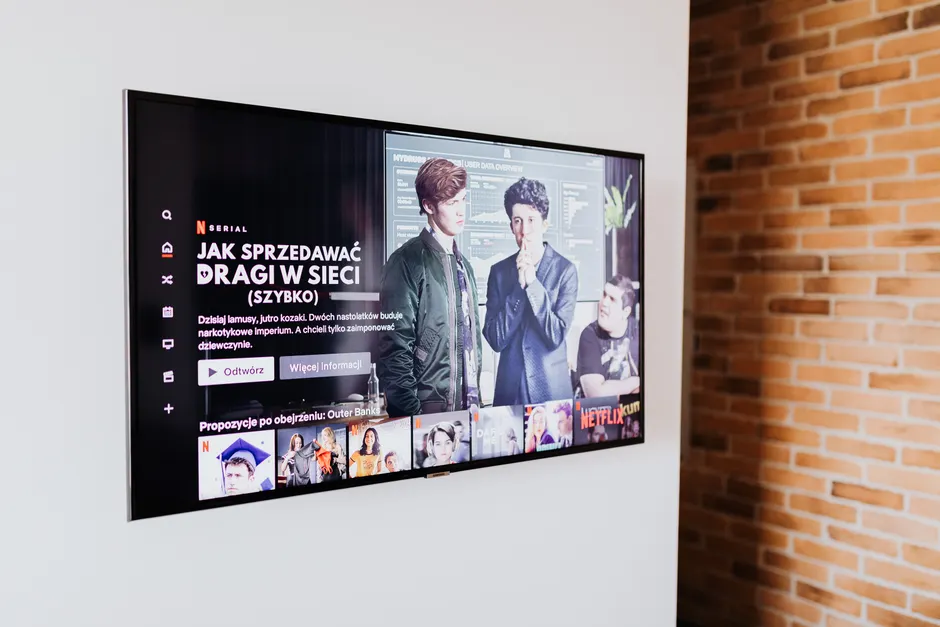
Setting up the Mini LED Quantum presents a binary choice: accept Vizio's activity data policy and unlock the full smart OS with Netflix, YouTube, and other streaming apps, or decline and use the TV as a passive display with no smart features. There is no middle ground that allows streaming while restricting data collection. A Walmart account is also required for certain features.
A subtler issue applies even to buyers using an external streaming device—an Apple TV, Roku, or Fire Stick—and never touching the built-in OS. Unless the smart OS is completely bypassed during setup, Vizio and Walmart can scan HDMI inputs and infer what content is playing. This capability carries weight. Vizio was caught collecting viewing data from smart TVs without user consent in 2017 and settled with regulators. The current setup flow does offer a genuine opt-out, a structural improvement over that history—but opting out eliminates the smart TV features entirely.
The characterization of a "dumb mode" as a feature warrants scrutiny. A user who declines data collection receives a display; a user who accepts gets a platform. For buyers comfortable running their own streaming hardware and willing to navigate the setup opt-out, the trade is clear. For everyone else, the activity data policy is effectively the cost of access to the smart OS—and given Walmart's stated rationale for the acquisition, that policy is central to the business model, not peripheral engineering.
At under $400 for a 65-inch Mini LED quantum-dot panel with full HDR format support, the hardware value is hard to contest. Mini LED at this price would have been unusual even two years ago; the technology has commoditized faster than analysts predicted. The absence of HDMI 2.1 and 4K/120Hz matters mainly to PC gamers and console players running current-generation hardware at full specification—for that use case, the connectivity limitation is real, not trivial.
For buyers whose display chain runs through an external streamer or Blu-ray player, and who are willing to opt out of the smart OS during setup, the Mini LED Quantum is a solid, affordable display. The engineering tradeoffs are transparent. The data tradeoffs merit the same level of attention.