Uber Pauses European Expansion: Mapping the Delivery Hero Deal Strategy
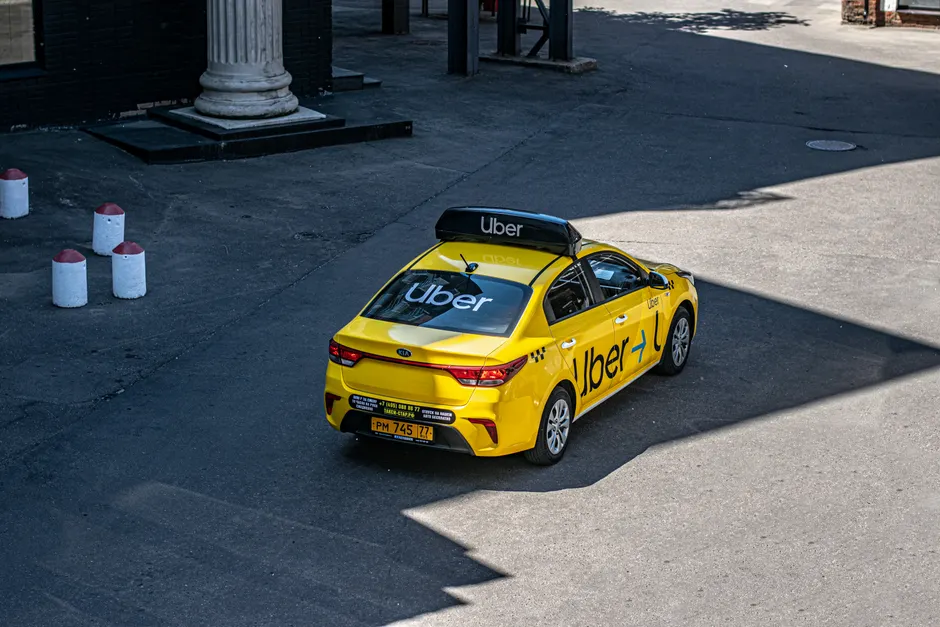
Uber has put five of its seven planned European market launches on hold, the Financial Times reported on 5 July, with Uber confirming the decision directly to the outlet. The paused markets include Austria, Norway, and Greece — countries where Delivery Hero, the European delivery platform Uber is separately trying to acquire, already operates.
This reverses course from a February announcement in which Uber unveiled plans to enter seven new European markets across 2026. Finland and Denmark did proceed, and Uber told the FT those launches had been a "huge success." The company's stated reason for stopping: a desire to "focus on continuing the momentum" in those existing markets rather than spreading resources across multiple simultaneous launches.
That rationale is operationally sound. Marketplace platforms typically sequence launches across new geographies because they must build driver supply, secure regulatory approval, and establish local demand all at the same time. Managing that parallel effort across seven markets simultaneously is resource-intensive. Two successful launches providing proof of concept before committing further capital is a measured approach.
The timing, though, invites scrutiny. Uber made a 10 billion euro takeover bid for Delivery Hero in May 2026; Delivery Hero rejected it. According to Reuters, citing Financial Times reporting, Uber has since been weighing a higher offer. The acquisition effort remains active.
The strategic overlap is direct. Delivery Hero operates in several of the same countries where Uber's launches are now paused. An industry source told TechCrunch that pulling back on independent market entries could help reduce antitrust concerns regulators might raise about the Delivery Hero deal.
The logic here is worth unpacking. If Uber enters Austria, Norway, and Greece independently and then acquires the dominant local competitor in those same markets, the combined company's market share in each jurisdiction becomes an obvious target for competition scrutiny. By staying out, Uber preserves strategic flexibility — and arguably makes it easier to argue to regulators that acquiring Delivery Hero is about entering new markets rather than foreclosing competition in markets it has already claimed.
It bears noting: the antitrust framing is an industry source's interpretation, not Uber's public position. Uber emphasises operational discipline, not deal mechanics. These two explanations are not mutually exclusive — a pause that serves both operational efficiency and regulatory strategy is plausible — but they carry different weight for how permanent the pause will be. If the Delivery Hero acquisition closes, Uber gains presence in the paused markets through the acquired company rather than through organic expansion. If the deal fails, the February expansion plan could plausibly be revived.
The Czech Republic was among the original seven markets Uber flagged for entry in 2026. Available reporting does not yet clarify whether it falls among the five paused markets or the two that proceeded.
European regulators have a track record of scrutinising platform acquisitions that consolidate geographic reach, particularly in food delivery, where Deliveroo's exit from multiple markets and Just Eat's complex ownership history have made the sector a recurring focus for competition review. Uber is navigating that environment while simultaneously trying to negotiate upward from a rejected initial bid — a position that limits its room to also aggressively pre-empt Delivery Hero's home markets.
What emerges is a company managing two overlapping timelines: a pan-European expansion strategy announced in February with clear intent, and an M&A process that may render parts of that strategy unnecessary or, if it fails, essential. The pause does not cancel the expansion. It defers it to a point where the deal's outcome is clearer.