Tirana Student Protests Turn Violent: What Drove the Escalation

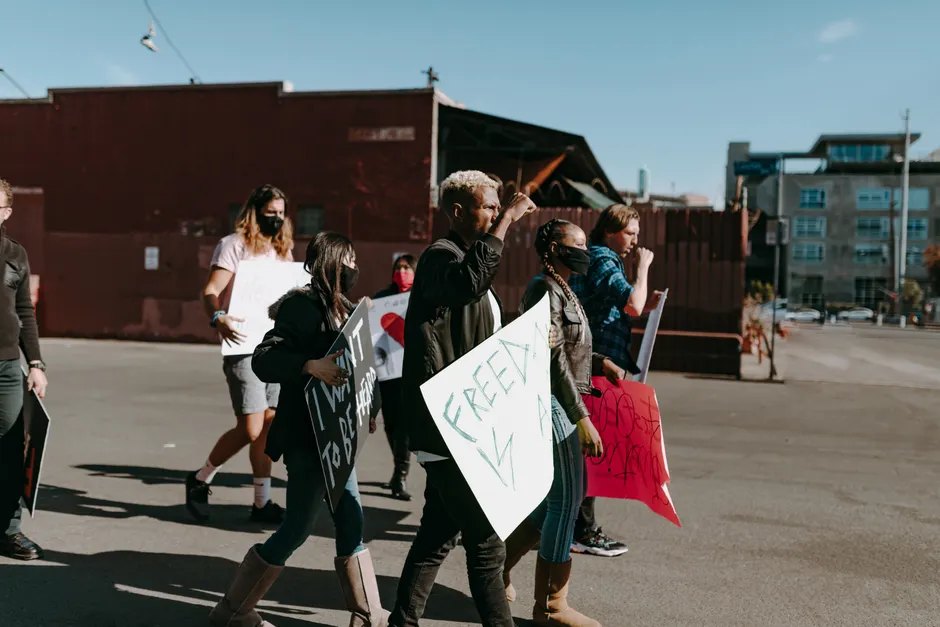
Tens of thousands of students marched in Tirana on Wednesday, October 14, 2026, protesting rising education costs and corruption. The demonstration escalated into arson and street clashes with police. The Guardian
Thousands gathered in front of Albania's Education Ministry. Some threw bricks at the building. Others hurled stones at police. Police responded with water cannon and teargas to disperse the crowd. Water cannon are trucks that spray high pressure water. Teargas is a chemical that irritates the eyes and lungs.
Fire broke out at the Education Ministry during the protest, on the second day of student protests. A branch of Raiffeisen Bank near the ministry also caught fire. Protesters set alight a government building and two banks in total, according to the latest reporting. Reuters
Tear gas and petrol bombs, which are bottles filled with fuel and lit, were reported on Tirana's streets on October 14 as police and students clashed. Balkan Insight A heavy police presence and a water cannon were deployed near the ministry building.
The violence followed clashes on Tuesday, October 13. Students hurled bricks and concrete blocks at the Education Ministry that day. Police fired tear gas. Students clashed with riot police. Reuters
That October 13 protest led to 23 protesters taken into police custody. Six police officers and a journalist were injured. Albanian Telegraphic Agency That protest caused property damage to local businesses after hours of tension and clashes.
Student organisers said the protest was over university conditions, higher education costs, lack of financial support and employment prospects after graduation. A second-year law student told BIRN he was protesting over corrupt politicians during the October 14 protest. The protests spread beyond the capital to universities at Elbasan and Shkoder.
Albania's government is led by Prime Minister Edi Rama. On October 14, Tirana police urged protesters to distance themselves from masked individuals and warned of criminal liability for unlawful acts. Albania's president urged calm as street protest clashes continued. The EU delegation in Tirana voiced concern over violent escalation and encouraged all sides to de-escalate.
The broader context here is rapid escalation and widening geography. A protest framed around tuition, conditions and graduate employment has, in two days, produced sustained physical confrontation, custody cases, injuries to police and press, damage to businesses and banks, and fire at a central ministry. The shift from Tuesday's brick-throwing and tear gas to Wednesday's fires and petrol bombs points to a higher level of confrontation. The spread to Elbasan and Shkoder points to coordination beyond Tirana campuses.
Looking at what this means for Tirana, institutional responses are now on parallel tracks. Police stress separation from masked participants and legal consequences. The presidency appeals for restraint. The EU delegation calls for de-escalation. The variables to track are protest persistence, the government's policy response on university funding and graduate employment, and whether security tactics contain or prolong street action.