Stocks Fell on Sticky Inflation and AI Worries: What It Means for Rates

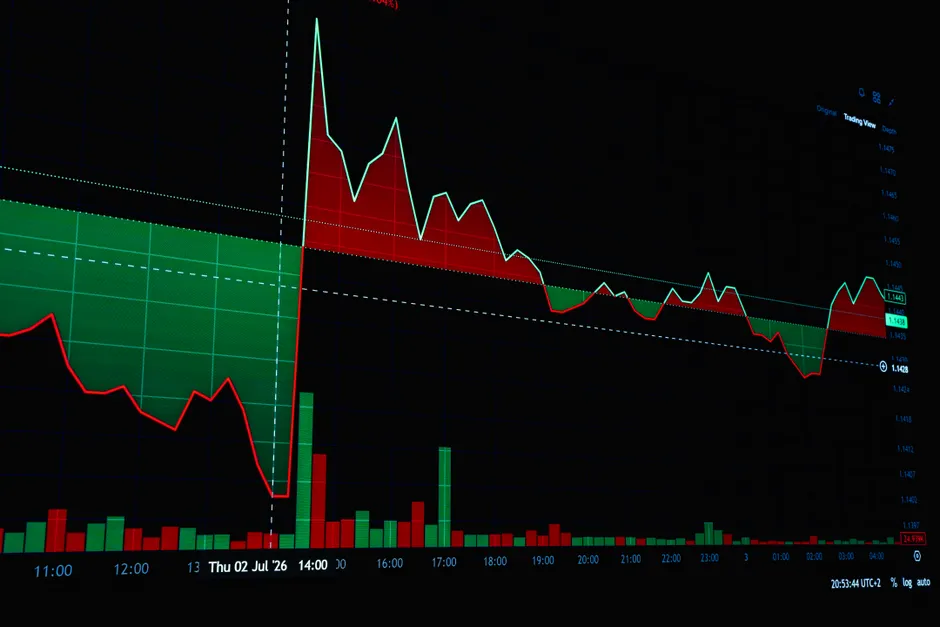
The S&P 500 fell 1% on October 14, 2026, while the Nasdaq Composite fell 1.88% to close at 26,692.87, after an inflation report and a drop in AI-related stocks. CNBC
Inflation and rates
The U.S. Bureau of Labor Statistics reported the Consumer Price Index for All Urban Consumers (CPI-U) increased 0.6 percent on a seasonally adjusted basis. BLS The index rose 3.7 percent in September 2026 from a year earlier. NYT CPI-U is the government's broad measure of living costs. U.S. consumer prices accelerated in September on costlier gasoline and firmer core inflation, which strips out food and energy. Reuters Gas prices surged 34 percent in connection with the September increase. NYT
The broader context here is that mix. Headline inflation was led by energy. Core firmness is harder to dismiss because it points to sticky prices beyond gas. For savers and borrowers, sticky inflation can keep interest rates higher for longer.
After the September inflation report, financial markets raised the chances of a Federal Reserve rate hike at its October 2026 meeting to roughly 37%. Reuters
The broader context for rates here is that shift. A 37% chance is a large change in short-term rate expectations. It tightens financial conditions through real yields, or borrowing costs after inflation, and discount rates, the math investors use to value future profits.
Tech sold off again
On October 8, 2026, AI-tied stocks retreated and pulled the Nasdaq Composite and S&P 500 lower. Investopedia In that session, the Nasdaq Composite and S&P 500 ended down 1.3% and 0.5%, respectively. Investopedia The October 14 decline extended the pattern, with AI-related names again underperforming when rates moved higher.
U.S. stocks turned lower on a Thursday as fears of AI-driven disruption prompted investors to rotate out of technology shares. Yahoo Finance AI stocks pulled Wall Street lower as worries about the disruptive force of artificial intelligence spread among investors. Reuters
Why the Nasdaq fell harder
The broader context here is the collision of two duration problems. Higher inflation can lift the path for policy rates and raise the discount rate used for long-duration growth cash flows, or profits expected far in the future. At the same time, AI disruption risk lowers the terminal multiple, or the price investors will pay for a company facing replacement, even before earnings change. When both hit together, megacap tech feels pressure from both sides.
Looking at what this means for market structure, dispersion is the signal to watch. Index declines of 0.5% to 1.88% hide a sharper rotation from high-priced software and platforms toward shorter-duration and energy-exposed parts of the market that gain mechanically from a gasoline-led price jump. That argues for watching breadth, or how many stocks join a move, the link between inflation-adjusted long-term yields and growth versus value, and whether AI laggards steady when rates steady.
In my view, the 37% hike probability is the fulcrum. If core price growth cools again, that pricing can fade quickly and ease pressure on long-duration stocks. If core stays firm while energy effects linger, the market will have to price lasting pressure rather than a one-month spike. Either way, AI stocks now carry an added disruption discount on top of rate sensitivity. That combination explains why the Nasdaq, at 26,692.87, took the larger hit.