Asian Currencies Split as Hot US Inflation Lifts Fed Hike Bets
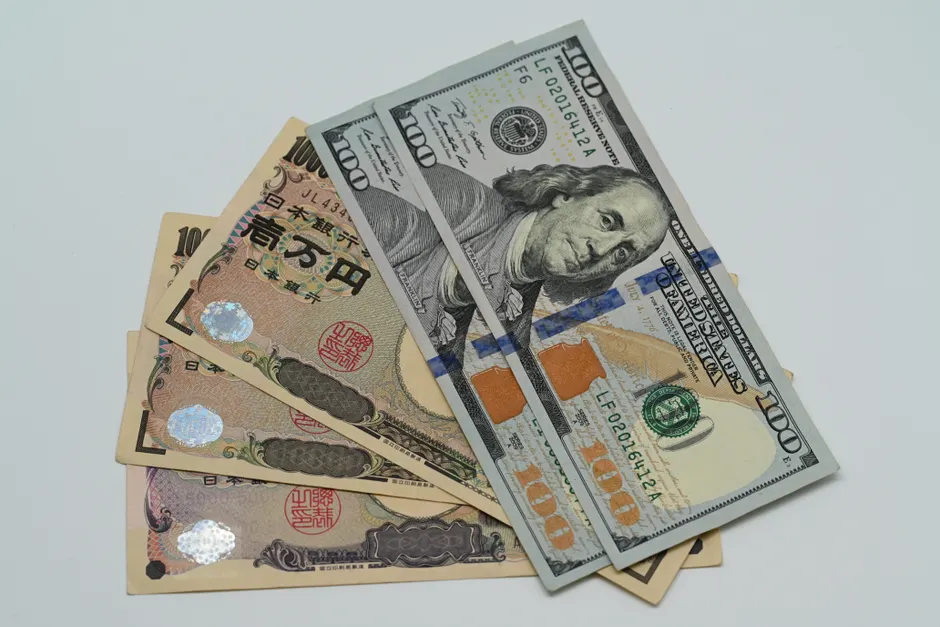
Asian currencies were mixed against the U.S. dollar at 0104 GMT on Oct. 15. WSJ For savers and borrowers outside the U.S., the mix matters because a firmer dollar can raise import prices and dollar-linked borrowing costs.
U.S. data put September core inflation at 0.3% month-on-month, above the 0.2% consensus forecast. Core means excluding food and energy. Consensus is the average analyst forecast. Pricing shifted fast. Markets moved to a 34% chance of an October rate hike, up from 20% before the data, according to CBA international economist and currency strategist Samara Hammoud in a research report.
Price moves diverged. The dollar fell 0.3% to 157.86 yen. It rose 0.7% to 1,347.60 won. The Australian dollar fell 0.2% to US$0.6952.
That followed a run of dollar strength. The dollar had finished its fourth straight week higher on expectations the Federal Reserve will keep raising rates, with the WSJ Dollar Index up 0.11% to 96.96 in late-September trading. WSJ On Oct. 1, the dollar rose to a 17-month high against the euro amid a global bond selloff. Reuters At the start of Asian trading on Oct. 13, the dollar held steady after a holiday for some U.S. markets as geopolitical risks rose. CNBC
By Oct. 14, trade had turned more two-sided into the inflation report. The dollar index edged 0.02% lower to 102.16 after a 0.35% slide on Tuesday. Reuters Strong consumer prices then revived bets on an October Federal Reserve hike and lifted the dollar to a new 18-month high.
Looking at what this means for positioning, the split in Asia matters more than the mixed label. A simple hawkish surprise would normally lift the dollar against yen and won together and weigh on the Australian dollar in parallel. Yen strength with won weakness breaks that pattern. It points to offsetting flows around safe-haven demand, stock links and local positioning rather than one uniform rates bid.
The broader context here is risk around Fed pricing. The jump in October hike odds from 20% to 34% leaves short-term U.S. rates sensitive to each U.S. report and Fed signal. If that pricing holds, firm dollar funding costs keep pressure on risk-sensitive and carry-trade regional currencies. If it fades, the Oct. 14 pause shows how quickly calm can return.


