Flock Safety's License-Plate Network Is Shrinking Under Privacy Pressure

Hundreds of cities, counties and other local governments have begun canceling contracts with Flock Safety as privacy pressure hits its contracts, staffing and regulatory standing.
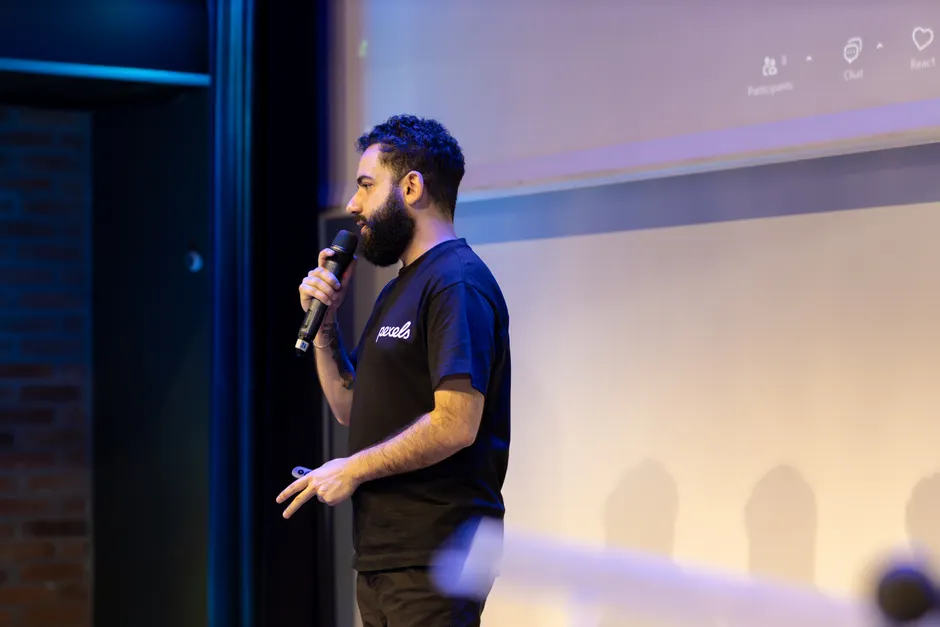
That picture comes from an Oct. 15, 2026 interview in The Verge's Decoder with Benn Jordan about Flock Safety, automatic license plate readers, and the privacy backlash. The Verge
Jordan is described as a musician, YouTuber, researcher and investigative journalist who has made Flock a long-running focus. He testified before the Senate Judiciary Committee's Subcommittee on Crime and Counterterrorism at a hearing on Flock and other ALPR systems. He also speaks directly with Flock, including CEO Garrett Langley, and reports security vulnerabilities to the company when he finds them.
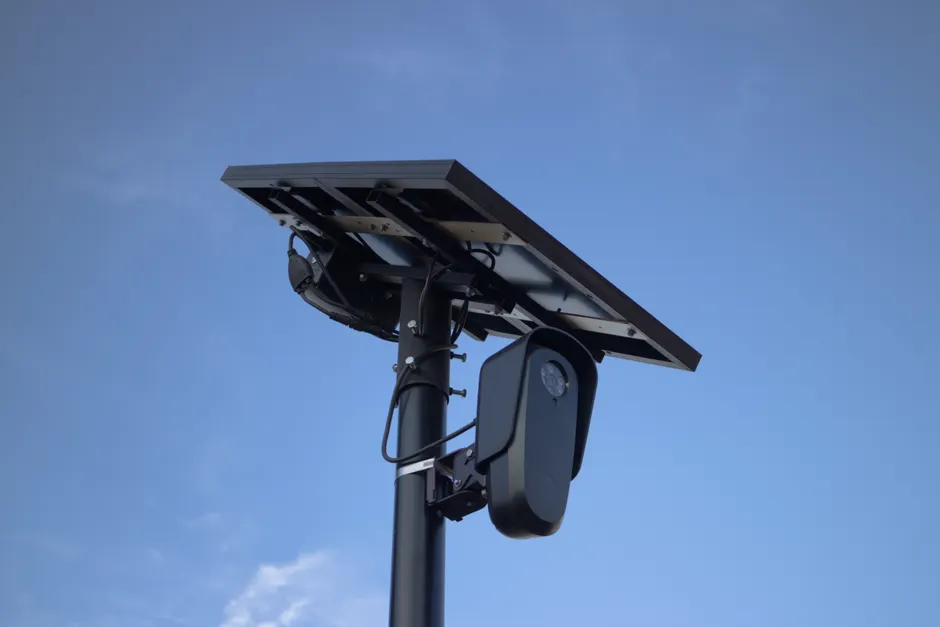
Flock Safety makes automatic license plate readers, or ALPRs, and the software behind them. The cameras use AI to identify and track vehicles by license plate number, make, model, color and other attributes. The Verge The key idea is vehicle search across many fixed cameras, not one live feed. A query searches stored sightings by location, more like a searchable inbox of car observations.
The cancellations come with pressure on several fronts. Flock Safety is under investigation by Republican Sen. Josh Hawley. U.S. states are reconsidering policies around license-plate reader technology like Flock Safety's AI-powered cameras. Reuters The cameras have drawn nationwide backlash over privacy concerns and police abuse, and have become an issue in the midterm elections. ABC News
The business effect is direct. Flock Safety plans to cut about 18 percent of its workforce. That followed an offer of voluntary separation packages to staff, reported on Oct. 9. The Hill Reuters separately described growing scrutiny from regulators, lawmakers and privacy advocates. Reuters
Security research is a separate thread. Livestreams linked to dozens of Flock's AI-powered cameras were left open on the internet for anyone to watch. The Verge The AJC reported that a researcher accessed Flock cameras that had no passwords. AJC Flock Safety says its network of more than 120,000 law enforcement cameras has never been hacked. The company says every device runs on the same secure platform with built-in privacy, accountability, auditing and compliance controls.
Data retention and search scope are central to Flock's stated guardrails. Flock Safety recommends a 7-day ALPR data retention period and introduced Evidence Mode to preserve specific data for active investigations. Flock Safety The company cut its default retention from 30 days. It says its ALPR system does not use facial recognition and that searches are based on vehicle details, not people. It describes ALPR as limited to discrete observations of vehicles on public roadways, captured only where ALPRs exist.
Public measurement is still limited but entering the record. Reuters/Ipsos polled 1,000 Americans about Flock AI cameras, as states revisit license-plate reader policy.
The broader context here is procurement and data rules, not only camera hardware. Retention windows, role-based access or who can search, audit logs or records of who searched, and cross-agency sharing rules decide how much exposure a town accepts with networked ALPR. Shorter defaults with special saving for active cases lower stored data. They do not settle questions about unauthorized access, misconfigured cameras, or use outside stated policy. Those are systems problems.
In my view, infrastructure veterans will recognize the pattern. A sensor network grows faster than the rules for it. Local contracts get signed. Sharing expands quietly. Then an incident or investigation forces a central review of retention, access controls and oversight. ALPR is following that path. The hopeful outcome is better defaults and checkable auditing becoming normal purchase requirements, which would leave police with a narrower but more defensible tool and residents with clearer limits on routine collection.