Kenya confirms four more Ebola cases, total reaches seven

Kenya confirmed four new cases of Ebola disease caused by the Bundibugyo virus on October 17, bringing the country's total confirmed cases to seven, according to Al Jazeera.
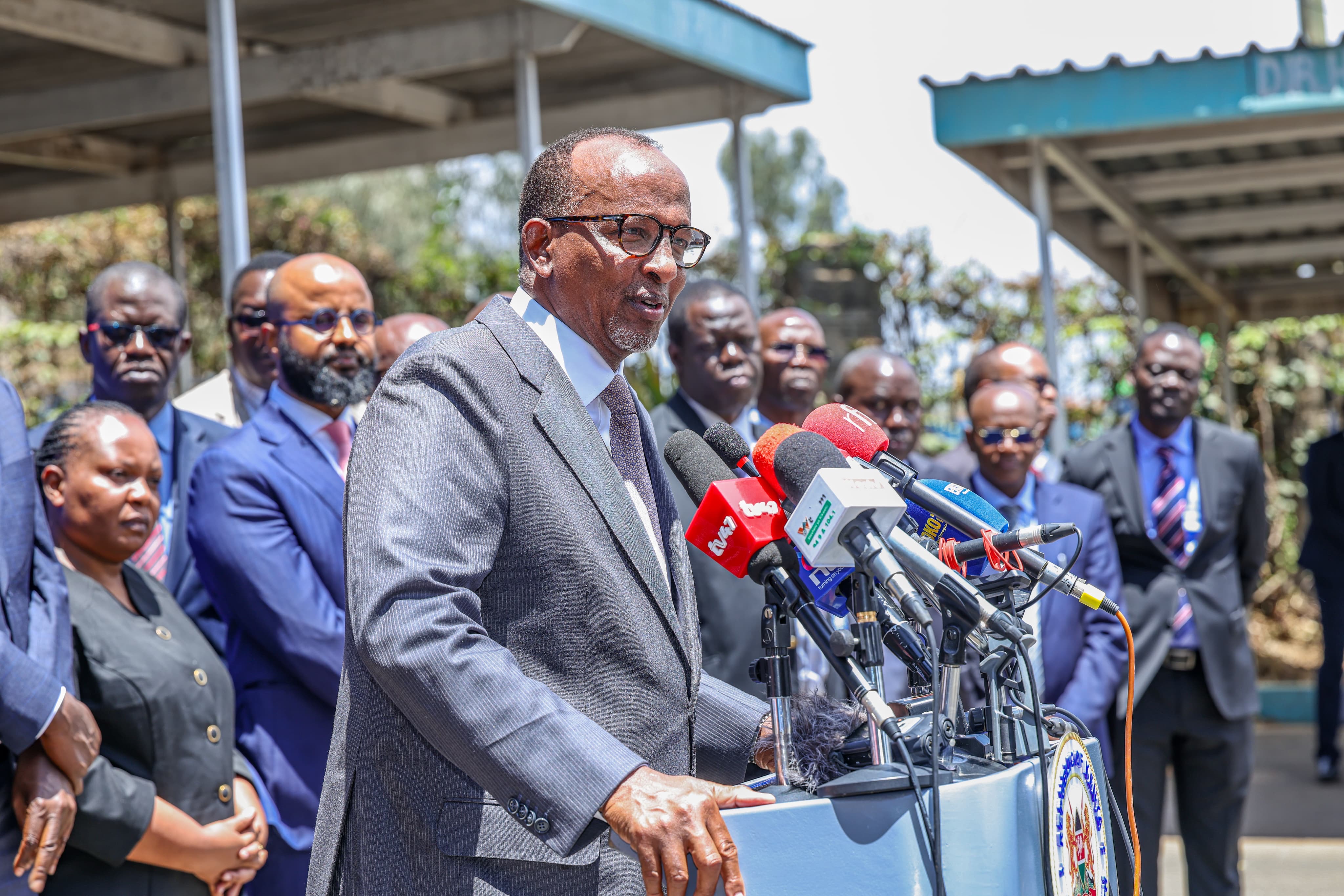
Three of the four new patients were health workers who had treated the country's first Ebola patient. The fourth was a relative of that first patient, who died from the disease. The relative had been in quarantine since October 6.
Health authorities described the four as the first known infections transmitted inside Kenya. The first patient, a Kenyan citizen, died on October 5 after being ill in the Democratic Republic of Congo for a month and flying to Nairobi on October 3. That October case was the country's first-ever recorded Ebola infection.
A second case, a family member of the first patient, was reported on October 14, about a week after the first case, according to Reuters. Earlier, as of October 11, health officials had reported no new cases after conducting 293 tests since the first patient's death, according to Reuters.
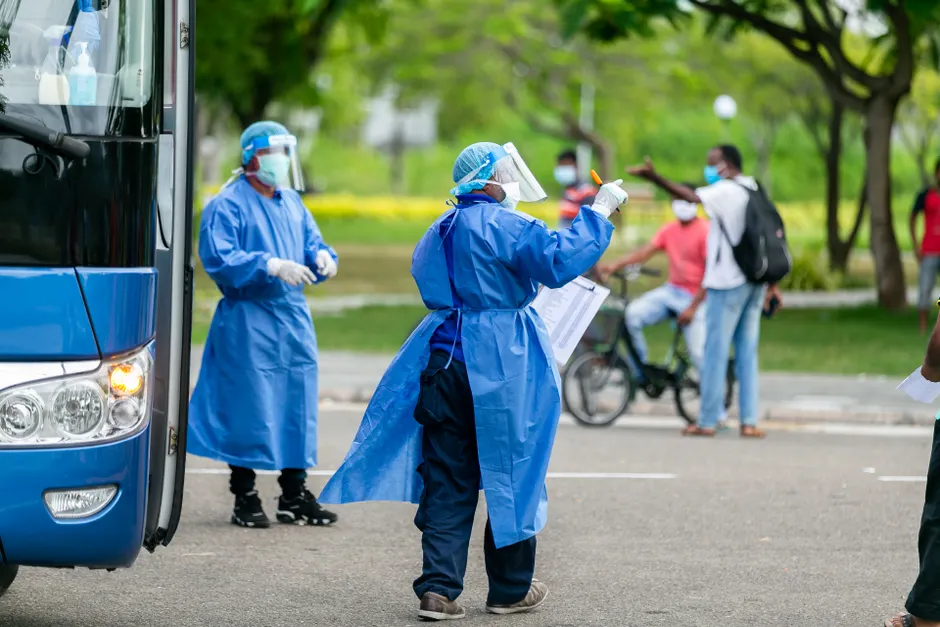
Kenya's Health Ministry said 128 of the first patient's 130 contacts, or 98.5%, had been quarantined. Contact tracing, the process of finding and monitoring people who may have been exposed, is central to containing Ebola, which spreads through close contact with the bodily fluids of an infected person.
Kenya's cases are linked to the epidemic in the DRC, which had recorded more than 9,000 cases and more than 4,300 deaths since it was detected in May. The dominant strain in the outbreak is the Bundibugyo strain, one type of Ebola virus, for which there are currently no vaccines or treatments.