Samsung's Earnings Beat Backfired: What the Stock Selloff Really Signals
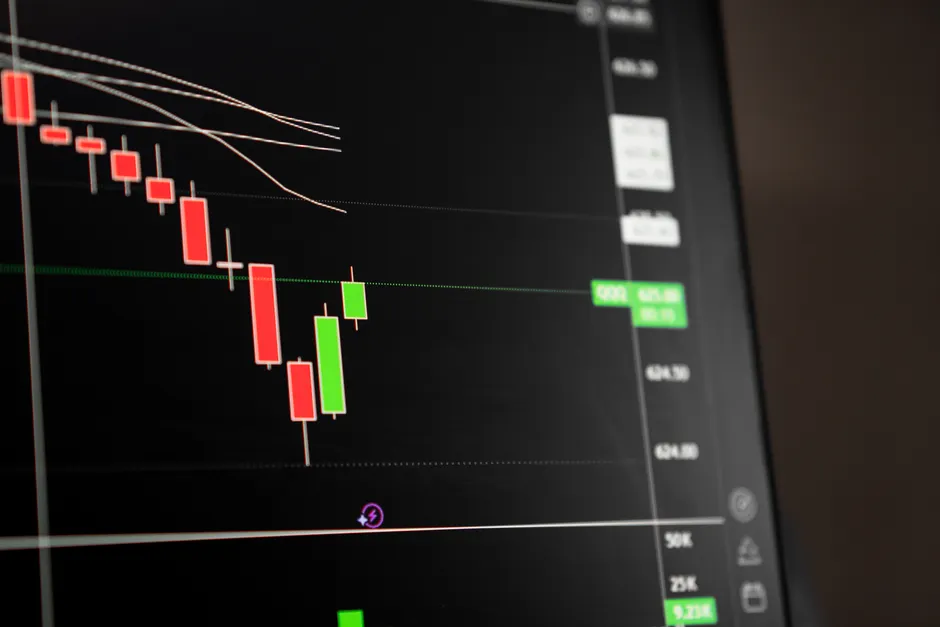
Samsung Electronics shares fell as much as 10% on July 7, 2026, despite guidance pointing to a roughly 19-fold year-on-year jump in second-quarter operating profit Reuters. The stock opened at 309,000 won, down 2.83% from the prior close, then dropped below 290,000 won during the day Chosun. The mismatch between a strong earnings beat and a sharp selloff is worth understanding — it reveals something important about how investors are positioned and how willing they are to take risk right now.
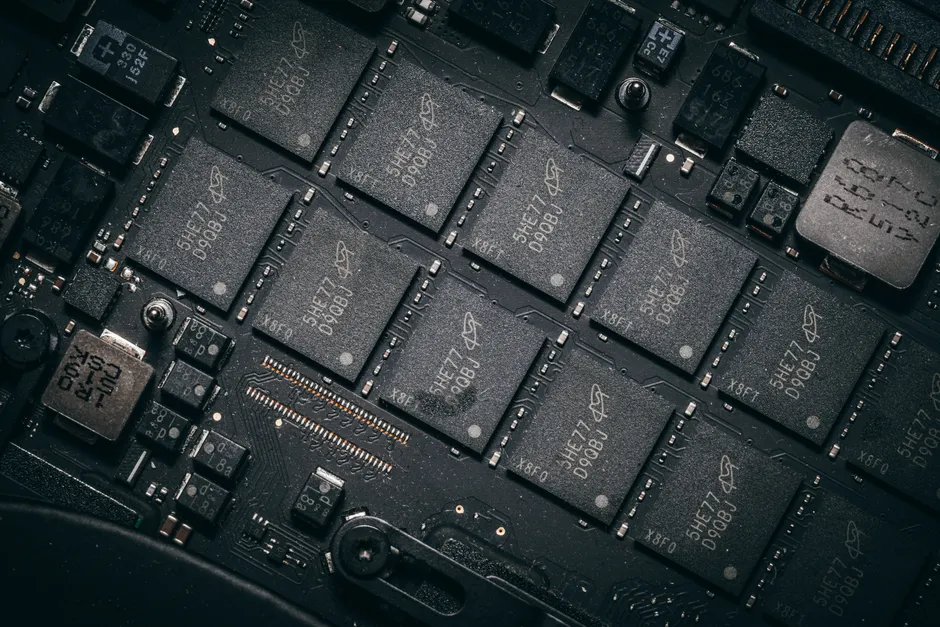
Samsung's numbers themselves are clear: a 19-fold rise in operating profit reflects a sharp recovery in DRAM and NAND pricing (the memory chips that go into data centers, phones, and AI systems). This fits the memory upcycle story that has driven semiconductor stocks broadly over recent quarters. The company's previous guidance disclosures in April and its formal earnings schedule announcement also followed standard procedure Samsung IR. Nothing about the process was unusual.
What was unusual was the stock falling on numbers that beat expectations. Reuters attributed the slide to broader concerns about AI-related stocks, not to anything specific in Samsung's own guidance Reuters. That distinction matters. A beat-and-sell-off pattern typically signals that expectations, or the way traders had positioned their portfolios, had already moved ahead of even strong results. It's sell-the-news: after a stock has run hard on a sector narrative, investors often take profits when the news finally arrives, no matter how good it looks. Whether this is simple profit-taking, a recalculation about how long AI-driven memory demand will last, or something tied to Samsung's own margins and manufacturing efficiency isn't clear yet — the company hasn't released detailed segment breakdowns.
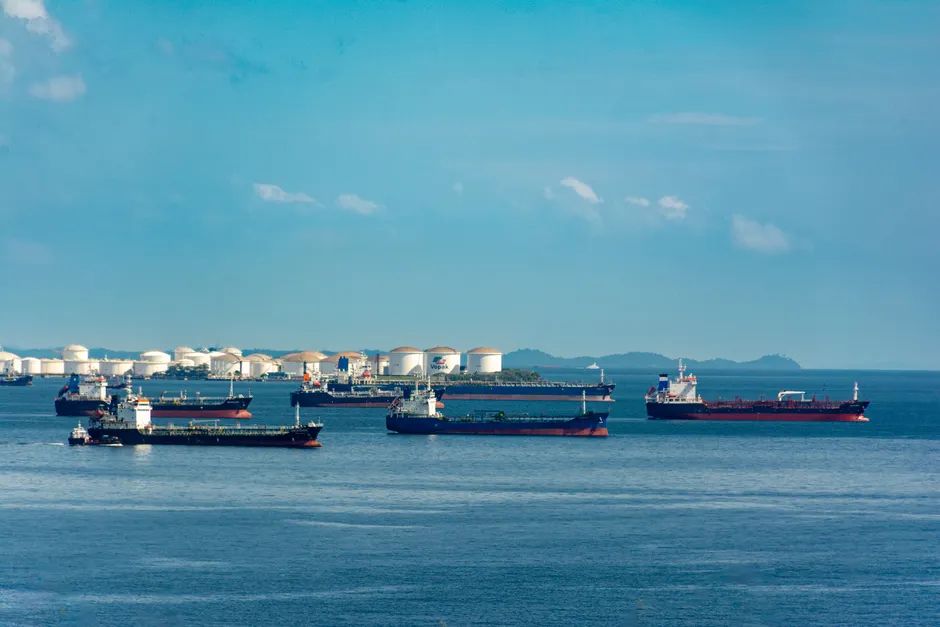
The timing amplifies the pressure. On the same day, escalating tanker attacks in the Strait of Hormuz hit headlines. Iran's Revolutionary Guards fired at least two missiles at commercial ships overnight, including a Qatari gas tanker, according to multiple sources Times of Israel. UKMTO (the international maritime authority) confirmed a tanker off Oman's coast caught fire after being struck by a projectile NBC News. Multiple outlets corroborated the incident SCMP CNN.
This is part of a pattern, not an isolated event. UKMTO Warning #55, issued May 5, 2026, reported a cargo vessel struck by an unknown projectile in the strait UKMTO. In mid-June, traders were pricing in crude futures near pre-war levels while betting that Hormuz traffic would remain disrupted WSJ. By late June, Brent crude futures moved higher on fresh reports of Iranian strikes WSJ. What we're seeing across May, June, and early July is recurring strikes rather than a one-off shock, with geopolitical risk staying baked into oil prices even as headline crude has drifted toward pre-war levels.
For traders and portfolio managers, these two stories don't connect on fundamentals — Samsung's guidance tells you about memory chip pricing and AI-related demand; the Hormuz attacks are a supply-side energy and shipping problem that affects tanker rates, crude benchmarks, and flows into regional stock markets. But when both hit at once, the effect is to compress risk appetite across Asian equities generally. Samsung, as the largest component of the KOSPI index and a barometer for the memory cycle, absorbs outsized selling regardless of its own earnings strength.
The real question ahead is whether these disruptions last. So far, Hormuz incidents over two months haven't triggered a sustained crude breakout, which suggests markets are pricing in continued harassment-level attacks rather than a full closure. Whether that view holds now that a Qatari-flagged LNG tanker was directly targeted — with real implications for liquefied natural gas supply chains — is what oil traders will be modeling this week, separate from any recalculation happening in Samsung's valuation.