US Fossil Power Is Back in the Pipeline as Demand Surges
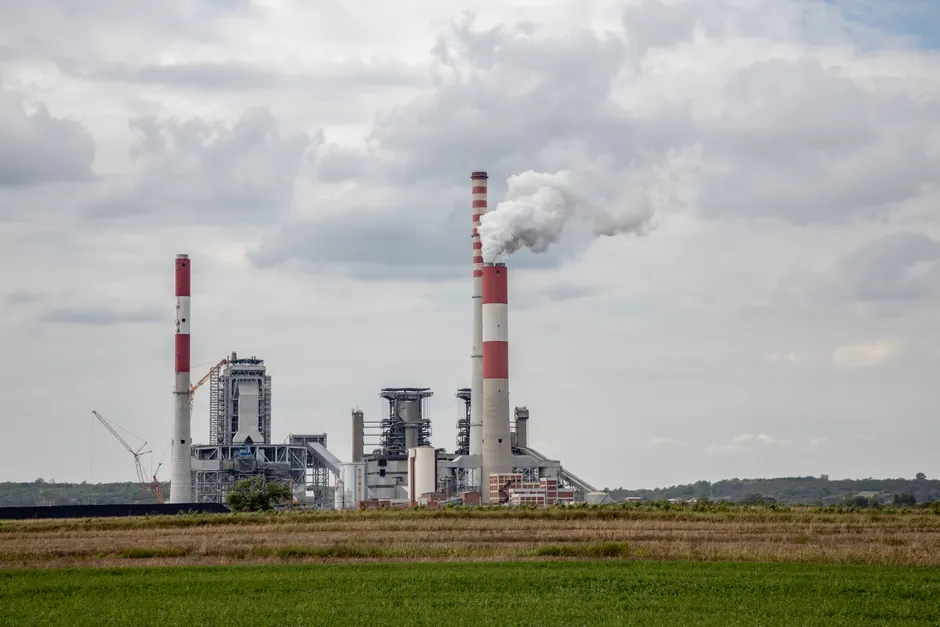
The United States is adding fossil-fuel power plants at the fastest pace in a decade, while growth in renewables has slowed. Electricity demand is rising faster than it has in more than a decade, driven by data centers, factories and electric vehicles.
That assessment comes from a report published Oct. 19 by the nonprofit Environmental Defense Fund and research firm Atlas Public Policy. The report uses data from the US Energy Information Administration to track the development pipeline, the list of planned power projects, for new generation capacity The Verge.
Plans for new fossil-fuel plants rose from 5 percent of all new capacity in 2024 to 30 percent by the second quarter of 2026. Planned fossil capacity would reach 68 gigawatts by 2030, a standard unit for measuring large amounts of power. That is a 45 percent jump from construction plans six months earlier. If the trend continues, fossil fuels could make up 70 percent of the pipeline by the end of the decade.
The driver is load growth, the industry term for rising electricity use. The EIA expects US power use to set record highs in 2026 and 2027 as AI use surges, according to projections reported in early October Reuters. The agency has separately warned that US fossil-fuel generation could rise over the next two years as surging use by data centers tightens power supplies Reuters.
The longer outlook points the same way. The EIA published the Annual Energy Outlook 2026 in April and projects overall US electricity demand will grow between 25 percent and 50 percent by 2050 EIA. Demand from electric vehicles and data center servers will account for between 50 percent and 80 percent of that growth to 2050.
The starting mix is still fossil heavy. The US still generates 60 percent of its electricity from fossil fuels. Coal continues to lose share. The EIA projects the coal share of power generation will slide from 17 percent in 2025 to 16 percent in 2026 and 15 percent in 2027 as renewable output rises.
That shift followed a year in which wind and solar together produced more electricity than coal for the first time in 2024. Solar was the fastest-growing source of new electricity in 2024, accounting for 81 percent of added capacity. Globally, renewables overtook coal in electricity generation, with clean power meeting all demand growth to halt the rise in fossil generation. Combined low-carbon sources including renewables and nuclear grew faster than electricity demand, producing a small fall in fossil generation, according to Ember analysis published in April Ember.
Two separate studies put numbers on cost and emissions from using thermal generation, power made by burning fuel, for added data center load. Meeting data center demand growth with a fossil-fuel-heavy approach would add an estimated $29.7 billion per year, according to Energy Innovation Energy Innovation. Added fossil generation to power data centers increases annual CO2 emissions from US power plants by 19 percent, according to the Union of Concerned Scientists Data Center Power Play report. The International Energy Agency expects rising use of renewables and later nuclear to slow the growth of fossil power generation after 2030.
On public opinion, 56 percent of voters support limits on building data centers, according to a Reuters/Ipsos poll reported Oct. 8 Reuters.
The broader context here is procurement speed versus connection speed. Gas turbines and life extensions for existing fossil plants can be approved and financed on timelines that match hyperscale data center construction. Transmission expansion, reform of the interconnection queue, the waiting list for new projects to connect to the grid, and firm clean power take longer to deliver. In my view, that timing gap explains much of the swing from 5 percent to 30 percent. It is less about cost per unit of electricity than about which megawatts can be secured before demand arrives.
In my view, the next two planning cycles matter more for technologists than scenarios for 2050. Near-term choices lock in dispatch profiles, how plants run hour to hour, dependence on grid support services, and carbon intensity for years. Worth flagging, the same load pulling gas into the queue also creates a large, creditworthy buyer pool for round-the-clock clean power, longer-duration storage and grid-enhancing tools, if permitting and connection rules let those options compete on delivery time. I have watched my own children adopt each new wave of computing without thinking about the substation behind it. The grid has absorbed that pattern before. This time we will see the strain first in project queues, wholesale prices and emissions records, and that visibility creates room to build cleaner capacity that can keep up.