Baseus PrimeSentinel U2 Pro: Dual-Camera Outdoor Security With Tracking Spotlight
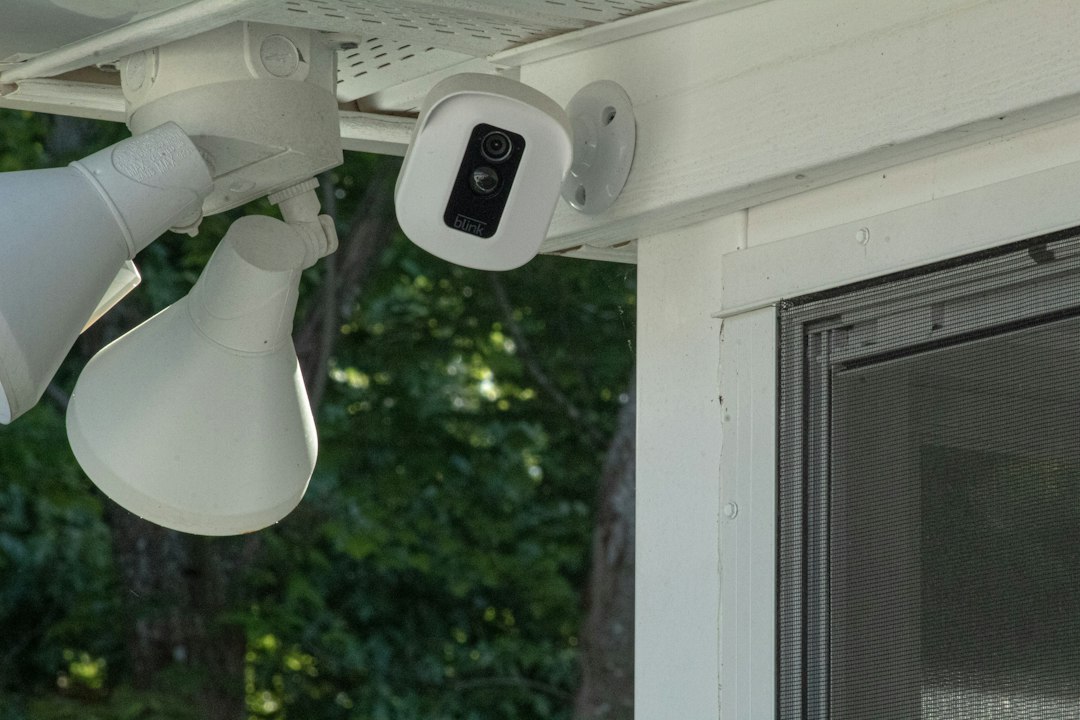
Baseus has announced the PrimeSentinel U2 Pro Outdoor 3K Dual Camera, a wireless outdoor security camera on sale in the US through Amazon for $269.99. European availability starts October 15 at €269.99, according to The Verge.
The system uses two 3K cameras, meaning high-resolution video sharper than standard 1080p HD. One camera stays fixed for wide coverage of a yard or driveway. The second can pan 360 degrees, tilt and zoom to follow a person or vehicle for a closer look. A motorized spotlight moves with the target to keep it lit, and the camera provides full-color night vision for identification in low light.
For software, AI-based analysis creates motion alerts with short summaries. It tells people, pets and vehicles apart and flags events such as package deliveries. Recording is event driven, so video is saved only when motion is detected instead of running continuously.
Storage stays local on a 512GB encrypted memory card, where encryption scrambles the data to block unauthorized access. Saved clips can be viewed from elsewhere in the Baseus mobile app, while live video can be checked on Amazon Alexa or Google Home devices.
Baseus claims installation takes about two minutes with wall or ceiling mounts. The camera connects wirelessly and runs on a rechargeable battery rated for up to 150 days. A bundled 3W solar panel tops up the charge, with 40 minutes of sun stated to provide enough power for a full day of use.
The broader context here is the balance outdoor cameras must strike between coverage, power and storage. Using two separate sensors avoids the common PTZ, or pan-tilt-zoom, tradeoff, where zooming in on one subject means losing the wide view. One fixed view holds the full scene while the second follows the action, and the tracking spotlight adds deterrence by keeping the subject lit and visible.
Looking at deployment, power use and storage are closely linked. Saving video only on motion limits wireless transfers and writes to the card, which is what makes long battery life and solar charging workable in principle. Local storage keeps video on site and available through the app, while smart-display support puts live checks where people already look. Placement still requires judgment, weighing sun exposure for charging against the best viewing angle, and on-card capacity against physical risk.
In my view, the change worth watching is cameras that sort information before they notify. Summaries by people, pets, vehicles and packages reduce alert fatigue more directly than higher resolution alone. Resolution helps after an event. Sorting helps decide whether to look at all. If the handoff between fixed and moving views works reliably and the solar numbers hold up in real yards, this dual-camera design lowers the barrier to steady outdoor coverage without running cables for power or data.