Tom Lee Calls the AI Stock Pullback a Buying Opportunity

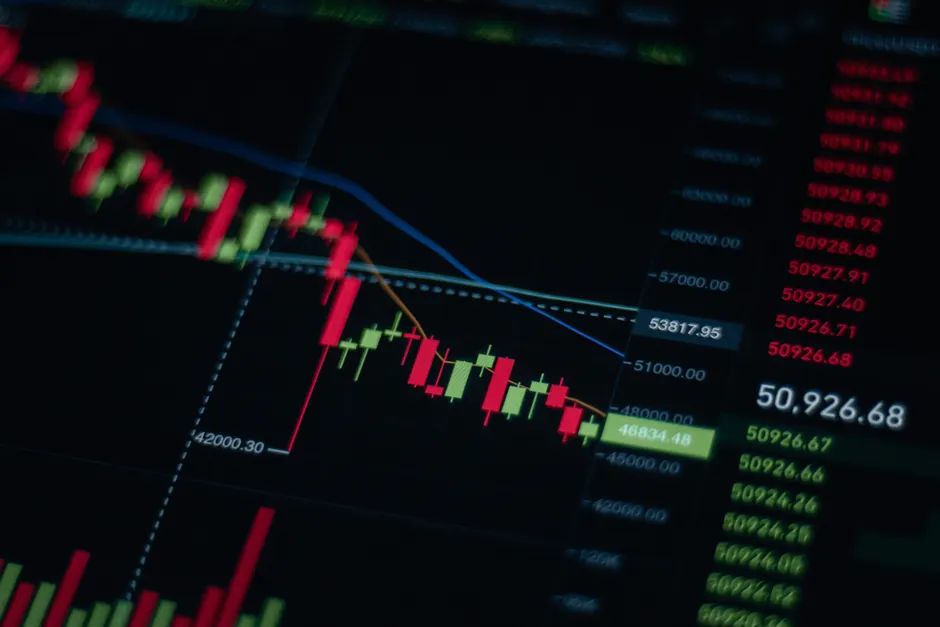
Tom Lee says the recent pullback in artificial intelligence stocks is an opportunity to buy. A pullback means a short, sharp fall in prices. That assessment was reported Oct. 19, 2026, according to Yahoo Finance.
Lee is head of research at Fundstrat, as cited in MarketWatch reporting. Thomas J. Lee is Co-Founder and Managing Partner at Fundstrat Global Advisors, according to Fundstrat. The same listing names his prior post as J.P. Morgan's Chief Equity Strategist from 2007 to 2014. It also lists Mark L. Newton as Head of Technical Strategy, Sean Farrell as Head of Digital Asset Strategy at Fundstrat Global Advisors, and L. Thomas Block as Washington Policy Strategist.
Lee spoke on stage at Hong Kong Consensus 2026, as reported Feb. 11, 2026 by Yahoo Finance. There he told investors to stop timing the bottom and start buying the dip. The remarks were aimed at traders debating when to get in during volatile trading.
In September 2024, Lee forecast a 7% to 10% drawdown in U.S. stocks over the next two months and called it a buy-the-dip opportunity, according to MarketWatch. A drawdown means how far the market falls from its recent high. The call gave both size and time frame.
MarketWatch published a story July 28, 2026 about a semiconductor sell-off that cites a lesson from Cisco Systems and includes commentary from Lee. A semiconductor sell-off means chip stocks fell together. The story focused on investor reaction to weakness in semis and used Cisco Systems as a historical reference point.
The broader context here is process, not a single price call. Lee has repeatedly framed pullbacks as moments to add exposure rather than signs the uptrend has failed. The September 2024 band of 7% to 10% put a number on that idea. The February 2026 language gave it a rule. Timing is the hard part. The October 2026 comment applies the same approach to AI leaders.
In my view, trading desks will read this as a positioning statement, not a valuation argument. A 7% to 10% fall sits inside normal correction range for broad stock market risk, but it still forces choices on how much risk to carry, how concentrated to be, and how long hedges should last. Specialists will watch market breadth, implied correlation, and whether price weakness matches cuts in earnings forecasts. That is where a wider team helps, with separate heads for technicals, digital assets and Washington policy feeding one stock view.
Looking at what this means for risk management, the line between timing the bottom and buying the dip matters for how money is put to work. Timing the bottom means betting on one low point. Buying the dip means buying in stages, with a clear exit level and room for further paper losses. The message has stayed consistent. People following this framework will pay less attention to the bullish headline and more to how far the fall goes, how long it lasts, and whether leadership rotates before any lasting recovery.