Gemini in the Car Gets Personal: How Google's Update Works

Google announced on October 20, 2026 that Gemini in vehicles will gain Personal Intelligence, a personalization layer that lets the in-car assistant use context from a driver's connected Google services. TechCrunch The rollout comes in two stages. Personal Intelligence with Gemini launched in Android Auto on October 20, 2026. Google plans to expand it to cars with Google Built-in in the coming months.
Opt-in is required. Drivers must opt in for Personal Intelligence in the vehicle to function. Users can turn it on or off at any time and can choose which apps to connect. The setting covers a shared vehicle and enterprise-managed accounts where calendar or mail access in the car may be left off.
When enabled, Personal Intelligence can draw on Gmail, Google Calendar, YouTube, Maps, Google Search history, and other connected Google services. Google describes Personal Intelligence as connecting the Gemini app to users' Google apps to provide more personalized suggestions. Google In the car, that access works through voice in everyday language. Google cites asking for a flight gate and whether the flight is on time together, a request that pulls together identity, calendar or mail detail, and live flight data in one turn. It is not limited to one app at a time. It is intent resolution, meaning working out what the driver wants, across several personal data stores plus live lookup.
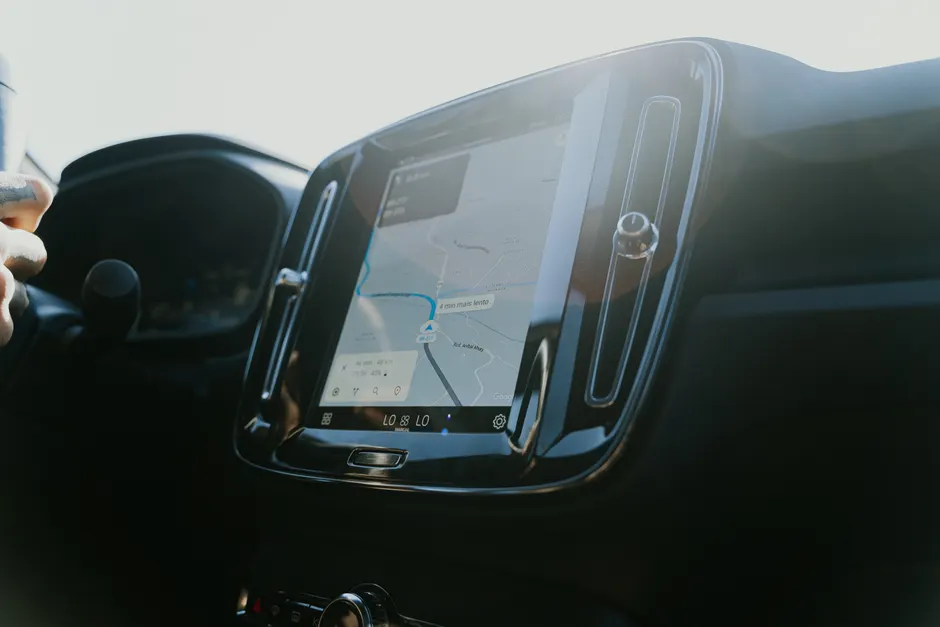
How it reaches the driver depends on the integration path. Android Auto is an app that runs on the user's phone and wirelessly communicates with and projects navigation, media, and messaging to the vehicle's infotainment system. Google Built-in is software and services directly integrated into the vehicle. Use of Gemini in Android Auto requires an Android phone and a car that supports Android Auto. PCMag
The announcement follows a year-long sequence. Google first launched Gemini in Android Auto in November 2025. Personal Intelligence rolled out across the U.S. in March 2026. As of October 20, 2026, it is in beta in global markets. Google states that Gemini rolling out to Android Auto offers a more conversational AI assistant experience, including using natural language to add stops. Google Google separately states Gemini is now widely available in Android Auto to help drivers get more done, brainstorm ideas or learn something new while driving. Google For native systems, Google states Gemini is replacing Google Assistant in cars with Google Built-in. Google There, the company states Gemini offers a more natural, conversational way to manage navigation and music. Google previewed additional Gemini-powered Android Auto and Google Built-in features at I/O 2026 focused on driving assistance. Mashable
The broader context here is a shift from assistant as launcher to assistant as context broker. Voice control for navigation and media playback is settled. The open task is handling multi-step, personal jobs without making the driver look at a screen or repeat context. Pulling mailbox and calendar signals together with Maps routing and Search history lets one spoken request do work that once took several app switches.
From a practical standpoint, the controls will count as much as the capabilities. Permission detail, where processing happens on the phone or car versus in the cloud, how long voice transcripts linked to personal data are kept, and what happens when a linked account is unavailable will shape whether drivers trust it. The opt-in default and per-app switches are a solid start. Clear records of what was accessed come next, especially for fleets.
In my view, the hopeful case is plain. Driving limits what hands and eyes can do, so well scoped personalization can lower mental load. If Gemini can answer the combined question, find the gate, check the delay, adjust the route, add a charging or fuel stop, all without touch input, that returns time and attention to the road. That result, more than smoother chat, is the test that counts.