Gemini Arrives in Google Maps on CarPlay With Multi-Step Voice Requests

Google has begun rolling out its conversational Gemini assistant inside Google Maps for Apple CarPlay, and The Verge reports that the feature is available today for US drivers. The update is dated October 21, 2026.
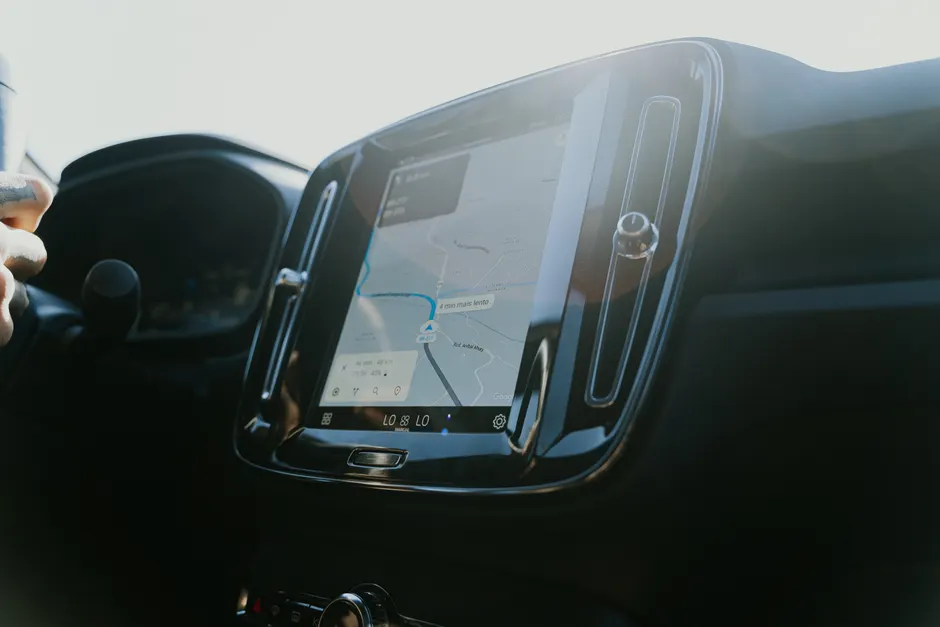
The entry point is a Gemini icon at the bottom right of the Maps interface on the car's infotainment display, the built-in screen that handles navigation and media. Tapping it opens a voice session. Engadget describes the icon placement, and The Verge notes that the same tap activates the conversational mode.
The feature handles multi-step requests in a single exchange. The Verge's example is a driver asking for place recommendations and then having route directions set to avoid toll roads. Google says Gemini is particularly suited to multi-part questions, such as asking which nearby park is known for views over the city, according to Engadget. Google positions the feature for two uses in particular: reporting traffic disruptions and finding information about stops and places while driving.
Engadget reports that Google is rolling it out to CarPlay users in the US and throughout the world, and that the update may take a few days to reach a given device. Google has said the rollout is global as well.
The CarPlay launch follows a longer sequence on Android. Google's Android Auto rollout of Gemini, which the company announced in a November 2025 blog post as a more conversational assistant that can add stops through natural language, came roughly 12 months before this CarPlay navigation launch. A May 2025 Google post had described Gemini for cars as hands-free help connected to Google Maps and the user's data, then described as coming soon. Google also said in November 2025 that Gemini in Maps would show landmarks such as gas stations, restaurants and famous buildings in its navigation, alongside traffic lights and stop signs. In March 2026, Google introduced Ask Maps, a Gemini-based conversational experience designed for complex questions.
One difference stands out. The Verge reports that the CarPlay navigation update does not mention Personal Intelligence, the feature that lets Gemini draw on data from Gmail, Calendar, Maps, Photos, YouTube and Search. Google announced Personal Intelligence the day before for Gemini in Android Auto and cars with Google built-in. Engadget, citing Google, says Personal Intelligence improves Gemini's reasoning and provides more specific answers using data from a user's other Google apps when that setting is enabled. The CarPlay update is about conversational navigation and place search rather than personal-data retrieval.
In my view, the more useful reading of this launch is the change in how drivers issue requests. A conversational interface that accepts a compound request, such as a place search followed by a route constraint, cuts the number of discrete taps and menu steps needed while the car is moving. That is the practical gain. Whether it holds up across accents, road noise and ambiguous place names is something drivers will judge through use.
The broader context here is that the Android and CarPlay tracks are converging on the same assistant and the same Maps backend, while the personal-data layer is rolling out unevenly. For developers and fleet operators, the assistant behavior drivers see will increasingly depend on the platform on the dashboard rather than the phone in the pocket. For drivers, the immediate effect is narrower and concrete: a spoken request to find a place, report a jam or adjust a route can now be made in one sentence on an iPhone-connected car, in the US from today and, according to Google, elsewhere as the rollout reaches devices.