Nigeria Confirms Ebola Case; Uganda Disputes Travel Account

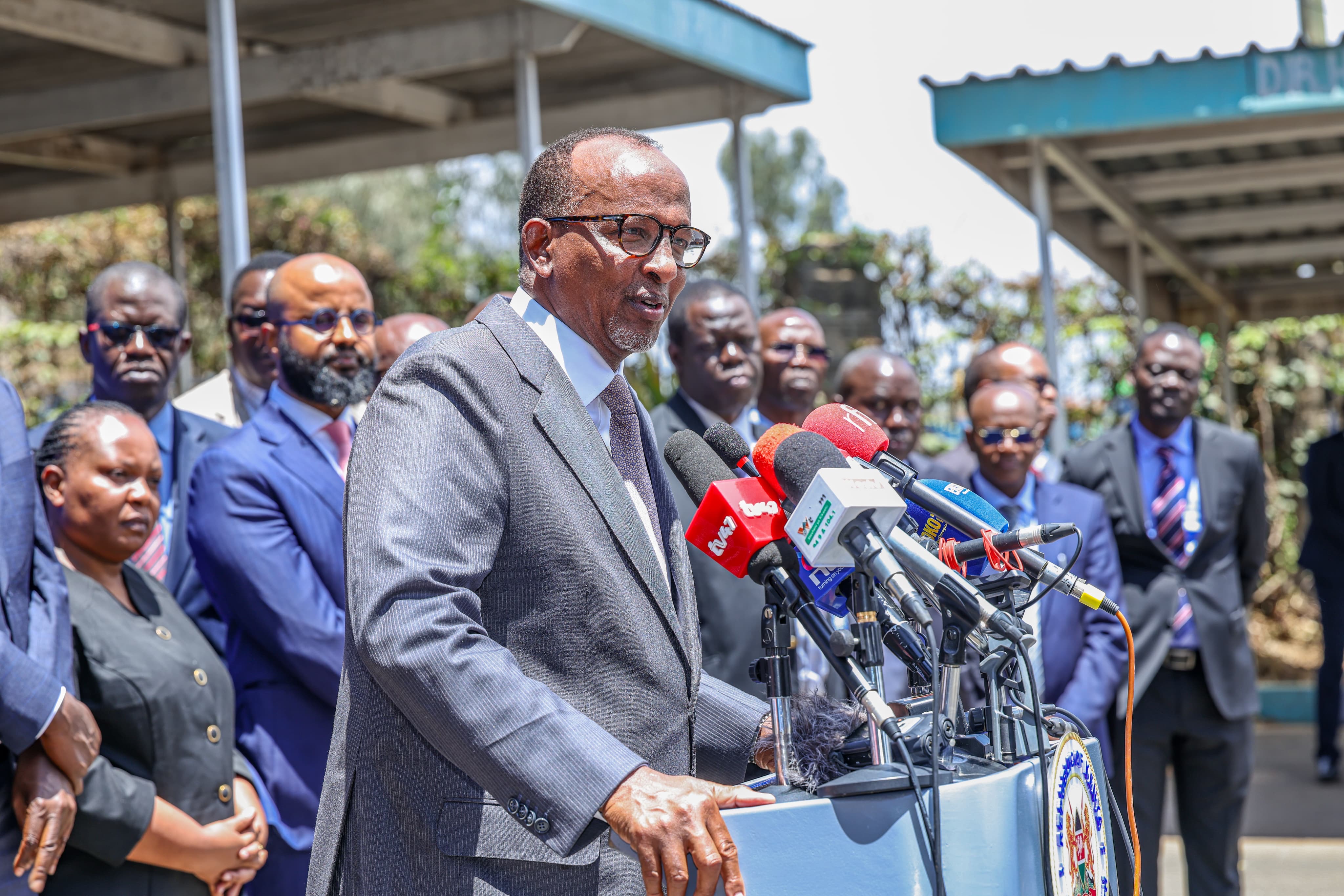
Nigeria has confirmed an Ebola case in Abuja, its first confirmed case since the outbreak in East Africa began in May, according to Jean Kaseya, who heads the Africa Centres for Disease Control and Prevention (Africa CDC). Ebola is a serious viral illness, and this case involves the Bundibugyo species of the virus. Kaseya told the BBC that the patient is the wife of a diplomat who travelled to Uganda's capital, Kampala, for a holiday.
Nigeria's health minister, Muhammad Ali Pate, said the patient is a 42-year-old woman who spent two and a half weeks in Kampala and made a two-hour stopover in Addis Ababa, the capital of Ethiopia, on her way back. Kaseya said she is originally from Uganda and was based in Abuja. She arrived home in Abuja on 3 October, and Kaseya said she fell ill three days later.
Uganda's ministry of health has given a different account. In a statement, it described the woman as a Nigerian national who went to eastern Democratic Republic of the Congo for business and only passed through Uganda. The ministry also said there were no confirmed active Ebola cases in Uganda at the time. Uganda had declared itself officially Ebola free in July, saying it had discharged its last confirmed patient on 16 June.
According to Kaseya, the woman first went to a private hospital believing she had malaria, a common illness with similar early symptoms. She then went to a second private hospital and was admitted on the 11th. Nigerian public health authorities were alerted on Monday 19 October after her condition did not improve, Pate said. Three laboratory tests confirmed the diagnosis the following day, Tuesday 20 October.
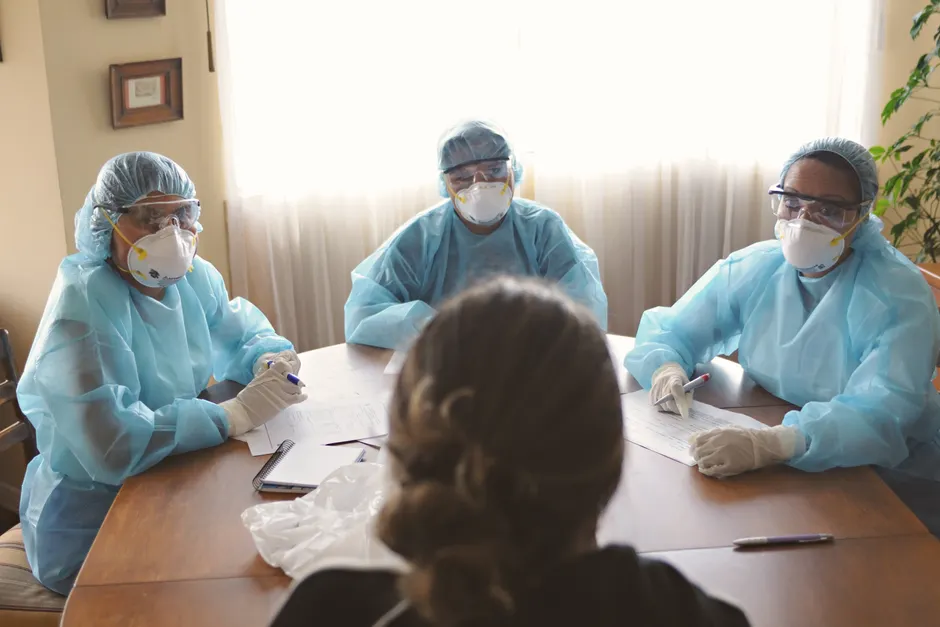
Nigerian authorities have identified 44 people who had contact with the patient. None are known to have developed symptoms, and all are in isolation, meaning they are separated from others while they are monitored. Pate said the patient herself is in isolation and receiving medical care.
The wider outbreak is much larger. The European Centre for Disease Prevention and Control reports that the outbreak in the Democratic Republic of the Congo, which began in May, has killed at least 4,600 people and recorded more than 9,500 cases. As of 19 October, according to the World Health Organization's regional office for Africa, it had affected 66 health zones across eight provinces. Kenya confirmed an imported case of the Bundibugyo virus on 6 October.
Nigeria's Centre for Disease Control, which issued a public health advisory on the Bundibugyo virus in May, has noted that no approved vaccines or specific treatments exist for Bundibugyo Ebola virus disease.