Meta's Muse AI Agent Passes 10 Million Users, With Shopping Among Its Top Uses

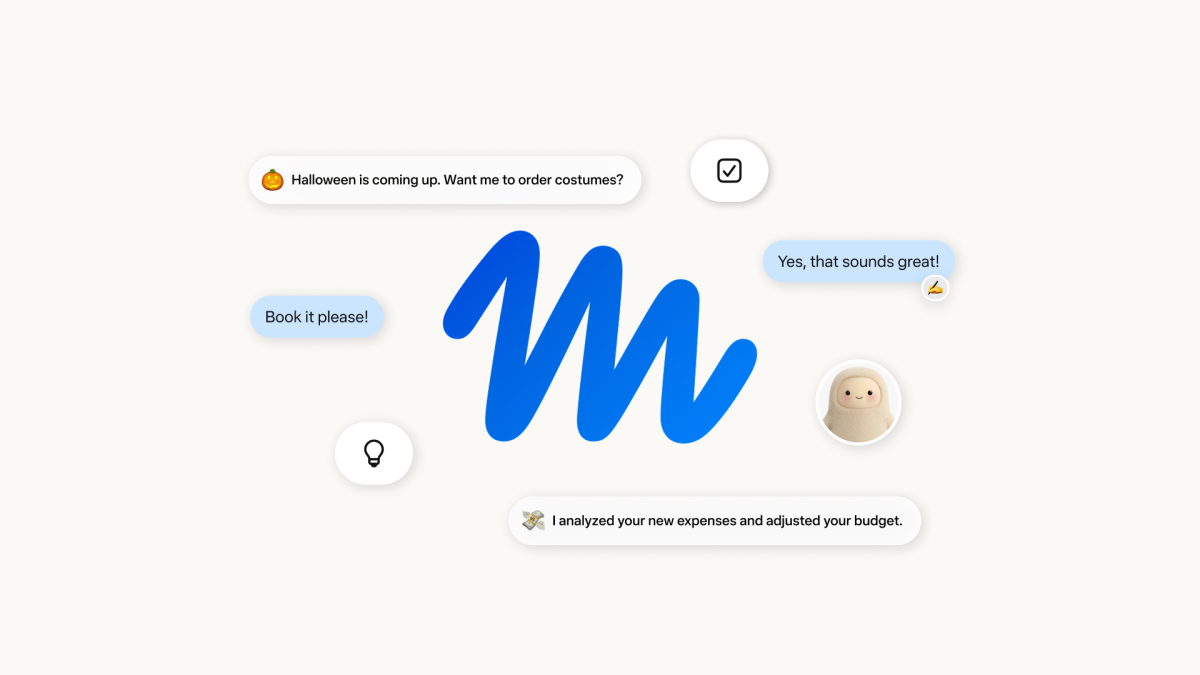
Meta said on its third-quarter 2026 earnings call on Wednesday, October 21, that its AI app Muse has more than 10 million users. TechCrunch Mark Zuckerberg said about 25% of people who set up Muse use it daily, and that shopping is among its top activities.
The user disclosure followed market estimates. Sensor Tower data, reported by Yahoo Finance, showed Muse had accumulated 10.9 million downloads since its launch on September 8, 2026. Downloads and active users are different measures: a download records an install, while an active user is someone who keeps returning to the app.
Shopping is where Meta points to its most concrete engagement. Zuckerberg said over a quarter of Muse's engaged users who shopped through the agent had an average purchase size above $200. Muse uses Plaid's connector, a data aggregator that links apps to users' bank and other financial accounts, to enable agentic shopping. Plaid told Meta it had not seen activity like this on any other service through its connector. Beyond commerce, popular uses include personal productivity tasks, such as connecting the agent to email or calendars.
Muse can complete checkouts using Link, the payments product built by Stripe. Meta's newsroom describes Muse as the first AI agent covered by Link's purchase protections. The agent was introduced on September 8, and Meta has since added Muse for Small Business, a background agent aimed at helping small businesses reach their goals, announced in late September.
In October, Meta introduced Muse Wonder and Muse Wonder Full, with Muse Wonder available to developers and builders through the Meta Model API. Earlier in the year, Muse Spark, which Meta described as its most powerful model yet, let Meta AI shopping mode search Facebook Marketplace listings alongside options from across the internet. Muse Image, introduced in July, includes a Shop Your Room feature that redesigns rooms with real products from the web or Marketplace.
On data handling, Meta has a Muse Secure VM feature designed to protect user data and privacy. A forthcoming Muse Confidential VM would prevent Meta from seeing users' content. Neither feature is described in the company's statements as available to the full user base on a fixed date.
Zuckerberg said Muse has achieved product-market fit, meaning people use it enough to justify building around it, and that Meta's focus will now shift to scaling the agent, increasing revenue and optimizing compute costs. The company forecasts that Muse will eventually generate more revenue per user than the people who use its family of apps generate today, which is currently around several hundred dollars a year.
The monetization plan is to keep Muse free for most users while taking a percentage of commerce conducted on the platform. Power users who want the most advanced models or more tokens will pay. Zuckerberg also said Meta expects to improve Muse's cost efficiency by more than 10x within the next year, and that Muse will be profitable once revenue reaches scale.
The financial context is a company spending heavily on AI. Reuters reported on October 20 that Meta was set to report revenue growth of 23.8% to $63.42 billion, slowing from about 28% in the prior period, with investors focused on AI spending and Muse adoption. Meta's Reality Labs losses are expected to decline from $19.1 billion in 2025 to $15 billion in 2026. Reuters also reported on September 22 that Jefferies estimated Muse could generate substantial revenue if it reached 1 billion users by the end of 2027 and at least 3% of them moved to a paid version. That scenario is an analyst estimate, not a company target.
The broader context here is a tension that predates these numbers. Reuters reported on September 23 that investors worried Meta's scale could turn Muse into a powerful comparison-shopping tool that helps consumers find lower-cost options. A shopping agent that surfaces cheaper alternatives is useful to the buyer and awkward for any merchant whose margins depend on being found first. Meta's plan to take a cut of commerce places it in the middle of that dynamic.
In my view, the figure to watch is not the 10 million headline but the conversion path from it. A 25% daily-use rate among people who set up the agent is a strong engagement signal for a product that is still young. Whether the commerce take and the paid tier can grow alongside it, and whether the Secure VM and Confidential VM work earns the trust of users who hand an agent their email and calendar, will decide whether Muse becomes a durable platform or a very large free trial.
For developers and small businesses, the more immediate consequence is that agent-based transactions now have a live reference case, with a payments network, a data aggregator and a consumer base all in the loop. If the controls Meta has described work as intended, the same plumbing could let a personal agent handle routine errands that people currently do by hand. The open questions are the ones the company has not yet answered in detail: how the cost curve bends, and how much of the shopping activity survives once the novelty fades.