WeWard's New Feature Locks Your Apps Until You Hit Your Step Count
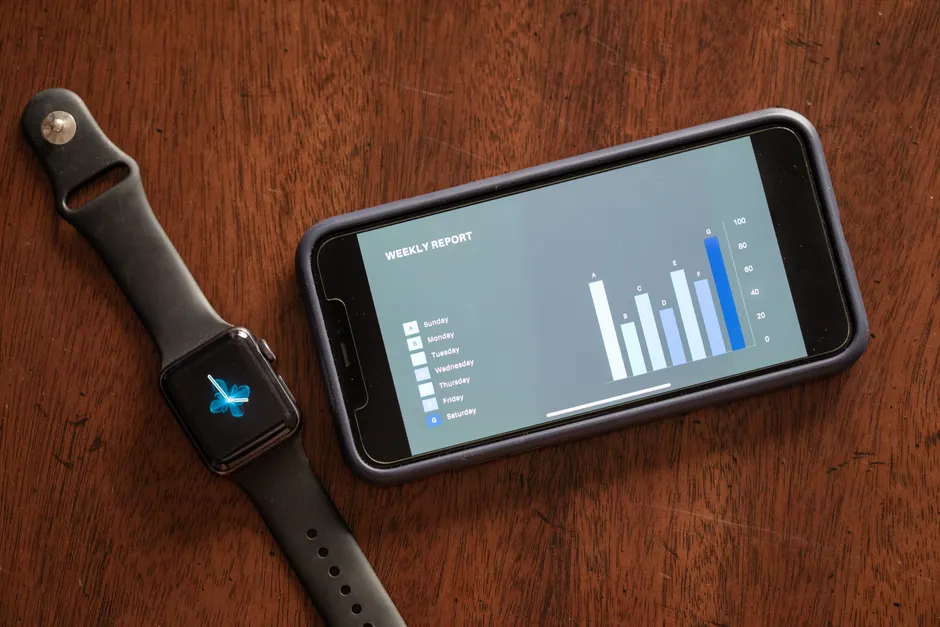
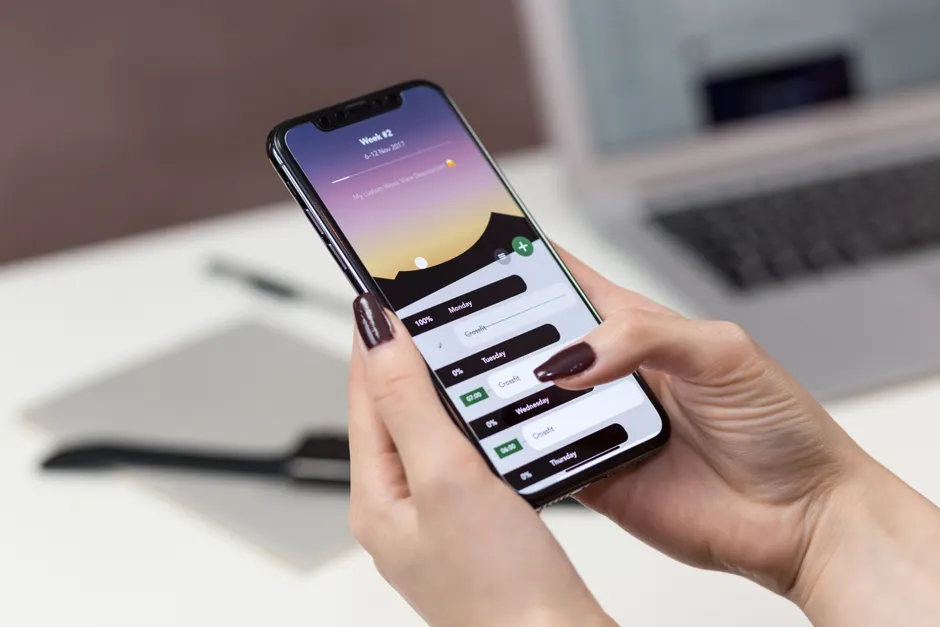
WeWard, a France-based step-tracking app backed by tennis star Venus Williams, has launched a feature called Walking Mode that locks your phone's apps until you reach a daily step goal you set yourself TechCrunch. You choose which apps get blocked—Instagram, games, or anything else you tend to check compulsively—and decide how many steps you need to walk before they unlock. The feature rolled out in early July 2026.
Until now, WeWard worked differently. You logged your steps and earned "Wards," digital currency you could cash out, trade for gift cards, or donate to charity. Walking Mode flips that approach: instead of rewarding you for walking, it uses friction—making you walk before you can use your favorite apps. This puts WeWard closer in spirit to app-blocking tools like Opal or Freedom than to the step-counting fitness platforms it started as.
The company now has 30 million users across 29 countries, with 4 million in the United States. According to WeWard, its platform has increased walking time by roughly 25% among users, and it has paid out $20 million in cash back so far TechCrunch.
WeWard makes money through in-app purchases, affiliate partnerships (when brands pay to be recommended), premium subscriptions, and ads. The company says it does not sell user data to third parties. Co-founder Yves Benchimol told TechCrunch that the company sees minimal time spent in the app as a good sign, not a problem—users spend only a few minutes a day inside WeWard itself TechCrunch.
Most mobile apps fight hard to keep you scrolling and checking them constantly, because the longer you stay in the app, the more ads they can show you. WeWard's stated comfort with users who barely open it, and now its willingness to actively block access to other apps rather than try to keep users inside its own, suggests the company relies less on advertising income from within the app and more on those partnerships and sponsorships layered on top. Whether that business model holds as Walking Mode grows is an open question. App-locking features naturally generate engagement data whether the company planned for that or not, and that data tends to be valuable.
Venus Williams has been involved with WeWard for over a year. She serves as both a brand ambassador and angel investor. In early 2025, she partnered with the company and the nonprofit CARE to turn walking steps into charitable donations. The company ran a month-long campaign called the "Venus Williams Championship" where users unlocked increasing donation levels as they walked more WeWard blog.
The bigger picture: the fitness-app world has spent the last decade chasing user engagement in ways that often resemble the same addictive patterns the apps claim to fight against—leaderboards, winning streaks, achievement badges. Walking Mode is a small but telling shift. Rather than compete for your attention alongside Instagram or Candy Crush, WeWard is positioning itself as a gate you have to pass through. Parents have used app-blocking software on their kids' phones for years with mixed results, often because teenagers find ways around the restrictions faster than parental controls get updated. The real test here is whether adults will stick to the same discipline when they set it for themselves, tied to a walking goal rather than a parent's mandate.
WeWard's bet is clear: locking access to your favorite apps behind a step count will change behavior more reliably than simply offering you cash for walking. The company's own data suggests that incentive model already works—users do walk more. Walking Mode's actual impact on how much people walk day-to-day has not yet been tested or reported by outside sources, so that remains to be proven.