Gold Slips Below $4,000 Again as Rate Talk Returns

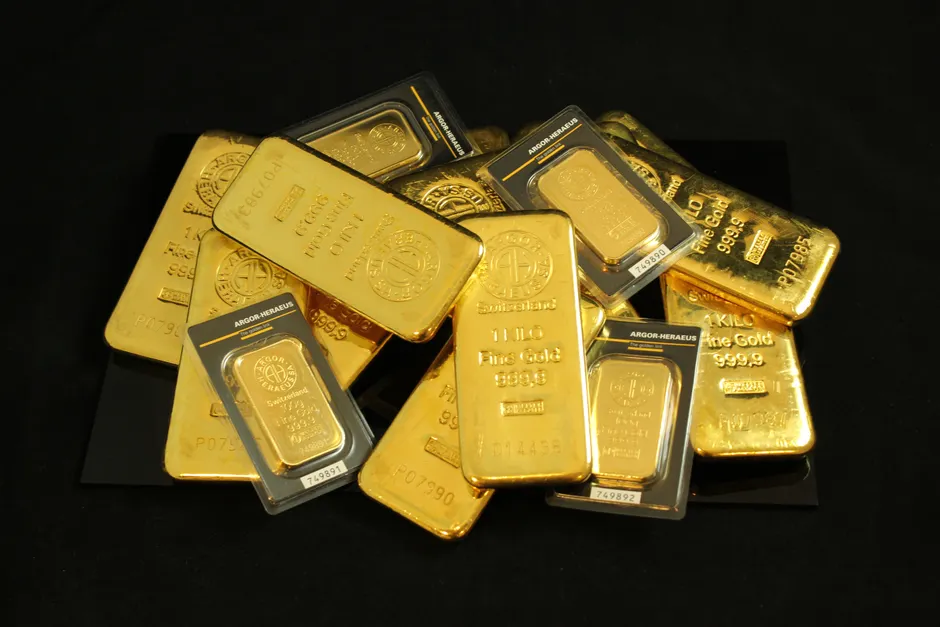
Gold settled below $4,000 per troy ounce, according to The Wall Street Journal, which reported on October 24, 2026. A troy ounce is the standard unit for pricing gold. The metal was hovering around that level and was on track for a weekly loss of nearly 4%. The round number matters more here than the raw move, because gold has tested this line repeatedly since October 2025.
Gold first breached $4,000 in the trading session before October 9, 2025. On October 9 it fell 2% to dip back below the level, Reuters reported. It returned above $4,000 and then slipped below again in June 2026, the first time spot gold (the price for immediate delivery) had traded under that mark since November 2025, according to Reuters. The October 2026 settlement is the latest entry in that sequence.
The earlier episode in late October 2025 had a different driver. Gold slid below $4,000 while extending losses from its worst rout in over a decade, and Bloomberg reported that progress on a U.S.-China trade deal sapped haven demand. Reuters reported spot gold down 2.7% at $4,002.29 per ounce, after touching $3,970.81 earlier in that session. In that period, buyers were treating gold as a geopolitical hedge, an asset held to protect against a specific risk. When the hedge got cheaper, the price fell.
The 2026 move is being framed around interest rates. Federal Reserve Governor Christopher Waller said policymakers may need to raise interest rates. Gold pays no yield, meaning it generates no income as a share of its price, so the opportunity cost of holding it rises when interest-bearing assets offer higher returns. Opportunity cost is what you give up by choosing one option over another. A rate hike, or even the expectation of one, makes cash and bonds more competitive with bullion, and that competition tends to weigh on the price.
Two points temper how much weight to put on that link. A single governor's remark is not a policy decision, and the path of rates depends on data that has not yet arrived. The rate story is also one of several plausible explanations for the drop. Forecasts that gold will consolidate near $4,000, which is the kind of call a headline can imply, are opinion, not measurement.
In my view, the more useful observation is the pattern. Gold has now crossed $4,000 in both directions several times within about a year, with the reasons shifting from trade-driven haven unwinding in 2025 to rate expectations in 2026. A level that keeps getting tested tends to attract traders watching for support, a price where buyers tend to step in. Each failed defense makes the next test more closely watched. Whether $4,000 holds as support or becomes resistance, a level where sellers tend to appear, will depend on the rate outlook as much as on any sentiment about the metal itself.
For savers and investors who hold bullion or gold-linked products, the practical lesson is about how the instrument is built rather than any forecast. Gold's price is its only return source in the short run, so a nearly 4% weekly decline is a direct hit to value, with no coupon or dividend to offset it. Anyone considering exposure should weigh that against the reasons they hold the metal in the first place, such as hedging, diversification, or a store of value. This is an account of where the price stands and what has driven it, not a recommendation to buy or sell.