PC Shipments Fall for First Time in Two Years as Memory Prices Spike

PC Shipments Fall for First Time in Two Years as Memory Prices Spike
Global PC shipments dropped to 68.2 million units in the second quarter of 2026, down nearly five percent, according to IDC. This marks the first quarterly decline after nine consecutive quarters of growth, and the culprit is a shortage of computer memory driven by AI infrastructure demand.
To understand the shift: Q2 2025 saw 68.4 million units, up 6.5% from the year before. The following quarter climbed further to 75.8 million units, a 9.4% increase. Early 2026 continued the trend, with Gartner tracking 62.8 million units in Q1, up 4% year-over-year. That growth streak has now ended, at least in IDC's numbers.
Here's what complicates the story: even though fewer PCs are shipping, PC makers are not making less money. Manufacturers are raising prices fast enough to offset lost volume — they're passing memory and storage cost increases directly to consumers. IDC notes that vendor revenues continue to climb even as unit shipments shrink, and researchers expect further price hikes through 2027.
How the shortage built up
The memory crunch did not arrive overnight. In February, IDC flagged that PC makers were racing to ship machines in Q1 2026 specifically to beat steeper price increases on memory and storage components. That rush explains why Q1 2026 still showed growth on paper even though the underlying supply situation was already tightening.
By June, IDC had substantially revised its outlook. The firm now projects 2026 global PC shipments will fall 11.3% for the full year, with the memory shortage persisting through 2027. A week later, when IDC expanded its forecast to include tablets alongside traditional PCs, the picture darkened further: an 8.9% drop expected for Q2 2026 and a 10.4% decline for the full year.
Gartner reached similar conclusions through independent analysis. In February, the firm forecast that rising memory costs would cut global PC shipments 10.4% and smartphone shipments 8.4% across all of 2026. When two separate research companies arrive at comparable double-digit decline figures months apart using different methods, the forecast carries real weight.
Why memory is scarce right now
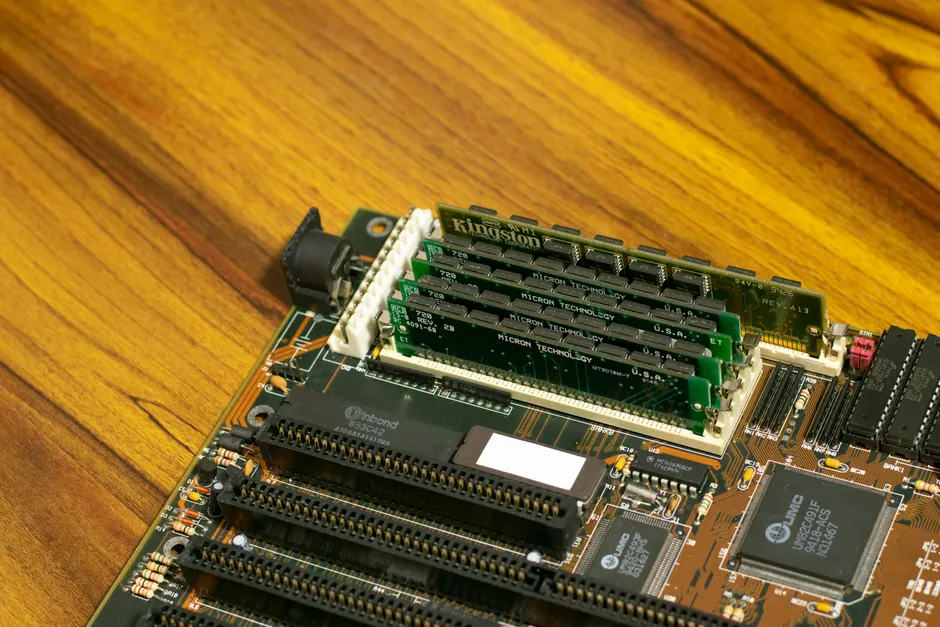
The root cause is demand from AI. Computer memory fabs — the factories that make RAM and flash storage — are diverting capacity toward the high-performance memory and enterprise-grade storage that AI systems require. That leaves less commodity memory available for consumer PCs and phones, tightening supply and driving up prices. This dynamic has been visible in component pricing for over a year.
Vendors raising prices while volumes contract is not new. The GPU shortage of 2021 and the automotive chip crunch both followed a similar pattern: fewer units shipped, but higher average selling prices kept revenue climbing. The difference this time, in my view, is the timeline. IDC and Gartner both now point to a shortage stretching into 2027 or 2028, rather than the year-long disruptions we saw before. That is long enough to reshape how large companies plan hardware purchases — enterprise IT departments typically budget for equipment three to five years in advance.
One thing worth noting: the research landscape itself has shifted. Canalys, one of the three major PC-tracking firms alongside IDC and Gartner, now publishes under the Omdia brand. Omdia's Q2 2025 count of 67.6 million units, up 7.4%, closely matches IDC's figure for the same quarter, suggesting the rebrand has not altered how the data is collected or counted. Still, anyone tracking historical PC shipment numbers should note the name change when comparing older Canalys reports to current Omdia data.
For IT departments and equipment makers, the practical problem is timing. If vendors expect further price increases into 2027, there is pressure to order hardware now rather than wait — which could itself add demand on top of already tight memory supplies. Whether that eases or worsens the shortage over the next few quarters depends heavily on how fast memory fabs can shift capacity away from AI infrastructure back to consumer-grade products. On the current timeline, that rebalancing is not expected before 2028.