US Resumes Strikes on Iran as Ceasefire Collapses
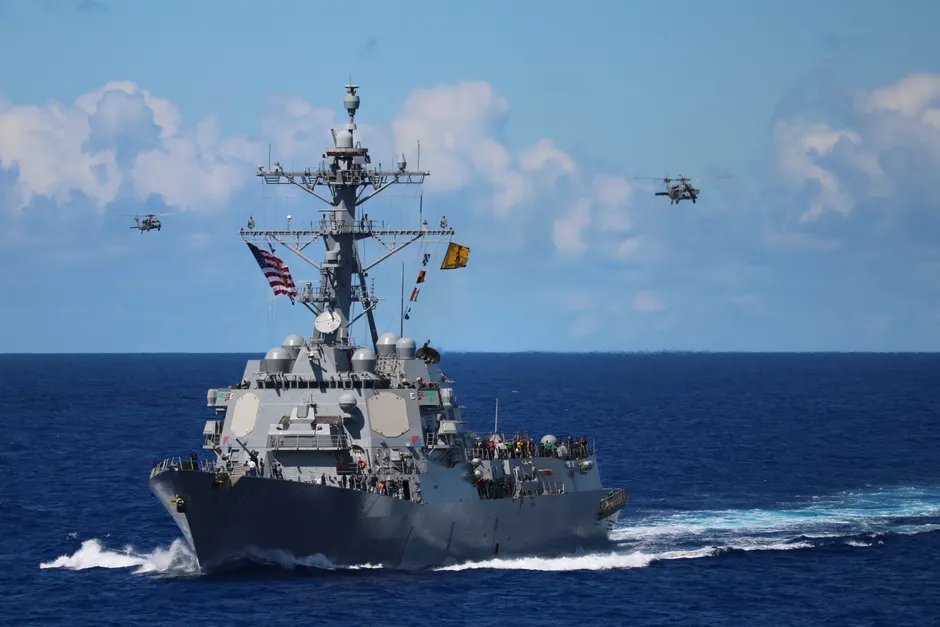
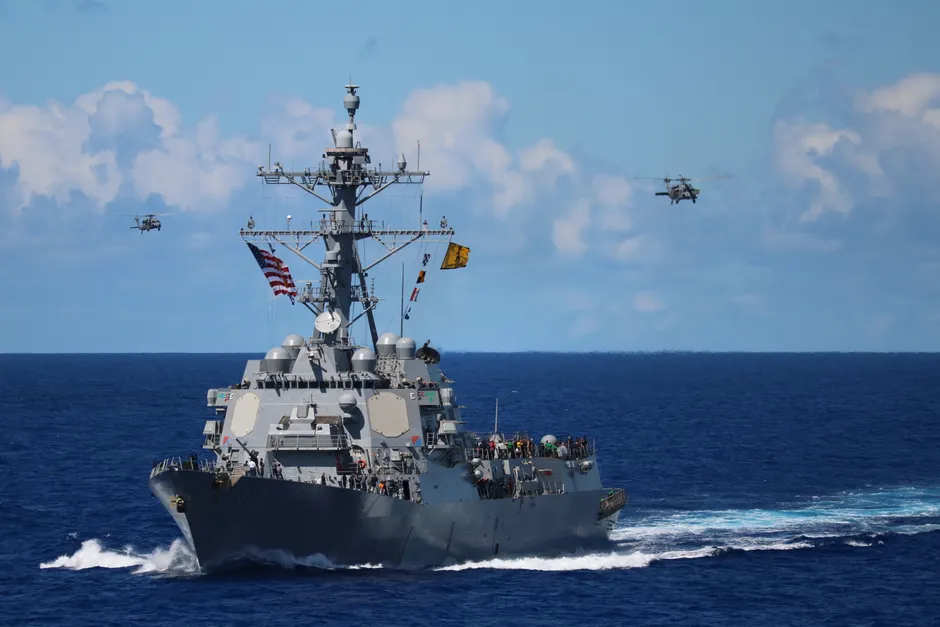
The United States has resumed direct military action against Iran. On July 8, 2026, US Central Command confirmed that its forces had "started conducting additional strikes against Iran at the direction of the Commander in Chief." This announcement followed roughly 24 hours of sustained bombardment: on July 7, US forces struck more than 80 Iranian targets around the Strait of Hormuz, which CENTCOM described as "retaliatory" strikes hitting "over 80 targets with precision." The Guardian CENTCOM
Washington framed these strikes as a response to Iranian attacks on three commercial vessels on July 7 and as an effort to degrade Iran's capacity to threaten shipping through the Strait of Hormuz — a chokepoint carrying roughly one-fifth of global oil consumption. The US military said the action was meant to hold Tehran accountable for what it called unjustified aggression against commercial shipping and civilian crews.
Alongside the strikes, the Trump administration revoked a temporary sanctions waiver that had permitted Iran to export oil. This move strips away economic relief that had given Tehran limited breathing room during the preceding ceasefire period and signals that Washington intends to apply both military and economic pressure simultaneously rather than using sanctions as an alternative to strikes.
Speaking at the NATO summit in Ankara, President Trump declared that the ceasefire with Iran was over. He told reporters the interim agreement to end the war was finished — remarks made from the summit floor itself, embedding a major escalation announcement within a gathering ostensibly focused on alliance business. This juxtaposition matters: NATO officials are now weighing how a widening Gulf conflict might affect US commitments to the alliance and what role allied support might play in this renewed confrontation.
Iranian state media reported fragmented accounts of the aftermath. IRNA reported power cuts in Chabahar following reports of explosions in the area, while Mehr news agency said explosions were heard near Konarak and Chabahar. Other Iranian reporting indicated air defenses were engaging "hostile targets" near Bandar Abbas, one of Iran's principal naval installations on the Hormuz coastline. The Guardian The geographic spread — from Chabahar in the southeast to Bandar Abbas further west — suggests the strike package targeted multiple nodes of Iran's coastal defense and surveillance architecture. None of these reports have been independently corroborated with battle-damage assessments.
Nournews, citing a military source, said Iranian armed forces would launch a "massive" attack on US bases in the region shortly. If executed, such retaliation would test the posture of US forces at facilities across the Gulf states that have historically drawn Iranian responses during periods of direct confrontation.
This exchange sits atop a broader campaign building over weeks. CENTCOM's June 9 press release described strikes "in response to Iran's attack on Apache" that targeted Iranian air defense, ground control stations, and surveillance radar sites near the Strait of Hormuz. A follow-on release the next day described further strikes on Iranian military surveillance capabilities, communication systems, and air defense sites across the country. This sequence suggests a systematic effort to degrade Iran's integrated coastal detection and command network — a campaign logic consistent with dismantling air defenses before more sustained operations. Separately, the Pentagon documented the use of 30,000-pound GBU-57 "massive ordnance penetrator" bombs against Iran's Fordow Fuel Enrichment Plant, indicating this confrontation has already reached into Iran's nuclear infrastructure, not merely its conventional naval assets. Defense.gov
What marks this phase as distinct from earlier rounds is the explicit collapse of the ceasefire framework combined with the revocation of oil export relief. For a regime already absorbing strikes on air defense, surveillance, and nuclear infrastructure, the loss of both sanctions relief and military initiative narrows the available options. This combination may explain the urgency in Tehran's threatened retaliation.
The venue of Trump's announcement carries significance. By declaring the ceasefire dead from a NATO summit stage, he linked a bilateral US-Iran confrontation to the alliance's broader deliberations. Allied governments must now consider how a widening Gulf conflict might draw on shared logistics, basing, or political cover. Whether Ankara's communiqué addresses the strikes, and how NATO capitals respond in the coming days, will signal whether this remains a unilateral American campaign or acquires broader coalition characteristics.