Escalating US-Iran Strikes Unravel a Three-Week-Old Deal

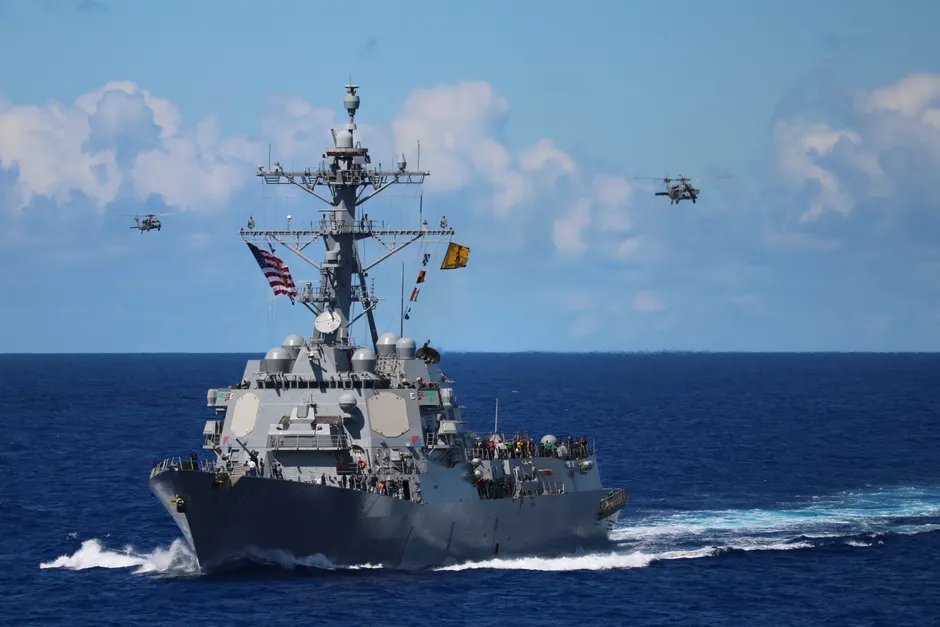
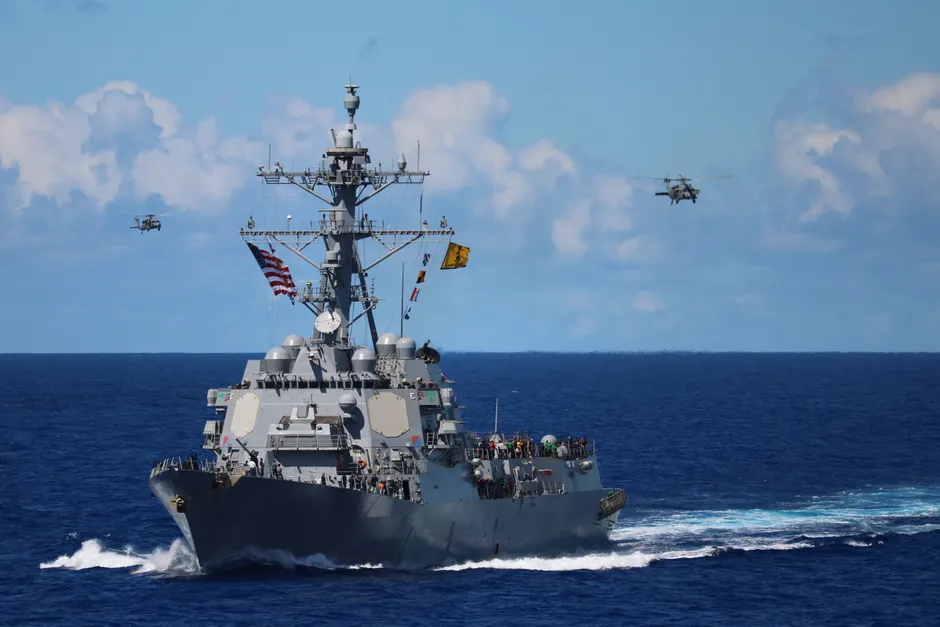
US Central Command announced on July 9, 2026 that it had struck 170 Iranian targets over the preceding 48 hours—the largest tally yet in a bombing campaign that has grown dramatically since late June. The Guardian reported this figure alongside Iranian retaliatory strikes against US bases in Bahrain, Kuwait, and Qatar.
On the same day, Donald Trump declared at a NATO summit in Turkey that the memorandum of understanding with Iran was now "over." Just three weeks earlier, the White House had released a statement titled "President Trump's Iran Agreement Is America First in Action," framing it as a diplomatic achievement that protected US interests through negotiated terms. Trump's comment effectively abandons this framework.
Centcom's public releases trace the campaign's progression. On July 7, a press release titled "U.S. Forces Complete New Round of Retaliatory Strikes Against Iran" reported more than 80 targets hit and used the phrase "offensive strikes"—a subtle shift from the retaliatory language in the release's own title. The next release, "U.S. Forces Complete Another Round of Strikes Against Iran," brought the total to 170 targets. A discrepancy in timestamps between Centcom's homepage and its public-releases page complicates the precise timeline from publicly available sources.
Iran's health ministry reported through official Hossein Kermanpour that 14 people were killed and 78 injured in the US strikes. Iran's military responded by targeting a Patriot missile battery in Kuwait, an early-warning radar site in Qatar, and fuel storage at US bases in Bahrain—where the US Navy's 5th Fleet is headquartered, giving those strikes operational significance beyond their immediate physical impact.
Centcom has justified the campaign as necessary to degrade Iran's ability to threaten shipping through the Strait of Hormuz—a critical chokepoint for global oil trade. Iran's top negotiator, Mohammad Baqer Qalibaf, directly contradicted this rationale, stating that the Strait would remain under Iranian control and would reopen only on Iranian terms. Separately, Reuters reported on July 8 that Washington revoked a license permitting Iran to sell oil, tightening economic pressure alongside military action.
This escalation did not begin in July. An AP report covered by PBS NewsHour documented an earlier cycle in late June in which Iran launched drone and missile attacks on Bahrain and Kuwait, then threatened to abandon diplomatic talks. The pattern—US strikes followed by Iranian retaliation and threats to walk away from negotiations—has now repeated at least twice in roughly two weeks.
The timing compounds the instability. Iran is observing multi-day funeral ceremonies for Ali Khamenei, its supreme leader, whose burial is planned for Mashhad. A leadership transition overlapping with an intensifying military campaign introduces domestic uncertainty in Tehran that outside observers cannot easily measure.
The core disagreement between Washington and Tehran appears irreconcilable through force alone. Centcom frames the strikes as restoring safe passage through the Strait. Qalibaf frames Iranian control of Hormuz as non-negotiable. Each round of bombing has prompted retaliation rather than concession, suggesting the current approach may not achieve its stated objective. The collapse of the memorandum removes whatever diplomatic structure existed as recently as three weeks ago. Whether Trump's comment foreclosed negotiation entirely or simply reflected frustration at Iran's commitment level remains unclear from the public record. What is certain is that both sides now operate without a framework either had recently cited as progress, while casualty figures on the Iranian side rise with each cycle.