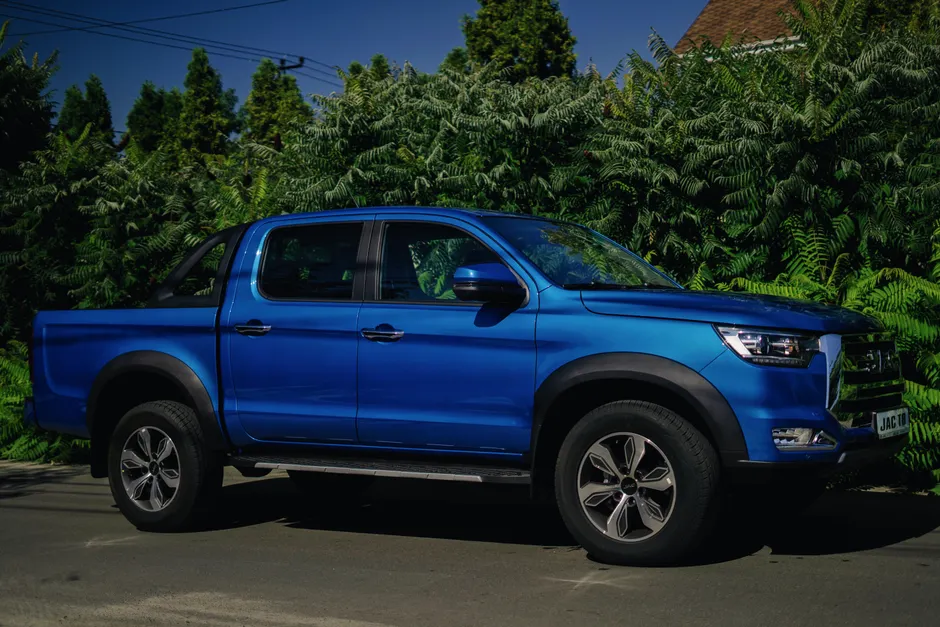
Ford prices its Fathom home-power chargers at $650 and $2,100
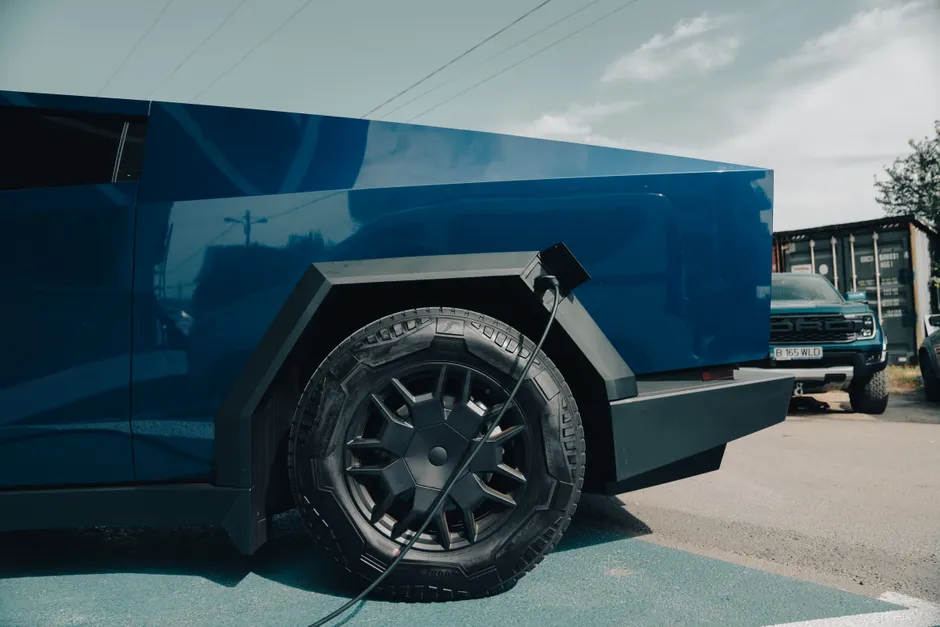
Ford has announced two new EV chargers that will let its forthcoming Fathom electric pickup send power to a house or back to the grid. The announcement, made on October 27, 2026, puts prices on the home-power hardware alongside the truck.
According to TechCrunch, Ford's Home Power Station costs around $650, about 50% less than the company's first-generation bidirectional charger. Bidirectional charging lets a vehicle's battery discharge into a home, not only draw power from the grid. The Home Backup Power package bundles the Home Power Station with the Home Backup Panel and costs around $2,100, roughly 60% less than the first-generation product. Ford said the Fathom will be capable of delivering over 10 kW to a home. Both new chargers will also let Fathom customers join virtual power plants, in which aggregated distributed batteries respond to grid signals.
The truck starts at $28,350, according to Ford. That starting MSRP applies to the standard-range battery configuration. Ford describes the Fathom as an all-new midsize electric truck. Pre-orders for the Fathom will begin in early 2027, so neither the vehicle nor its chargers are on sale yet.
This is a plan rather than a delivery. The chargers and the truck have not reached customers, and the figures above are Ford's stated prices, not transaction prices.
The broader context here is the cost of bidirectional charging. So far, vehicle-to-home capability has mostly appeared in higher-priced vehicles and in separately purchased hardware, which limited who could consider it as a backup power source. A charger at roughly half the previous price, paired with a truck starting near $28,000, changes the math for a household weighing an EV against a standby generator or a home battery. The pricing does not settle installation requirements, utility interconnection rules, or how much grid-service revenue virtual power plant enrollment will return.
In my view, the more important question is whether these prices hold once the product ships. Bidirectional hardware has repeatedly arrived with headline prices that did not survive installation labor, permitting and certification. If the $650 and $2,100 figures hold through launch, the Fathom would give far more owners a practical route to whole-home backup and grid participation than the category has offered so far. That would change how EV batteries get used, even if the early numbers prove optimistic.