Amazon's Alexa Photo Frame Puts Your Cloud Photos on the Wall

Amazon has launched the Alexa Photo Frame, a digital picture frame with a built-in smart speaker that responds to Alexa Plus voice commands. Alexa Plus is Amazon's AI-based upgrade to its assistant. The company announced the device on 28 October 2026, and its devices news page carries the announcement. The Verge published a hands-on account the same day.
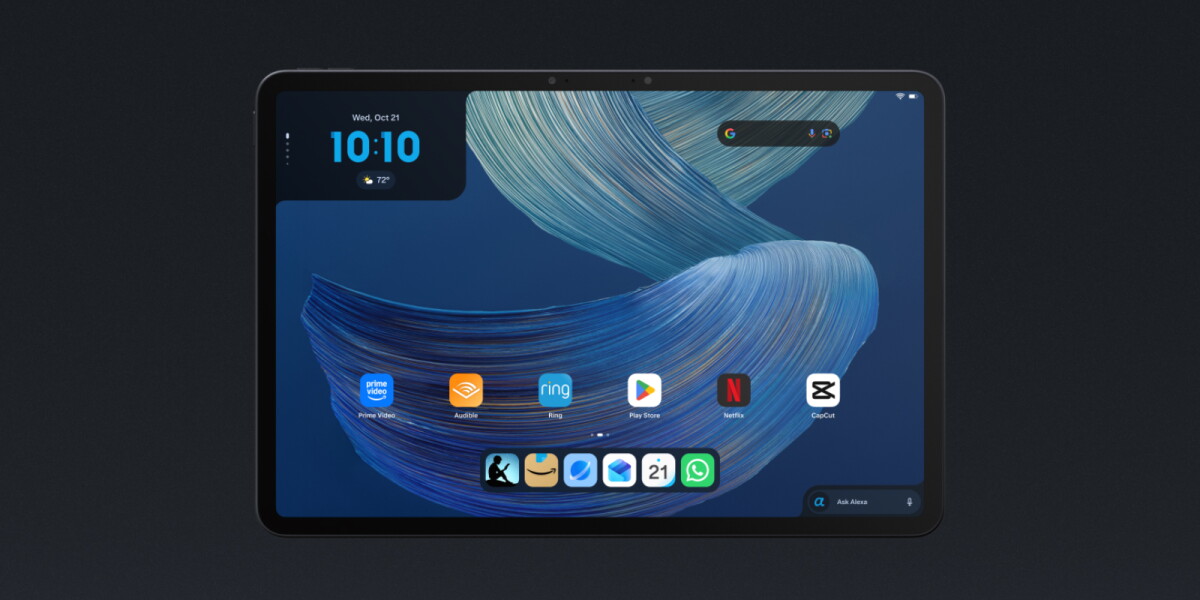
The frame has a 10-inch touchscreen with a semi-matte, anti-glare finish. A light sensor adjusts brightness automatically, and the unit sits on a detachable stand. It costs $199.99 in black, or $229 with birch or walnut wood frames.
The frame draws its images from Amazon Photos and requires no subscription. Amazon Photos offers unlimited storage to Prime members. The Amazon Photos app backs up photos from Android and Apple devices and can import from iCloud Photos. Google Photos import is not supported, so users with libraries in Google's service must first move their images into Amazon's ecosystem.
Curation works in two modes. Users can choose specific people or albums in Amazon Photos, or let Alexa Plus select what appears. Alexa Plus picks images based on lighting, smiling subjects and season, and it skips receipts and screenshots. The frame can also place visually similar photos side by side, such as a child photographed a decade apart in a similar pose. Voice requests use the same retrieval logic, so a user can ask for a specific image, such as last summer's beach trip.
Voice notes attached to images in the Amazon Photos app play through the frame. Amazon says recording voice notes directly on the frame will arrive later, so that option is not yet available. Buyers who purchase the frame as a gift through Amazon can preload photos or albums with voice notes, and the notes play once the recipient completes setup.
Amazon positions the frame against its existing screen hardware. Unlike Echo Show devices, the frame only displays photos and never serves ads. Amazon's help documentation describes a related path on Echo devices with screens. Alexa Plus owners can say "Start Photo Frame" or select it from the Menu icon, and photo display is configured under Display & Appearance, then Photo Display. Amazon also states that its Amazon Photos with Alexa offering can turn an Echo Show into a digital photo frame, with slideshows, photo sharing, photo-taking features and unlimited cloud photo storage.
In my view, the ad-free design and the absence of a subscription are the two terms that will matter most to buyers weighing this device against a general-purpose display. The frame's usefulness is also tied to Amazon Photos, so the Google Photos gap is a practical constraint rather than a footnote.
The broader context here is that the device moves a pile of phone snapshots onto a wall where a household sees them daily, without anyone opening an app. A feature that surfaces a child's old photo beside a new one, or a voice request that brings back a summer trip, is modest on paper. For families with years of images scattered across devices, it may turn out to be the part of the product that gets used most.