China's Factory Fire in Fujian: What We Know and What's Still Unclear
A fire swept through a shoe factory in Jinjiang, a manufacturing hub in China's southeastern Fujian province, around noon local time on Thursday, killing workers in what state media described as major casualties Reuters. The exact death toll has not been released.
President Xi Jinping issued a public statement on the incident, telling officials that the blaze had caused heavy human losses, according to the State Council's official website gov.cn. The statement appeared even before mainstream English-language news coverage broke. What stands out is that Xi's language — "heavy losses" — has not been paired with any official death count in any of the sources available, a notable gap given how quickly Chinese state media typically moves to shape the story around industrial disasters.
Video footage from state broadcasters showed at least a dozen workers trapped on the factory's roof as fire spread below, according to The New York Times. The footage fits a broader pattern in China's manufacturing sector: factories where workers have limited escape routes once a fire takes hold — often because older buildings have been modified or expanded without matching upgrades to fire suppression systems and emergency exits.
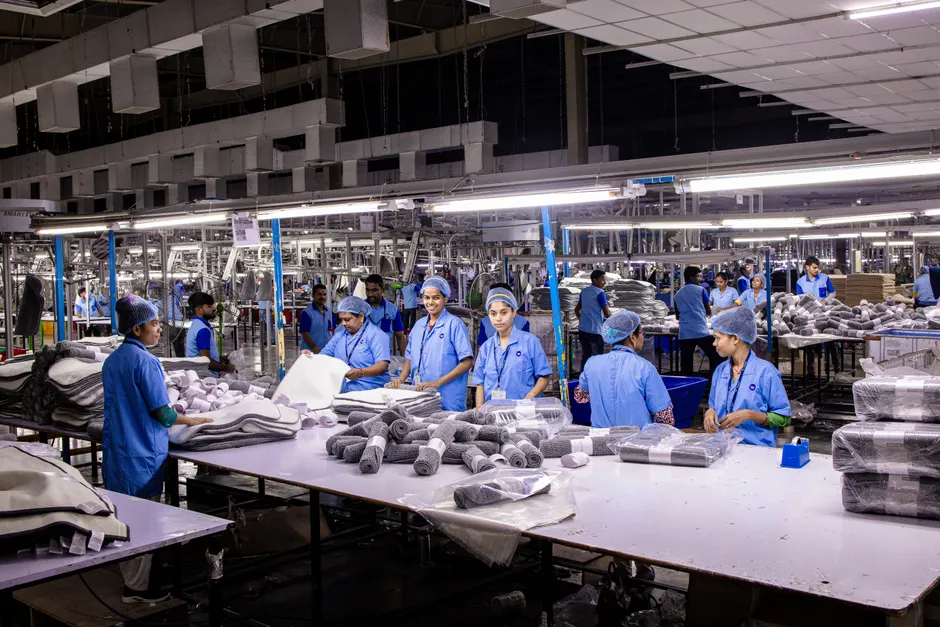
Jinjiang is the heart of China's footwear and sporting-goods manufacturing. It hosts major Chinese brands and a web of smaller factories that supply global apparel companies. Over the past two decades, its industrial base has grown rapidly, with many production facilities occupying buildings that have been converted or added onto without full updates to fire safety standards. Regulators have flagged these gaps before. Yet neither the State Council report nor news coverage has identified the specific factory, its owner, or what caused the fire.
The fact that Xi issued instructions through the party-state system rather than waiting for a provincial report suggests Beijing views this as a matter for top-level decision-makers, not merely a local industrial safety problem The Star. This approach mirrors how the central government has handled other mass-casualty workplace incidents in recent years: rapid public acknowledgment paired with directives to local officials on rescue, investigation, and accountability — even where the actual death toll remains unstated in early reports.
The lack of a confirmed casualty figure so quickly is itself worth examining. Reuters and NBC News both frame the toll as "major casualties" without a number NBC News. In China's information system, initial death counts released by state channels sometimes shift upward as rescue and identification work proceeds, and sometimes are delayed while investigators determine who bears responsibility — a process that can stretch over days or weeks and typically ends with a State Council-led safety inquiry, disciplinary measures against local officials, and compensation announcements.
Large industrial fires in China typically follow a predictable sequence: immediate rescue and firefighting, a signal from top leadership that the matter is serious, then a broader safety-inspection drive targeting similar factories across the province or industry. Whether this fire leads to inspections of Jinjiang's footwear plants, or of roof-access and exit standards more broadly, will be a key signal in the weeks ahead. For now, the confirmed facts are these: a fire, an unconfirmed but described-as-severe casualty count, workers seen stranded on a rooftop, and a president's public acknowledgment of loss — with the fuller picture still developing.