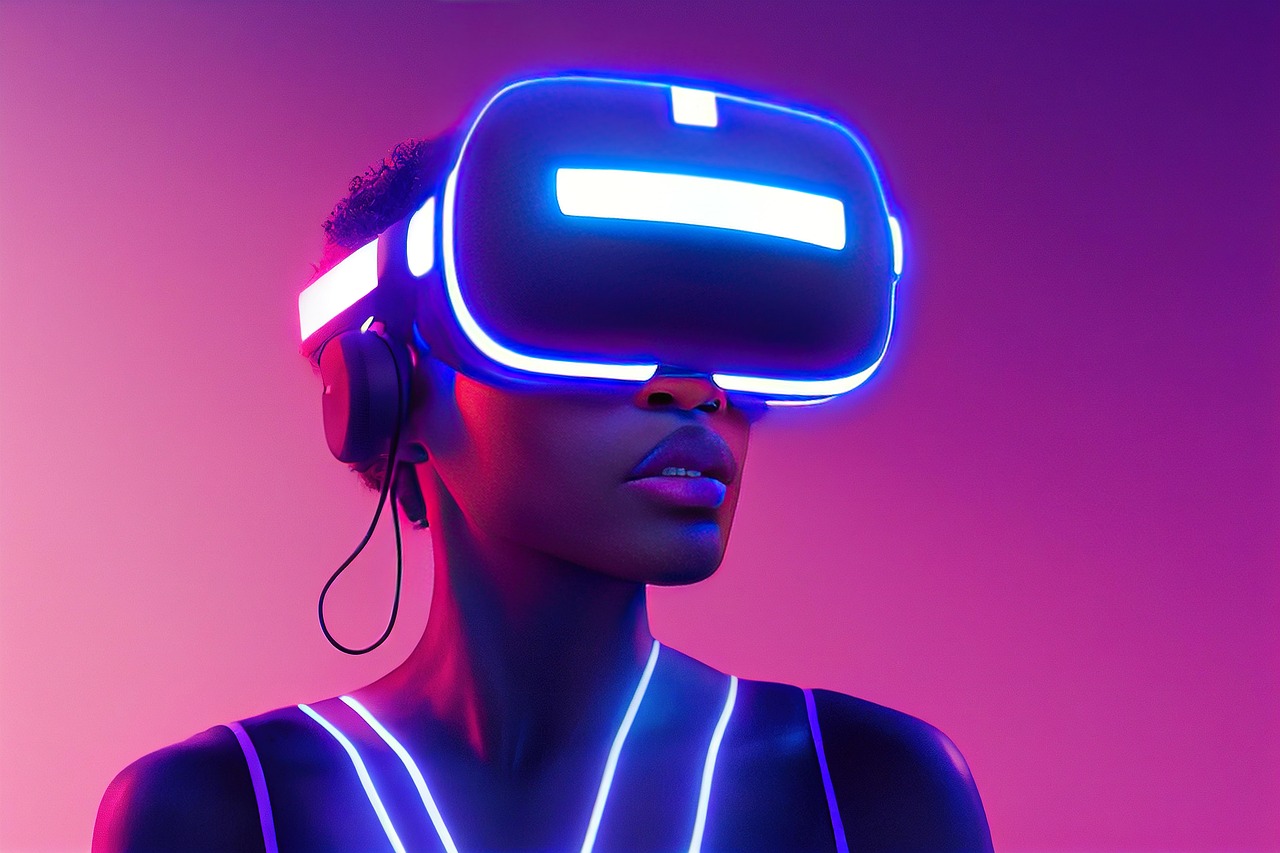
Xreal Aura Launches as Wired Android XR Glasses With a Separate Processing Puck
Xreal has launched the Xreal Aura, a wired pair of smart glasses running Android XR, and opened orders in the United States, Canada, Japan and South Korea. TechCrunch reported the launch on October 28, 2026, and said the company expects units to start shipping by mid-November.
Two configurations are offered. The 12GB + 256GB model costs $1,279, with a limited launch price of $1,099 through December. The 16GB + 512GB model is priced at $1,499, with a launch price of $1,299 through December.
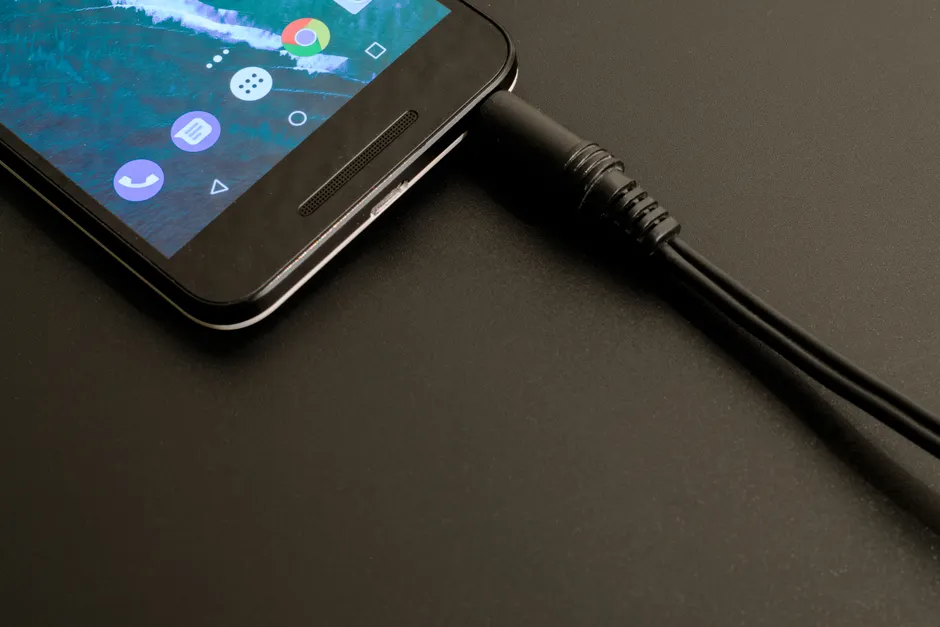
The glasses use Qualcomm's Snapdragon Reality Elite platform and a Sony Micro-OLED display, a small, high-density panel placed close to the eye. It is rated at 1200p resolution and a 120Hz refresh rate, meaning the image updates 120 times per second. The field of view is 95 degrees, the horizontal width of the image the wearer sees. The frames weigh 95 grams. The glasses are tethered to a smartphone-like device for processing power, and the design also requires carrying a puck. Audio is built on Bose technology, and Gemini serves as the Q&A assistant.
The Aura can also work as an augmented display. Connected over USB-C to a computer or a handheld gaming console, it presents a display surface in the wearer's field of view. That gives the device a second use case beyond the Android XR software experience.
The product has a longer public history than this launch. Xreal and Google showcased Project Aura at Google I/O in May 2026 and confirmed a global launch in 2026. Xreal described the device as built in close collaboration with Google and Qualcomm. Xreal's earlier Project Aura announcement called it the company's first tethered XR glasses built with Google for Android XR, and listed the X1S chip among its components. Reservations opened in June 2026, according to a Google post from the AWE event. Google has described Project Aura as the first Android XR device in its category, and it has previously called Galaxy XR the first Android XR headset. In September, Google's Android Enterprise update listed the Aura wired glasses among next-generation manageable XR devices for workforce use.
The device's compute sits off the face. In my view, the tether is the design decision that will define how buyers evaluate the Aura. A 95-gram frame is light for a device with a 95-degree field of view and a Micro-OLED panel, and that weight is the reason the processing moved elsewhere. The cost is a second object to carry and a cable to manage, a trade that standalone headsets avoid and that suits some users more than others. The USB-C display mode points to the same split: it makes the glasses useful to people who already own a laptop or a handheld console, and it gives them a reason to wear the glasses at a desk.
The broader context here is that Android XR now spans a headset and a glasses-format device, both built with Google's platform. The software layer carries Gemini as an assistant, and the enterprise listing suggests Google sees a workforce use case alongside the consumer one. Whether the wired architecture stays a niche choice or becomes a template for lighter XR hardware will depend on what the first buyers do with the device once the launch pricing ends in December and the units begin arriving in mid-November.